Housing pressure is turning into political fuel in Greece, and the ruling New Democracy is increasingly responding by sounding more like the far right it fears losing voters to.
Greece housing squeeze shifts New Democracy right

That matters because the country’s affordability shock is no longer just an economic problem; it is now shaping rhetoric, polling and the balance of power inside the government. As rents and home prices have surged since 2019, the housing squeeze is deepening household stress, especially in Athens and Thessaloniki, while the absence of a mass protest movement gives the government room to harden its line rather than absorb pressure through policy relief.
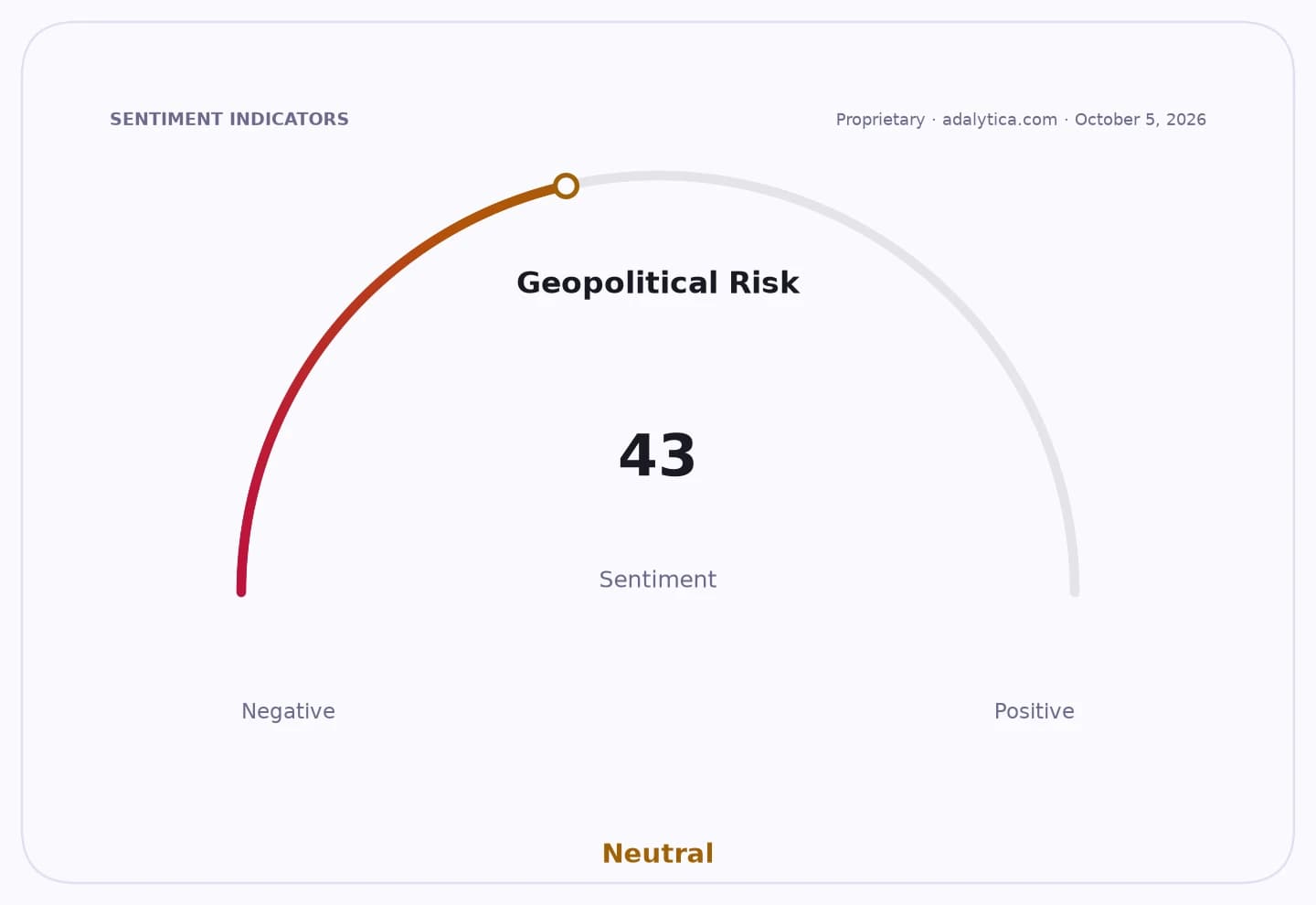
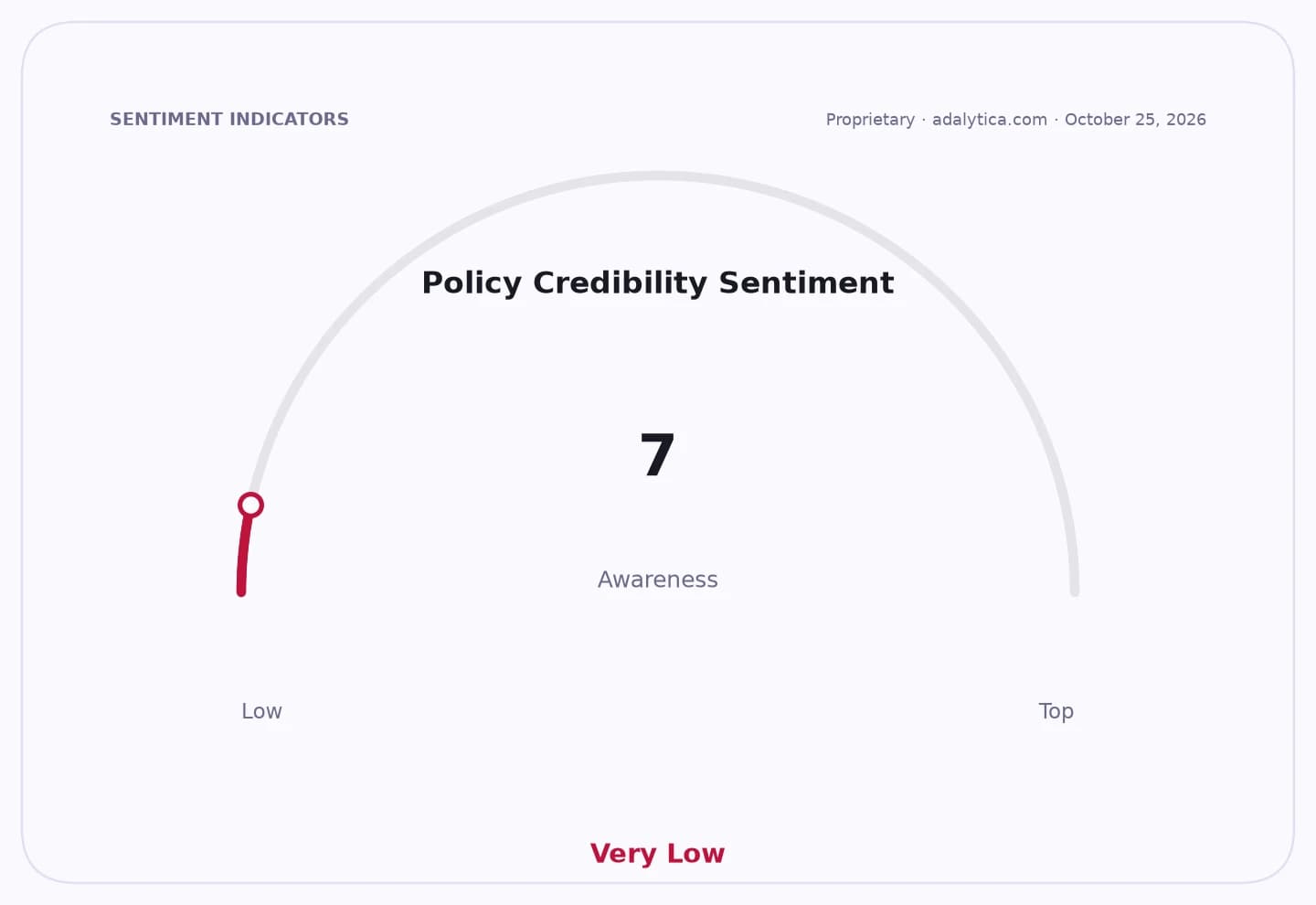
Sentiment IndicatorsⓘProprietary · adalytica.com · October 23, 2026
This is a snapshot — live sentiment, awareness and momentum for 130+ markets update continuously in the dashboard.Open AlphaPulse
The clearest warning for investors and policymakers is that housing distress is becoming a political accelerant across Europe. The Greek case now mirrors what has happened elsewhere: when families spend too much on shelter, anger finds an outlet in the ballot box. In Greece, that outlet is increasingly the right of New Democracy, where ministers including Michalis Chrysochoidis have adopted tougher language on migrants living in apartments and on the policing of public spaces.
That turn is not happening in a vacuum. Polls show a new far-right formation backed by jailed Golden Dawn figure Ilias Kasidiaris, the “Alliance of Greeks,” hovering around 3.5% to 4.2% and potentially entering parliament. At the same time, former prime minister Antonis Samaras is expected to launch his own party, threatening to pull more votes from New Democracy’s right flank. Prime Minister Kyriakos Mitsotakis has set 25% as a floor for his party, warning he could resign as leader if support falls below that level.
For markets, the relevance is less about immediate policy changes than about the durability of Greece’s political center. A government that feels squeezed from the right is more likely to lean into security and migration themes than into housing relief, even as the affordability crunch worsens. That makes a serious supply-side response to the housing shortage less likely in the near term, which prolongs the pressure on households and keeps social tensions alive.
The underlying numbers explain why the issue is so combustible. According to the article, housing costs absorb the largest share of monthly income in Europe in Greece, with 29% of households spending more than 40% of income on shelter. Rent has risen by a weighted average of 24% to 38% since 2019, and in some areas much more. Sale prices are up more than 30% on average, with some expensive districts of Athens and Thessaloniki seeing prices double.
That is the kind of squeeze that eventually becomes macroeconomically relevant. When younger Greeks cannot afford to rent, buy, or even register for university because of living costs, domestic demand weakens, labor mobility suffers and the economy risks becoming less dynamic. Yet the political response has been muted. Unlike Spain, where housing protests helped propel the issue into the center of national politics, Greece has seen only limited demonstrations from student groups and tenant associations.
The market takeaway is that the housing crisis in Greece is not merely a social story. It is a regime-risk story, a policy story and a capital-flows story all at once. If the government continues to chase right-wing voters rather than address supply, affordability and tenant protection, the shortage gets worse, the political center erodes and the country’s reform path becomes more fragile.
Investors should watch for two second-order effects: more anti-migrant rhetoric and tighter political scrutiny on urban property markets, and a growing chance that the housing crisis becomes a central issue in any future election cycle. The opportunity is not in betting on immediate policy relief. It is in recognizing that the affordability shock is now a structural force reshaping Greek politics — and likely to keep doing so until housing supply catches up.
| Entity | Gains | Losses |
|---|---|---|
| New Democracy right flank | ▲Tighter voter retention | ▼Centrist credibility |
| Far-right parties | ▲More protest votes | ▼Political isolation |
| Greek tenants and young households | ▲Potential future attention | ▼Higher rents and prices |
| Property owners and landlords | ▲Elevated asset values | ▼Risk of regulatory backlash |