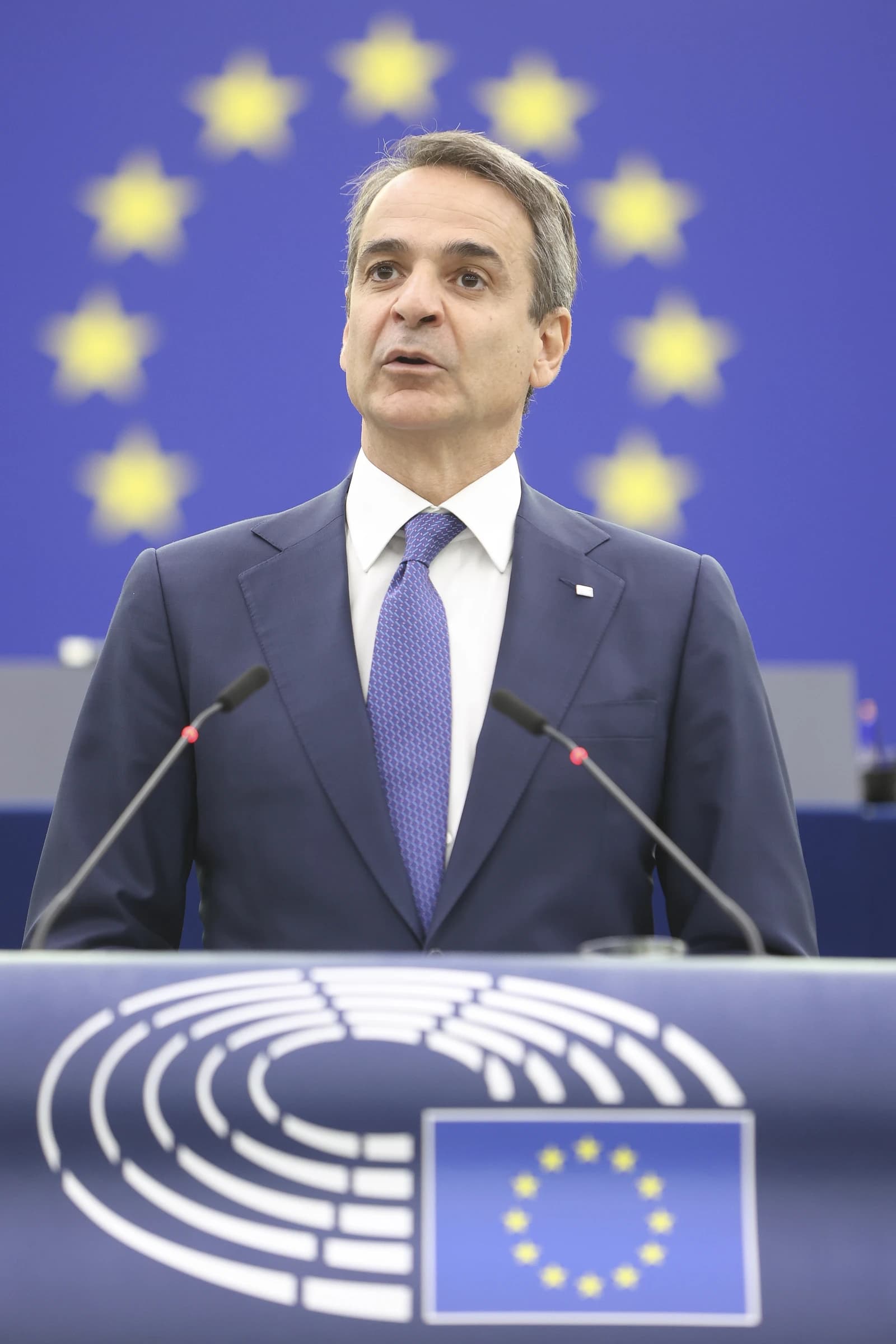
Greece’s government is drawing fire for adopting harder-right rhetoric on migration and crime, a shift that critics say risks legitimizing the far right and sharpening political polarization just as Prime Minister Kyriakos Mitsotakis faces pressure to stop voters leaking to nationalist challengers.
Greece migration rhetoric raises political risk concerns

That matters because the language now coming from senior ministers is not just a campaign tactic: it can shape policy, inflame social tensions and make it harder for Athens to balance immigration control with labor-market needs and rule-of-law concerns.
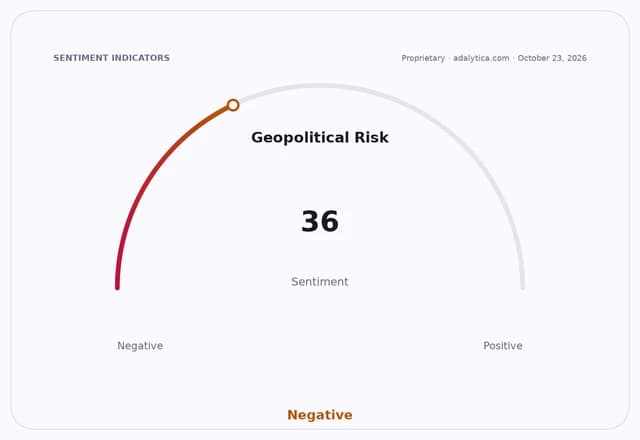
Sentiment IndicatorsⓘProprietary · adalytica.com · October 23, 2026
This is a snapshot — live sentiment, awareness and momentum for 130+ markets update continuously in the dashboard.Open AlphaPulse
Interior-style messaging from Public Order Minister Michalis Chrysochoidis has been at the center of the backlash. In televised comments, he described migrants in central Athens as “criminal-generating,” said some Roma “have crime as a profession,” and vowed that authorities would target shared apartments used by migrants, telling viewers the state would organize operations to “throw them out.”
The rhetoric echoes the very far-right framing the government says it opposes. Critics in Greece say the message borrows from the language of the now-banned Golden Dawn movement, while also normalizing anti-immigrant stereotypes at a time when public anxiety over crime, housing and urban disorder is already high.
The political stakes widened further after senior New Democracy figures made comments that opponents say amount to a whitewashing of convicted neo-Nazi Giorgos Kasidiaris. Thanos Plevris, a minister with roots in the far-right LAOS party, said Kasidiaris should be seen as “anti-system,” not simply as a criminal. Party secretary Kostas Kyranakis then compared Kasidiaris with Greece’s Communist Party, calling both “extremes” and reviving the discredited “two extremes” argument.
That comparison immediately triggered a sharp response from the KKE, which accused New Democracy of leading a campaign to “wash” Kasidiaris and of equating fascism with communism. For investors, the concern is less about ideology than about governance: intensified culture-war politics can distract from reforms, complicate migration policy and deepen social fragmentation in a country still reliant on investor confidence, tourism and stable institutions.
The episode also has a market angle. Greece has spent years rebuilding its investment case after its debt crisis, and political volatility tends to hit sentiment before it shows up in hard data. The latest tension adds another layer of uncertainty at a time when euro-area politics is already fragile, with far-right pressure building elsewhere in Europe and governance deadlock still a risk in neighboring Romania.
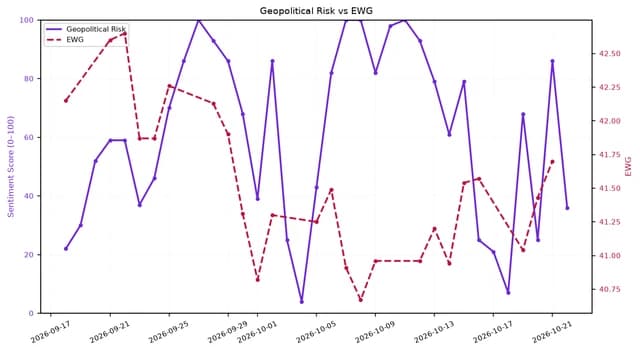
Adalytica’s Global Stability Sentiment gauge shows global stability sentiment at 36, with awareness at just 4, flagged as “Extreme Fear,” underscoring how quickly markets can reprice political risk when domestic instability, migration flashpoints and populist rhetoric converge.
For now, investors will watch whether Athens doubles down on the tougher line or tries to pull back from rhetoric that has energized the party’s right flank but may also hand oxygen to the very forces it wants to contain.
| Entity | Gains | Losses |
|---|---|---|
| New Democracy right flank | ▲Anti-immigration voters | ▼Centrist credibility |
| Far-right challengers | ▲Policy agenda traction | ▼Distinction from ruling party |
| KKE and left parties | ▲Anti-fascist mobilization | ▼Political temperature |
| Greek institutions | ▲Harder security mandate | ▼Social cohesion |