Greece is lining up a new round of cash transfers and subsidies from November through December as higher energy costs squeeze household budgets ahead of winter, with the government aiming to cushion retirees, renters and drivers without exhausting its fiscal room too early.
Greece schedules winter subsidies and cash transfers

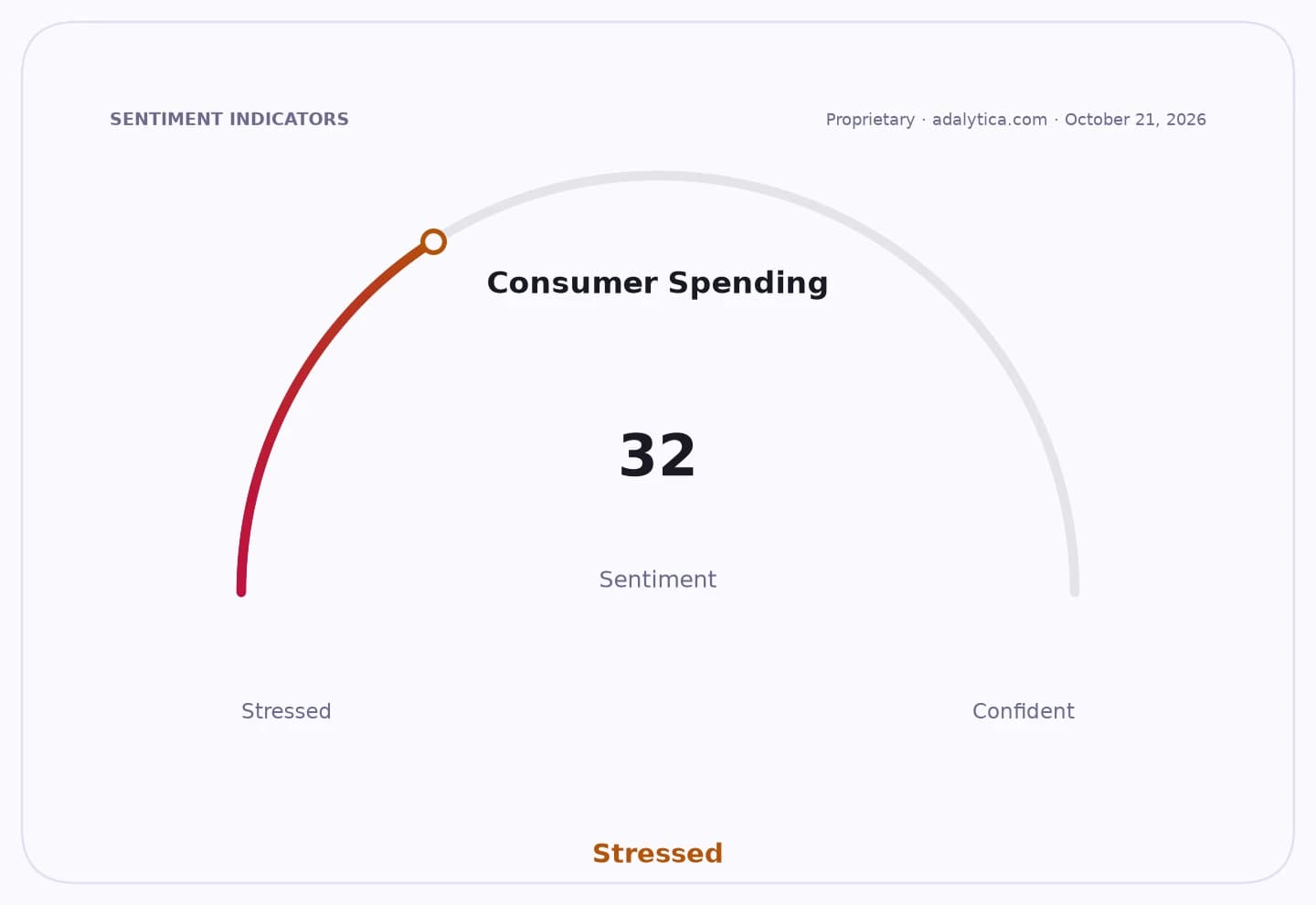
The timing matters for the economy because this is not just seasonal generosity: it is an effort to smooth a cost-of-living shock that can quickly weaken consumer spending if households have to absorb fuel and heating bills all at once. By staging payments over two months, Athens is trying to keep cash flowing into the real economy just as winter demand rises and energy prices stay elevated.
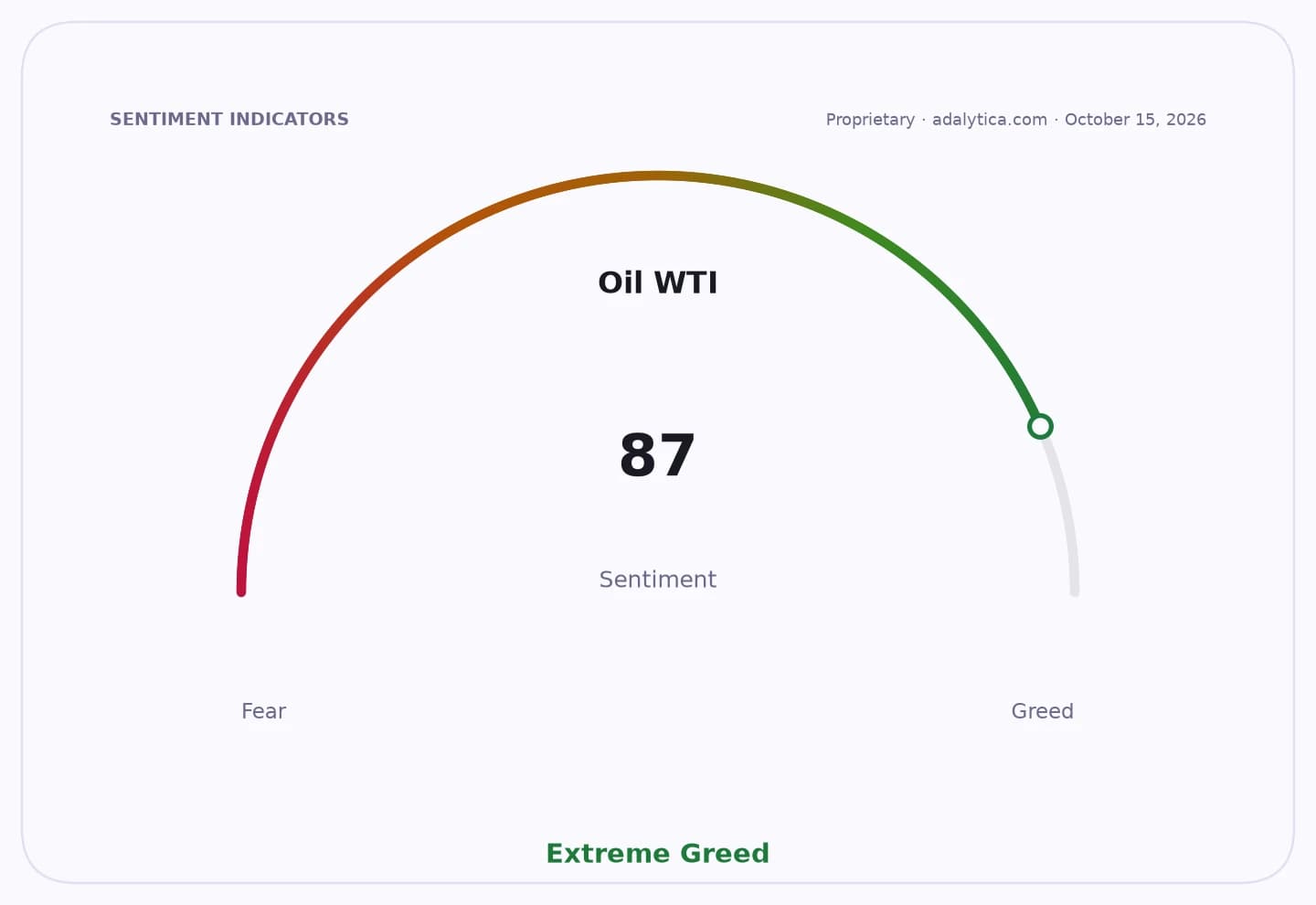
The schedule is front-loaded with fuel support. The government plans subsidy rounds on Nov. 2 and Nov. 16, followed by another on Dec. 1 and a further round on Dec. 15, covering heating oil, diesel and gasoline. The size of those subsidies has not yet been fixed and will depend on energy prices in the coming weeks, underscoring how closely Greece is tying relief to volatile global markets.
The biggest payment date so far is Nov. 30, when more than 1.1 billion euros is slated to be disbursed. That package includes rent rebates and a one-off 400-euro payment for pensioners over 65. For investors, that matters because direct transfers tend to be spent quickly, supporting retail turnover, utilities and other domestic demand channels rather than sitting idle in bank accounts.
December brings the second phase. The heating allowance is due on Dec. 23 and is expected to be 30% higher, while pension payments for 2027 are scheduled for Dec. 27 and may rise by more than the 2.8% already penciled into the budget. That points to a broader policy pivot: Greece is not only trying to manage winter hardship, but also preparing for a more expensive social spending bill going into next year.
There is also a bigger fiscal question hanging over the plan. The government is still waiting on the European Commission’s response to its request for additional budget flexibility, which would open the door to more support in early 2027, including a possible new cost-of-living payment for vulnerable families. In other words, the current schedule may be only the first installment of a longer relief cycle if Brussels gives Athens more room to maneuver.
For investors, the key takeaway is that Greece is using targeted transfers to defend household purchasing power while trying to avoid an open-ended spending spree. That can support domestic equities tied to consumption and utilities, but it also keeps the focus on fiscal discipline, especially as energy volatility and pension costs remain live issues. For long-term investors, the story is worth watching as a test of how durable Greece’s recovery is when inflationary pressure returns.
| Entity | Gains | Losses |
|---|---|---|
| Greek households | ▲Short-term cash relief | ▼Still face high utility bills |
| Pensioners and renters | ▲Direct transfers and rebates | ▼Delayed certainty on future support |
| Domestic retailers and utilities | ▲Stronger winter spending | ▼Weaker demand if aid disappoints |
| Greek budget | ▲Targeted support with limits | ▼Higher spending pressure ahead |