Greece’s governing New Democracy party is being warned that its hardest line on unrest may itself become the biggest threat to stability, as widening inequality, social anger and a debate over redistribution sharpen the political stakes.
Greece New Democracy Faces Inequality and Protest Pressure
The immediate issue is not just public order, but whether the government’s response to social tension is deepening the very distrust that can turn protest into a broader political problem. The argument laid out by Evgenia Fotoniata, a policy chief at left-wing party Syriza, is that ND is framing social conflict as a choice between “order or chaos” while sidestepping the economic grievances behind it. That matters because Greece is still carrying a heavier social burden than the rest of the European Union: 27.5% of the population was at risk of poverty or social exclusion in 2025, versus 20.9% across the bloc.
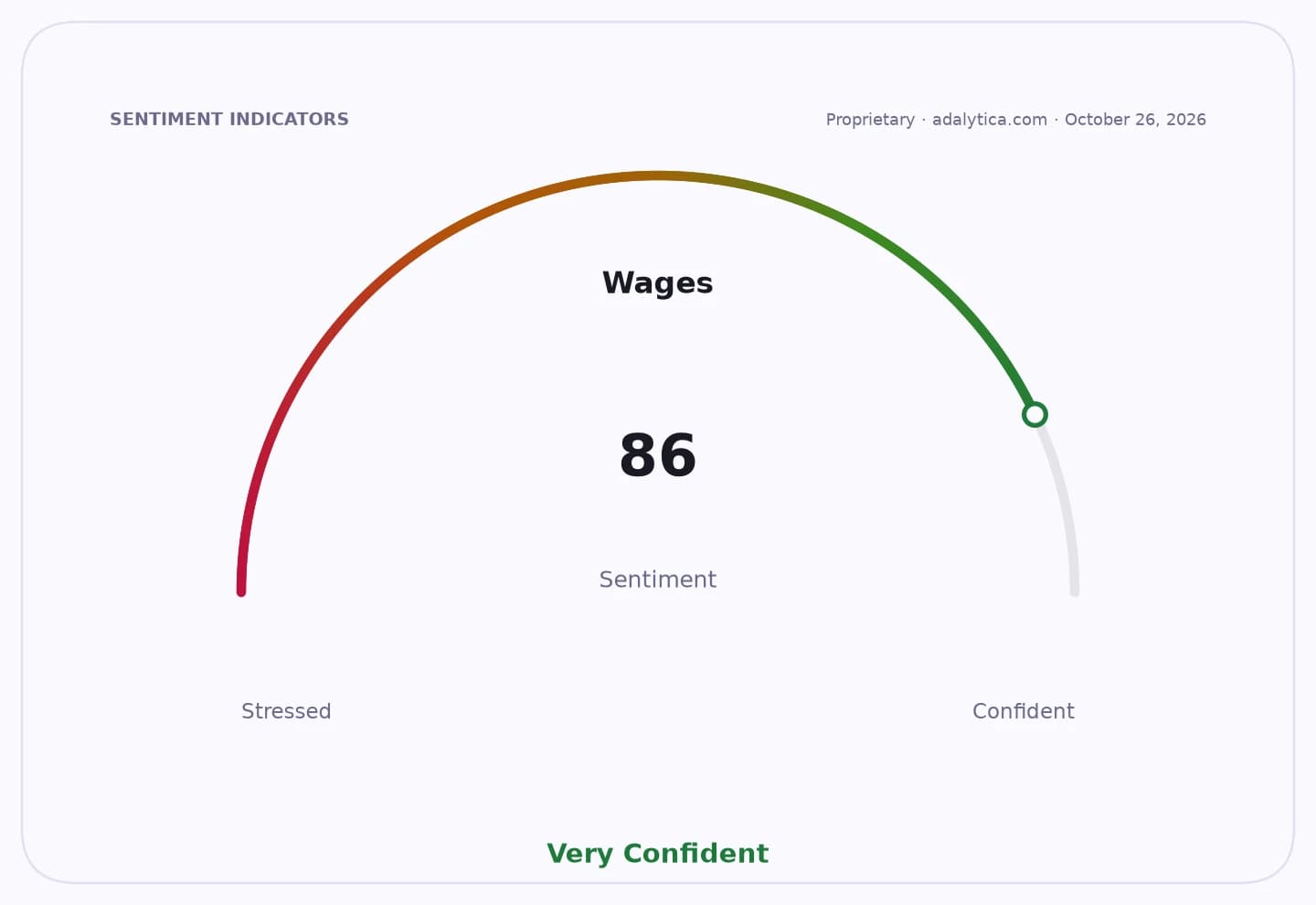
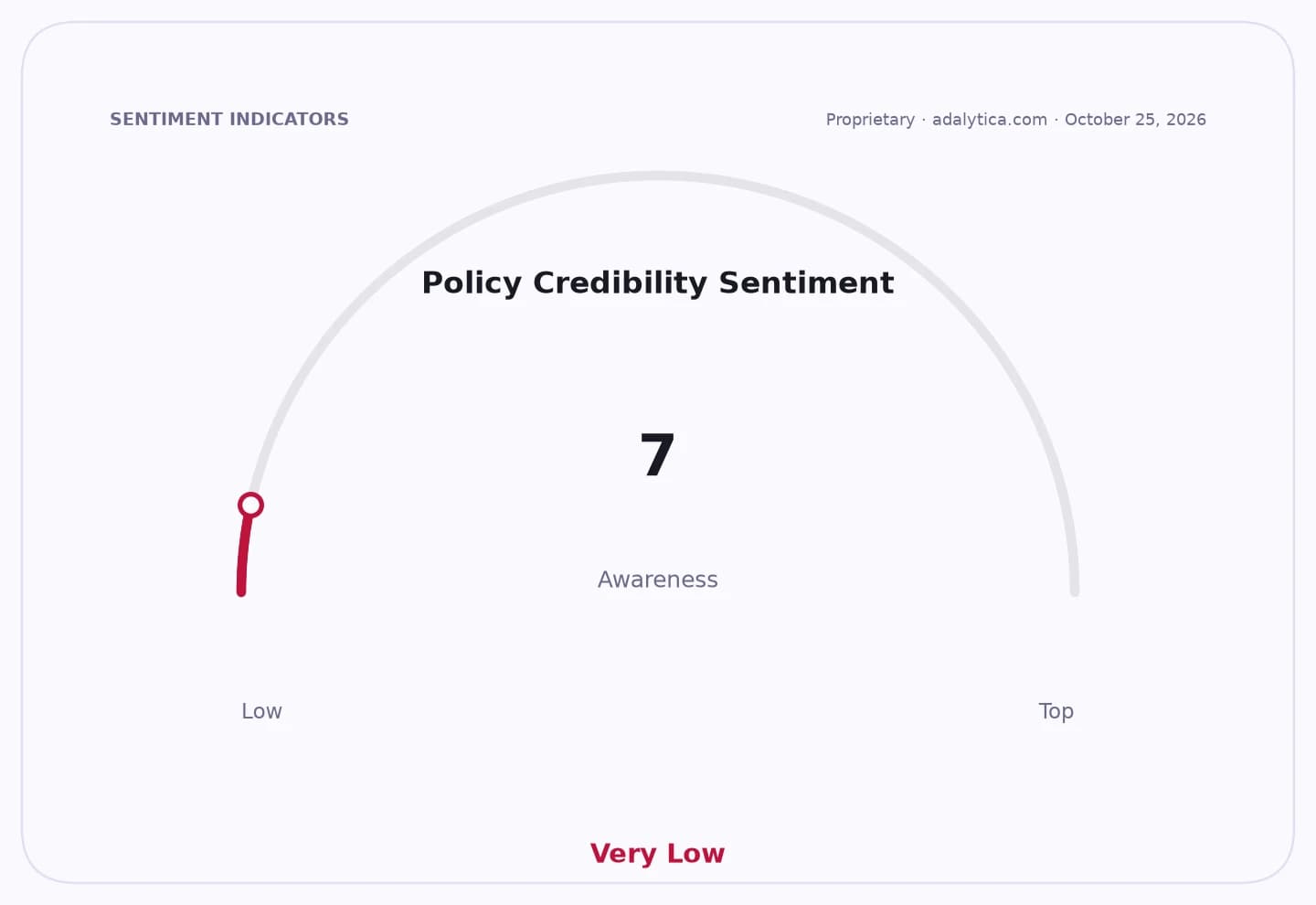
Sentiment IndicatorsⓘProprietary · adalytica.com · October 25, 2026
This is a snapshot — live sentiment, awareness and momentum for 130+ markets update continuously in the dashboard.Open AlphaPulse
For investors, the relevance is less about street politics than about durability of the policy environment. When governments respond to social strain primarily through security rhetoric, it can postpone, rather than solve, pressure points on wages, taxation and welfare spending. That raises the risk of episodic unrest, policy reversals and a more confrontational political cycle just as Greece is trying to preserve growth, fiscal credibility and an investment-friendly image. The debate over whether the wealthy should bear a larger share of the burden is also central to the fiscal outlook: redistribution can support social cohesion, but it can also signal a tougher tax stance if the government feels compelled to answer public pressure.
The underlying narrative is that Greece’s stability problem is becoming economic before it is political. Protests over education, the cost of living and public services are being read by the left as symptoms of a long build-up of inequality and insecurity, not isolated disorder. That gives ND an incentive to harden its messaging, but it also risks normalizing a “law and order” frame that leaves the structural causes untouched. The reference to a “two extremes” theory is especially important because it can blur the line between democratic opposition and extremism, making it harder to channel discontent through mainstream politics.
The market implication is a classic one: countries can absorb protest, but they struggle when social frustration stops being mediated by institutions. If inequality remains high and redistribution remains politically contested, the risk is not immediate macro disruption but a slower erosion of policy cohesion, with more room for populism, the far right and ad hoc measures. For Greece, the question investors will watch is whether the government treats unrest as a public-order issue alone or as a signal that the social settlement is fraying.
| Entity | Gains | Losses |
|---|---|---|
| New Democracy government | ▲Short-term order narrative | ▼Long-term credibility |
| Syriza and the left | ▲Social grievance argument | ▼Control of protest narrative |
| Wealthy taxpayers | ▲Lower immediate tax pressure | ▼Higher redistribution risk |
| Investors in Greece | ▲Clearer policy if tensions ease | ▼Volatility if unrest deepens |