Donald Trump’s claim that Paris is becoming a “Muslim city” hands France’s far right a political advantage six months before a crucial presidential election, reinforcing the immigration narrative that Marine Le Pen’s National Rally has spent years building while allowing it to avoid owning the message outright.
France politics and EWQ after Trump immigration claim
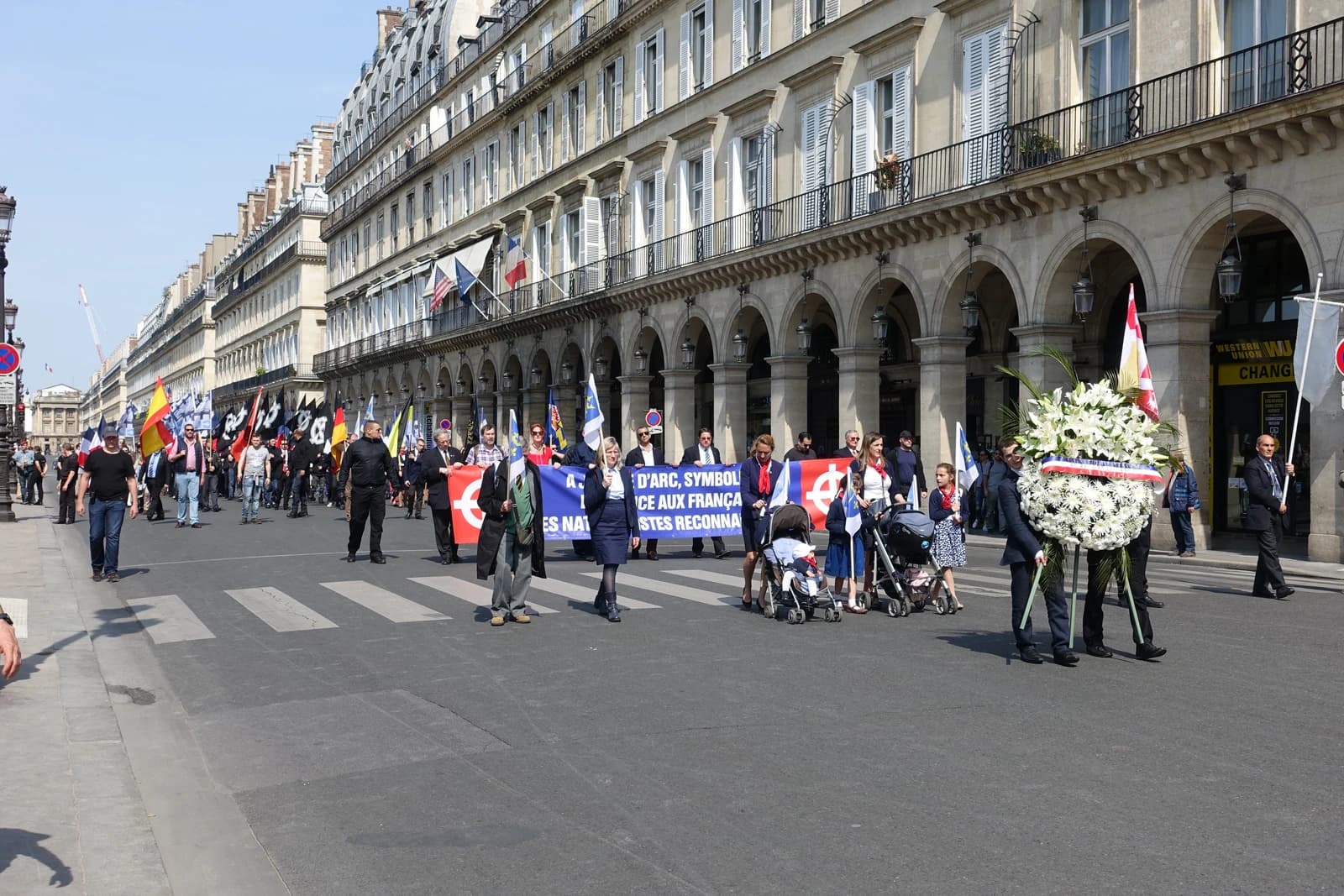
That matters because the battle for France is increasingly about identity, fear and economic anxiety at the same time. The unrest Trump cited was not driven by religion; it began with teacher shortages and then broadened into cost-of-living protests, a reminder that voters are reacting to squeezed households as much as cultural change. But by recasting those frustrations through immigration, Washington has offered the National Rally a foreign echo for a domestic campaign theme that already resonates with a large share of its base.
Sentiment Indicators
Geopolitical Risk
The market consequence is not immediate in the usual sense of earnings or rates, but it is still investable. Political fragmentation in France can widen policy uncertainty, complicate fiscal planning and keep pressure on European risk assets when investors are already sensitive to growth and stability. France-focused ETF EWQ has fallen to about $42.54 from a recent high near $45.81, while its 50-day moving average sits above the latest close and the 200-day average is higher still, a sign the market is not rewarding French exposure with much conviction. In currency markets, the euro has also gone into a stretched momentum phase, with Adalytica’s Euro Trade Signals at 99 for sentiment, suggesting the currency is already crowded enough that any fresh political stress could matter at the margin.
For investors, the real story is that immigration politics is becoming a market variable again in Europe’s second-largest economy. If the National Rally keeps rising in the polls and turns anti-immigration sentiment into a plausible path to power, French asset pricing will have to incorporate more noise around taxation, labor rules, public spending and relations with Brussels. That is the sort of uncertainty that benefits defensive exporters, global revenue names and companies less tied to French domestic demand, while pressuring banks, utilities and retailers that rely on local policy clarity and consumer confidence.
Trump’s comments also matter because they normalize the far right’s frame without forcing Le Pen to repeat it. She can continue presenting herself as the more disciplined option, insisting Muslims are “French” and that Islam is compatible with the Republic, while her supporters hear the harder line they already want. That is a potent electoral combination, and one that could become more dangerous if voters conclude that mainstream leaders are unable to control inflation, immigration or social unrest.
Our thesis is that this is not just a French political story. It is another signal that identity politics is returning to the center of European market risk, and that France may be the next major test case. Position for volatility, not complacency: favor quality multinationals with overseas earnings, and be wary of French domestically exposed assets until the election path becomes clearer.
| Entity | Gains | Losses |
|---|---|---|
| National Rally | ▲Reinforced immigration message | ▼Needs less overt campaigning |
| Marine Le Pen | ▲Broader voter permission structure | ▼Pressure to answer Trump directly |
| France’s Muslims | ▲Little immediate gain | ▼Higher fear and discrimination risk |
| EWQ / French domestic assets | ▲Defensive names only | ▼Higher political risk premium |