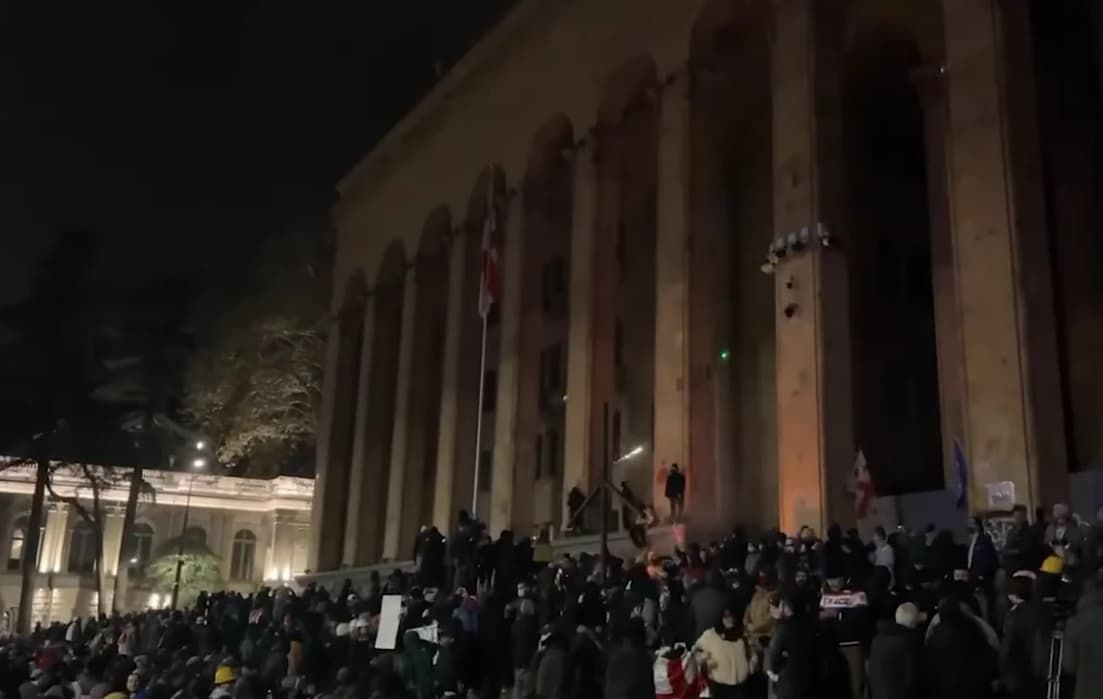
Russia and Iran are among the foreign powers accused of amplifying France’s widening unrest, adding a geopolitical layer to violent street protests that are already testing Emmanuel Macron’s government and raising the risk of deeper political instability ahead of next year’s presidential race.
France unrest linked to Russia and Iran claims
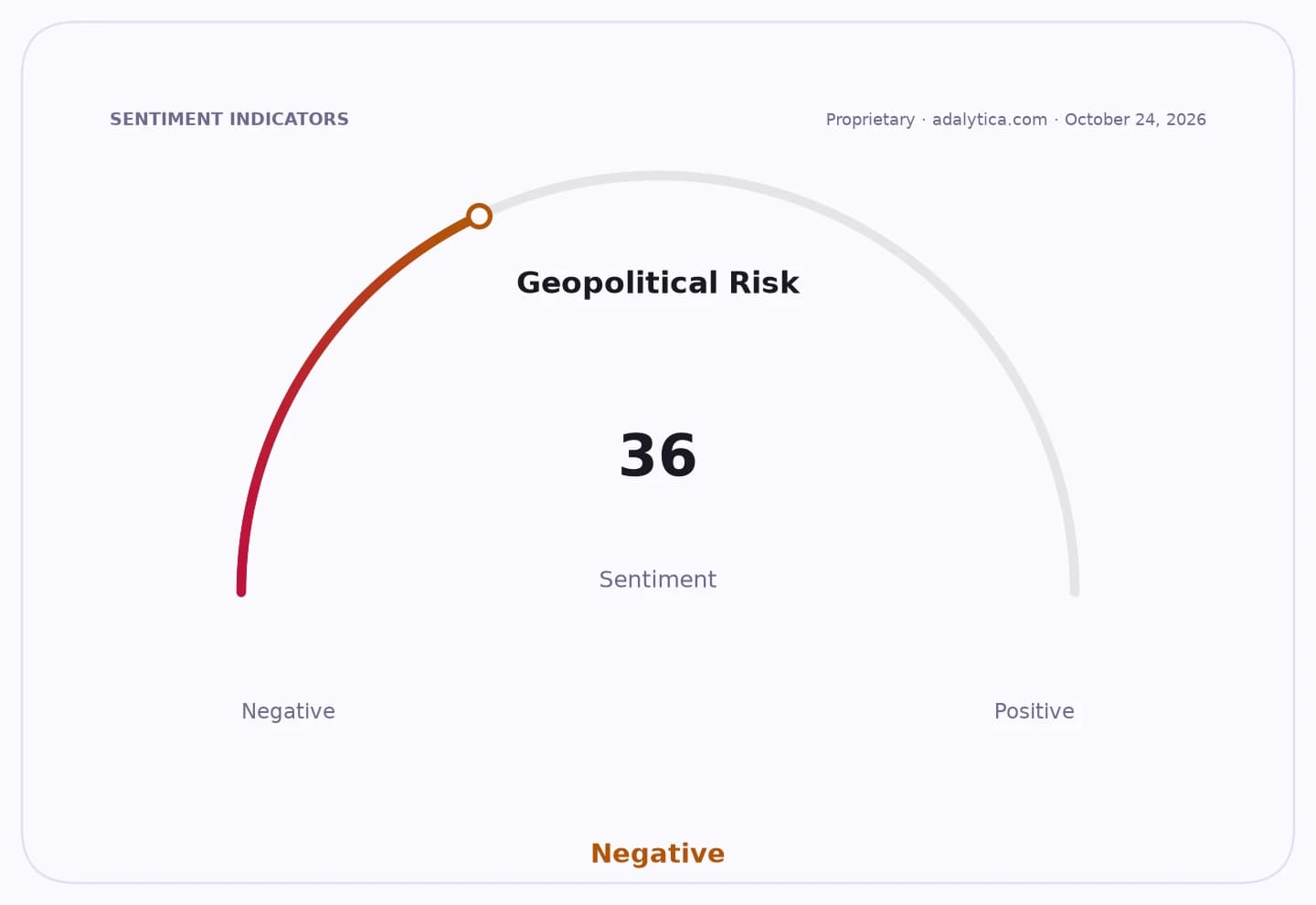
The allegations matter because they turn what began as domestic anger over education, policing and inequality into a contest over state resilience, online manipulation and public order. For investors, sustained unrest in the euro zone’s second-largest economy can feed into broader European political risk, weigh on the euro and keep pressure on French assets if the disorder spreads or becomes harder to contain.
Sentiment Indicators
Researchers and French officials say hostile actors are using disinformation, influencers and social media campaigns to intensify anger and exploit divisions exposed by the protests. France Culture cited police and territorial intelligence sources saying the mobilization has been “stirred, intensified and instrumentalized” by bloggers and influencers backed or promoted by foreign powers, naming Iran, Russia and Algeria.
David Colon, a Sciences Po historian and author on disinformation, said Russia, Iran and Algeria have helped “amplify and exacerbate tensions.” He said Iran has been particularly effective because of its ties to far-left groups in France, while Russian efforts have focused more on promoting claims of police violence and racism.
The timing is sensitive for Macron, who has faced criticism for keeping quiet about some of the foreign interference allegations. According to La Lettre, Foreign Minister Jean-Noël Barrot wanted to publish a report on Iran’s disinformation and cyber activity, but the Élysée blocked it, reflecting a desire to avoid provoking Tehran as geopolitical tensions rise.
The unrest itself has become a serious security issue. New protests are planned, parts of Paris and other cities are under emergency-style measures and Interior Minister Laurent Nuñez said soldiers and elite police units would be deployed to provide “static security.” A police unit on Tuesday arrested a 34-year-old man over a fire that partly destroyed city hall in Limoges.
The broader regional backdrop also matters. Italian Prime Minister Giorgia Meloni on Monday said 500 soldiers would patrol Milan by year-end after youth unrest there caused about 1 million euros of damage, underscoring how protest contagion is spilling beyond France and forcing governments across Europe to harden their response.
For markets, the immediate read-through is not a direct economic shock so much as a higher geopolitical and policy-risk premium. If the protests persist, investors will watch for pressure on French consumer activity, tourism, public spending and the government’s ability to pursue reforms, while the euro could remain vulnerable to any signs that France’s instability is becoming a wider European problem.
The next catalyst is another round of demonstrations, with authorities braced for fresh violence and officials likely to keep spotlighting foreign interference as they try to regain control of the narrative.
| Entity | Gains | Losses |
|---|---|---|
| France’s government | ▲Security leverage | ▼Political credibility |
| Russia and Iran | ▲Influence opportunities | ▼Diplomatic trust |
| Protest organizers | ▲Public attention | ▼Momentum if violence escalates |
| Euro and French assets | ▲Limited safe-haven support | ▼Higher political-risk premium |