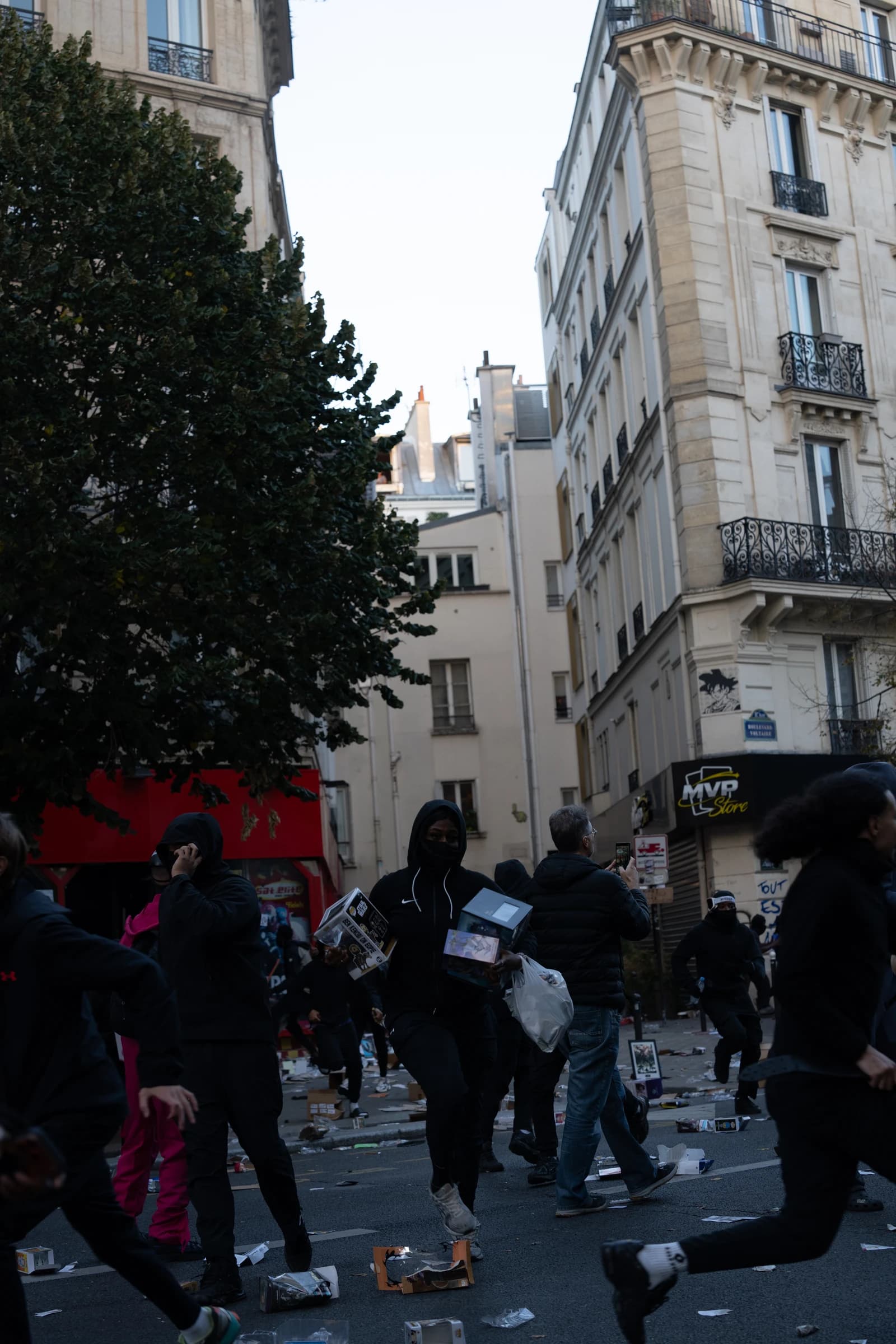
France’s violent riots are becoming more than a domestic security crisis — they are a warning shot for European political stability, and investors should not dismiss them as another temporary flare-up.
France riots weigh on French stocks and euro
Nearly 3,000 detentions, emergency troop deployments and curfews in cities such as Marseille and Lille underscore how quickly civil unrest can spill from the streets into the broader economic and market narrative. For investors, the immediate issue is not just damaged buildings or disrupted commerce. It is the risk that prolonged unrest forces governments to divert attention and capital toward security, while deepening the region’s already fragile confidence environment.
That matters because Europe is entering a period where growth is weak, policy flexibility is limited and political cohesion is already under strain. France sits at the center of that equation. If unrest persists, it can weigh on consumer spending, tourism, retail activity and business sentiment, while also adding pressure on the French state’s fiscal and security outlays. The market does not need a full-blown crisis to react; it only needs a sustained rise in uncertainty, and that is exactly what this kind of disorder creates.
The price action is already telling part of that story. EWQ, the iShares MSCI France ETF, has slipped to 41.79, down from 45.81 in June and below its 50-day moving average of 44.19 and 200-day average of 44.56, a sign traders are leaning defensive on French equities. FXE, which tracks the euro, is also under its 50-day and 200-day averages at 103.53, reflecting the broader market’s caution around European risk. By contrast, EWH, the iShares MSCI Hong Kong ETF, has held up relatively better, suggesting investors are still discriminating between regions rather than abandoning risk outright.
Geopolitical Risk vs EWQadalytica.com
Explore this data interactively — full history, time series and cross-market comparisons.Open AlphaPulse
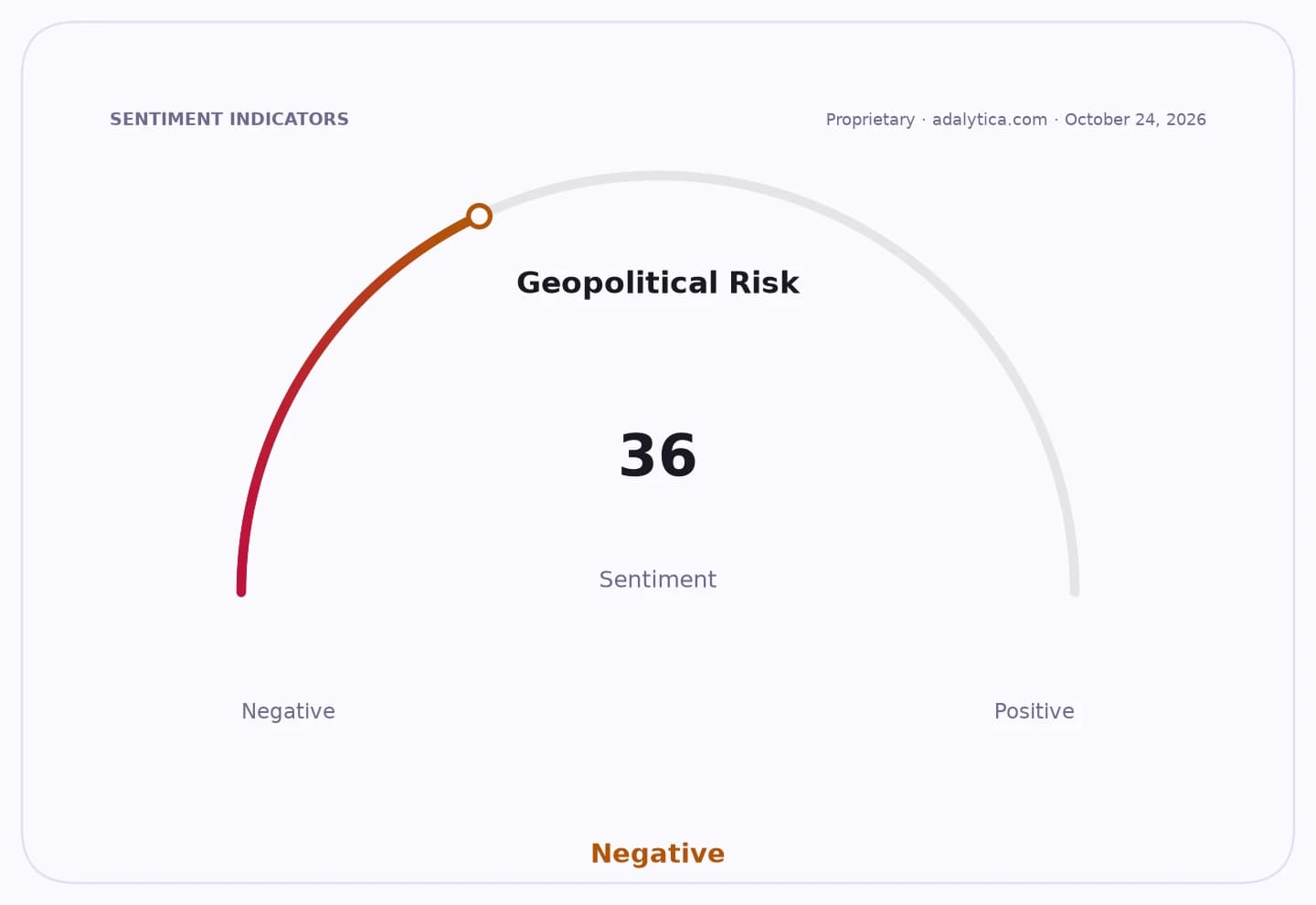
Adalytica’s Global Stability Sentiment gauge reinforces the point: the snapshot shows sentiment at 36, with awareness in “Extreme Fear,” a sharp deterioration from 68 just days earlier. That kind of swing tells you geopolitical stress is feeding directly into market psychology.
The investable takeaway is straightforward. The market underestimates how quickly French unrest can morph into a Europe-wide discount on risk assets, especially if it dents confidence or forces a harder security response. For now, that argues for caution on French and broader eurozone exposures, while favoring assets tied to volatility, defense, infrastructure resilience and non-European growth streams. If the unrest broadens or drags on, the next beneficiaries will be companies that profit from security spending, hard assets and flight-to-safety flows.
| Entity | Gains | Losses |
|---|---|---|
| Defense contractors | ▲Higher security spending | ▼Public unrest eases |
| Safe-haven assets | ▲Flight-to-safety demand | ▼Risk appetite returns |
| French equities | ▲Stabilization and calm | ▼Prolonged riots |
| Eurozone consumers and retailers | ▲Restored confidence | ▼Curfews and disrupted spending |