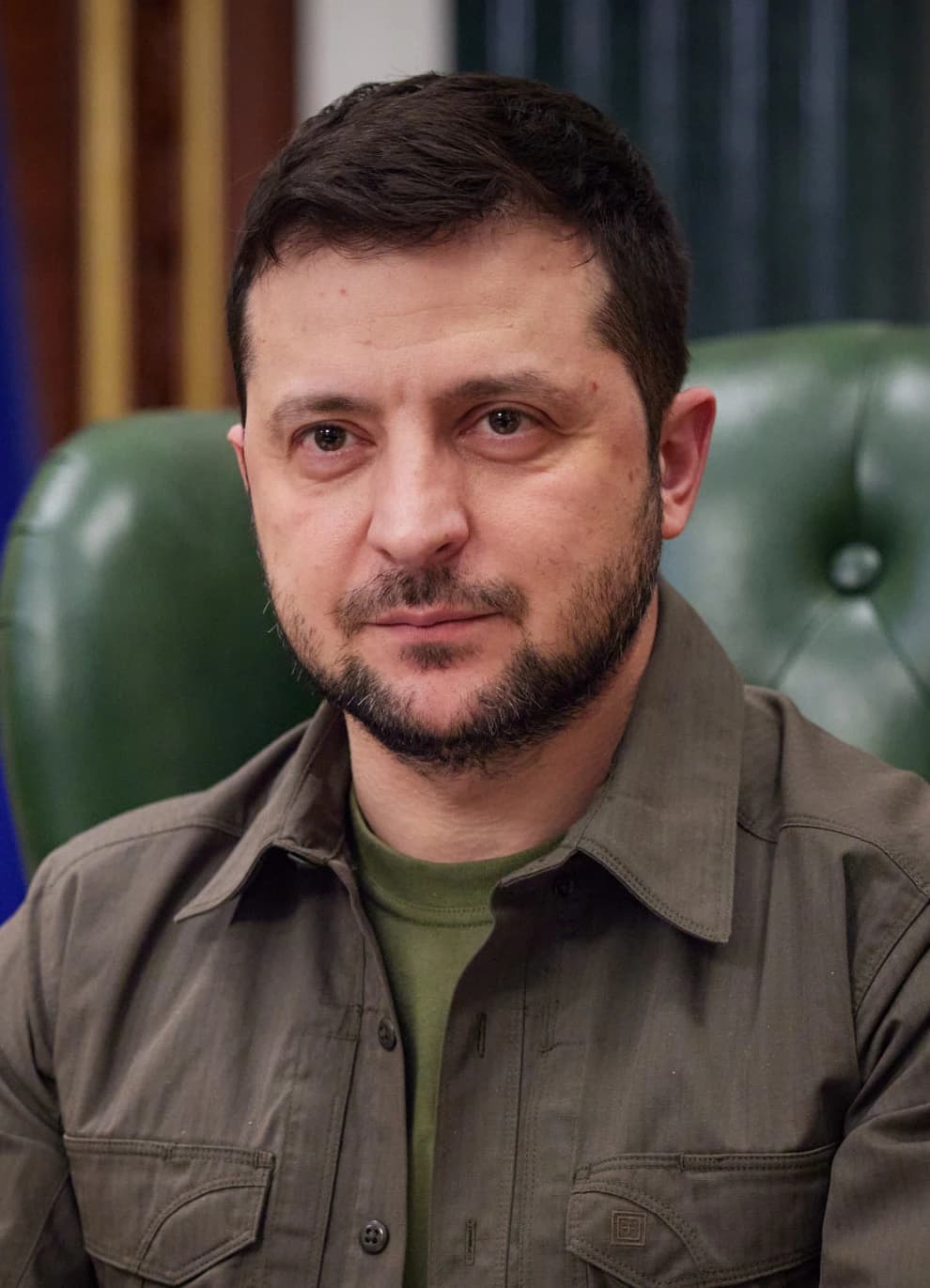
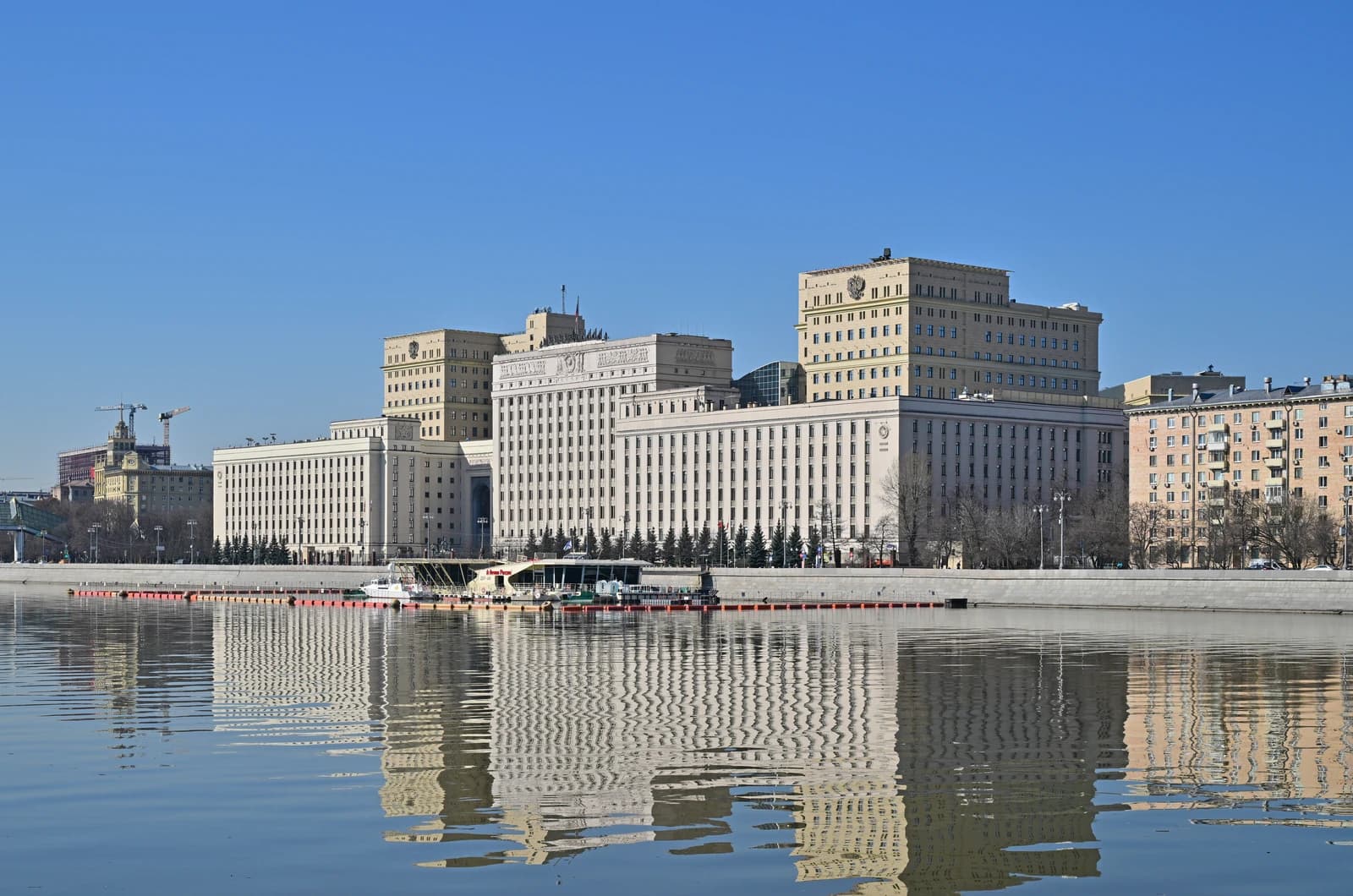
Germany is tightening its rhetoric toward Moscow as Foreign Minister Johann Wadephul hardens his tone on President Vladimir Putin, underscoring how the war in Ukraine remains a live geopolitical risk for Europe and a market factor through energy, defense and broader stability expectations.
Germany hardens stance on Russia as Ukraine war escalates
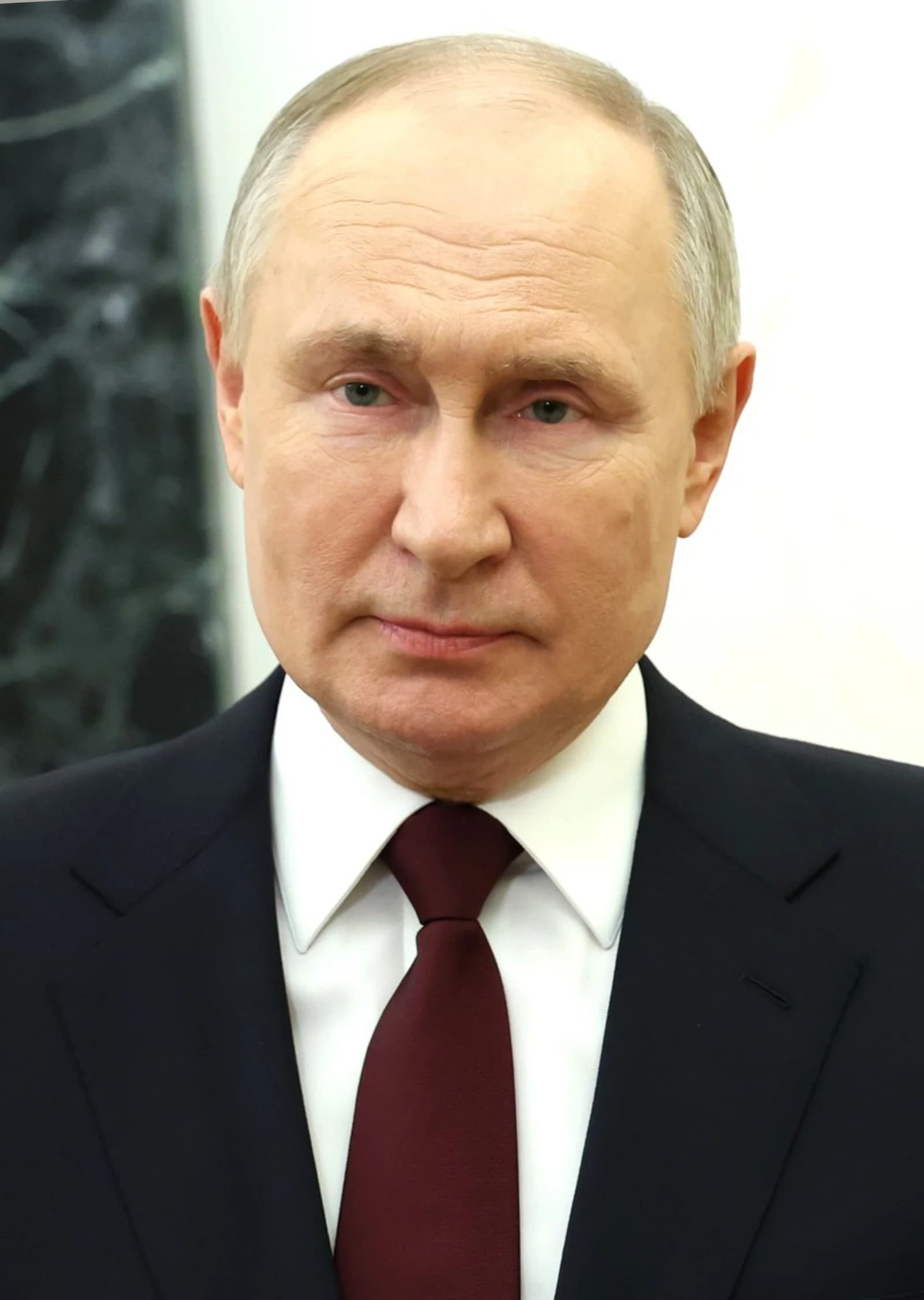
The shift matters economically because any sharper German stance increases the odds of sustained Western support for Kyiv, tougher sanctions enforcement and continued pressure on Russian energy flows at a time when Ukraine is escalating strikes on Russian refineries and Moscow is warning of "mortal danger" for diplomats in Kyiv. That keeps winter energy-supply risk elevated for Europe and reinforces a premium in defense and security assets.
Sentiment IndicatorsⓘProprietary · adalytica.com · October 10, 2026
This is a snapshot — live sentiment, awareness and momentum for 130+ markets update continuously in the dashboard.Open AlphaPulse
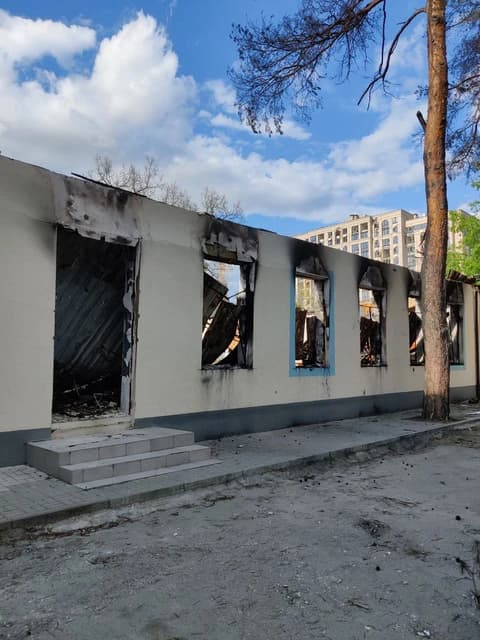
The news lands against a backdrop of renewed battlefield escalation. Russia has carried out a large-scale attack, while Ukraine is signaling it will step up attacks on Russian oil infrastructure, a move aimed squarely at Moscow’s war-financing capacity and fuel system. Moldova has also reported airspace violations, widening the regional spillover and reminding investors that the conflict is not confined to the front line.
For markets, the main read-through is not just higher headline risk but a persistent bid for stability hedges. The global stability gauge in Adalytica’s snapshot is at 98, labeled Extreme Greed, suggesting investors are pricing in a fragile calm even as actual geopolitical tensions intensify. That disconnect can leave European assets vulnerable if the conflict broadens or if energy infrastructure is disrupted further.
Geopolitical Risk — 30-day sentimentadalytica.com
Explore this data interactively — full history, time series and cross-market comparisons.Open AlphaPulse

Shares of the iShares MSCI United Kingdom ETF, EWU, have been relatively steady but remain below recent highs, closing at 46.52 on Oct. 9 after trading as low as 45.93 two sessions earlier. The ETF’s 50-day moving average sits at 47.84, and the RSI reading of 34.5 points to subdued momentum, implying investors are not fully discounting the geopolitical tail risk that could hit European equities and the region’s recovery trade.
The next catalyst is whether diplomacy can keep pace with military escalation. Ukraine says it remains open to ceasefire talks, including with backing from India’s peace proposal, but for now the market is still trading the war through energy risk, defense exposure and the chance of more sanctions.
| Entity | Gains | Losses |
|---|---|---|
| Ukraine | ▲more Western backing | ▼war damage and energy strain |
| Russia | ▲wartime pressure narrative | ▼refinery and sanction risk |
| European defense stocks | ▲higher security spending | ▼broader market volatility |
| European consumers/importers | ▲— | ▼higher winter energy risk |