Russia’s intensifying attacks on Ukraine’s power grid and energy infrastructure are exposing a critical wartime vulnerability just as winter approaches, raising the economic and military cost of the conflict for Kyiv and its allies.
Russia Strikes Ukraine Power Grid Before Winter
The immediate significance is that Moscow appears to have identified a pressure point that can strain Ukraine’s civilian economy without a full battlefield breakthrough. Repeated strikes on strategic ports, refineries and power facilities can disrupt electricity supply, production, logistics and household heating, forcing Kyiv to divert more resources to defense, repairs and imports.
Sentiment IndicatorsⓘProprietary · adalytica.com · October 10, 2026
This is a snapshot — live sentiment, awareness and momentum for 130+ markets update continuously in the dashboard.Open AlphaPulse
That makes the escalation economically material well beyond the front line. Damage to infrastructure typically lifts emergency spending, widens budget stress and increases reliance on Western military, financial and energy support. It can also weigh on regional risk appetite, particularly in Europe, where energy security and refugee flows remain part of the spillover risk from the war.
For investors, the message is that the conflict is moving into a phase where infrastructure resilience matters as much as troop movements. Ukrainian assets and regional sentiment can deteriorate quickly when strikes target utilities and transport corridors, while defense contractors, energy suppliers and logistics firms tied to wartime rebuilding can see renewed attention. At the same time, higher geopolitical risk tends to support safe-haven demand and keep volatility elevated across European markets.
Geopolitical Risk — 30-day sentimentadalytica.com
Explore this data interactively — full history, time series and cross-market comparisons.Open AlphaPulse
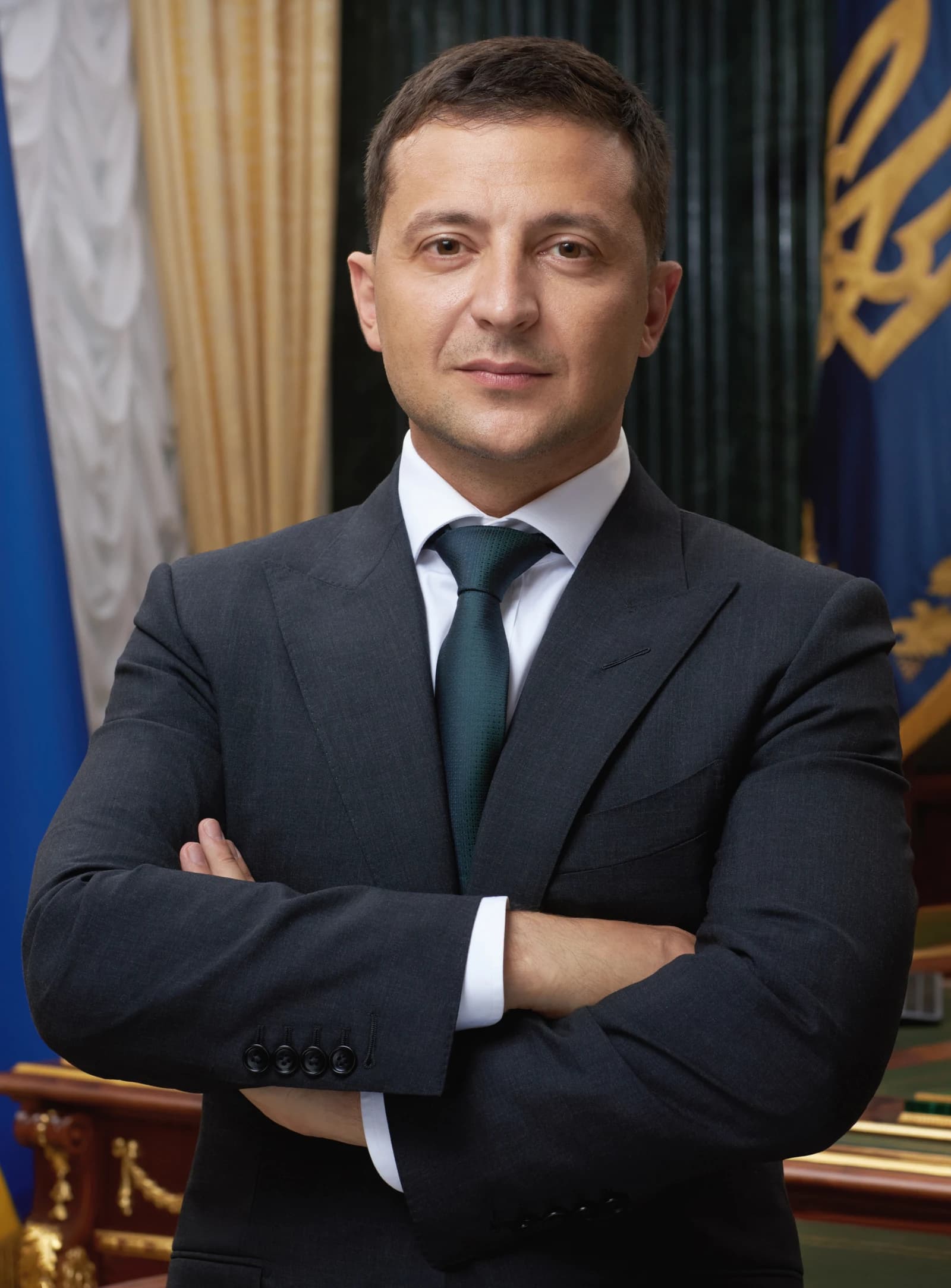
The Western response underscores how much is at stake. France and the European Commission have condemned the latest attacks and pledged continued military, financial and energy backing for Kyiv, while Ukraine’s President Volodymyr Zelensky has warned of daily missile and drone strikes and said Kyiv is hitting back at Russian refineries.
The broader narrative is that Russia is not only trying to wear down Ukraine militarily, but to exploit a seasonal weakness in its power and heating system ahead of the coldest months. That keeps the conflict economically consequential and leaves markets focused on whether Western aid can offset the strain before winter deepens the pressure.
| Entity | Gains | Losses |
|---|---|---|
| Russia | ▲Leverage on Ukraine’s infrastructure | ▼Higher condemnation, sanctions risk |
| Ukraine | ▲Western aid focus, retaliatory strike momentum | ▼Power grid damage, budget strain |
| European allies | ▲Renewed defense relevance | ▼Energy security and refugee spillover risk |
| Defense and energy suppliers | ▲Higher demand for support and rebuilding | ▼None immediate |