Deutsche Bank’s stronger profitability and the prospect of lighter capital requirements are reinforcing a split in banking: larger lenders with scale and balance-sheet flexibility are gaining room to return capital and invest, while smaller banks are being pressed harder by tighter scrutiny and the cost of serving weaker borrowers.
Deutsche Bank profit and capital relief lift shares

For investors, that matters because it points to a widening dispersion in the sector’s earnings power and valuation. Deutsche Bank’s shares have been supported by improving profitability, even as the bank also moved to replace a branch manager after a serious breach of trust, a reminder that governance and internal controls remain a live issue. The stock’s resilience suggests the market is giving more weight to returns on equity and capital efficiency than to isolated operational headlines.
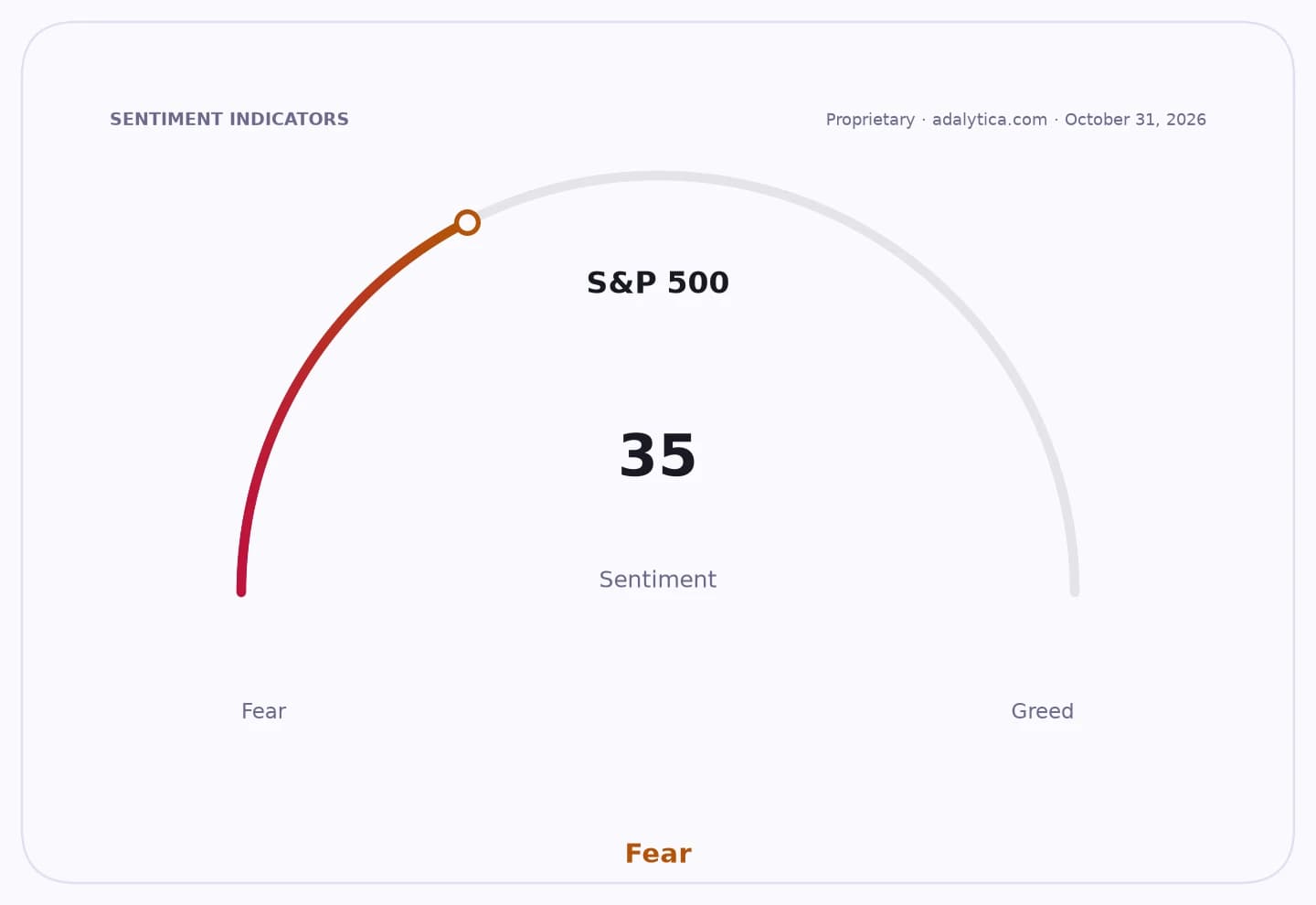
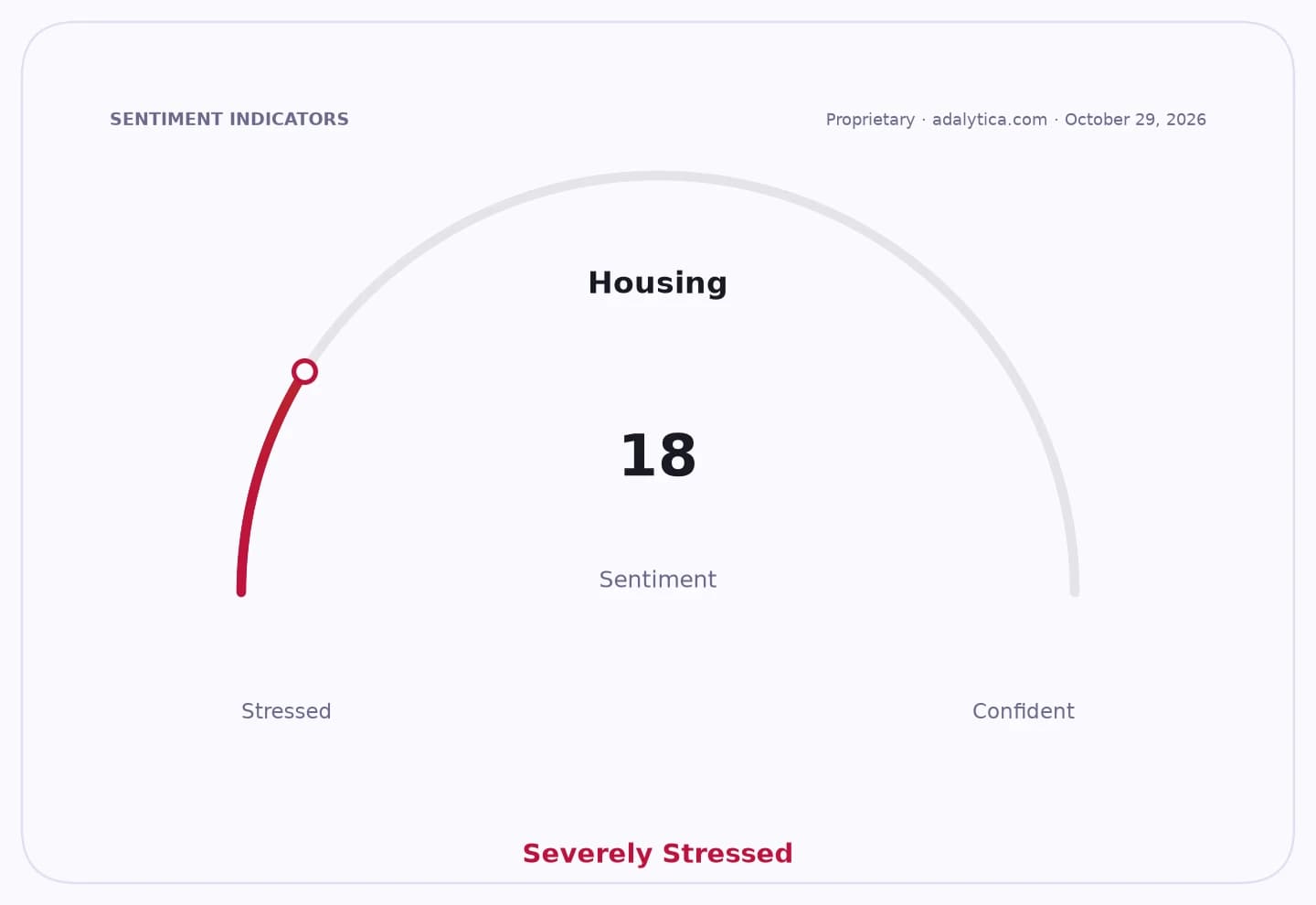
Sentiment Indicators
The capital backdrop is especially important. Easing requirements can increase the amount of capital banks have available for dividends, buybacks and lending growth, which tends to support share prices and improve the appeal of European lenders to income-focused investors. In a sector long constrained by low rates and regulation, any relief that lifts distributable capital can have an outsized effect on sentiment and valuation.
At the same time, the pressure on smaller and mid-sized banks is intensifying. New inclusive finance assessments in the background show how difficult it is to balance soundness with lending to vulnerable borrowers, with a large share of scoring tied to fund supply and debt restructuring. That combination implies higher compliance costs, thinner margins and potentially greater credit risk for institutions without the scale or fee income of universal banks.
The macro and market message is that banking strength is no longer moving in lockstep. Bigger lenders with diversified revenue, stronger trading platforms and more flexible capital management are better positioned to absorb regulatory change and still reward shareholders. Smaller banks, by contrast, may face a more constrained path as they try to meet policy goals without undermining profitability.
For investors, the key question is whether this divergence persists. If capital rules continue to ease and profitability holds up, large banks could keep re-rating relative to regional peers. But any setback in credit quality, governance or regulatory tolerance would quickly test that optimism, especially in banks that are already operating with less room for error.
| Entity | Gains | Losses |
|---|---|---|
| Deutsche Bank | ▲Higher profitability, capital flexibility | ▼Governance scrutiny |
| Large banks | ▲Buybacks and lending capacity | ▼Less regulatory pressure relief for smaller peers |
| Small and mid-sized banks | ▲Broader policy support | ▼Margin pressure and higher compliance costs |
| Bank shareholders | ▲Stronger returns potential | ▼Earnings dispersion risk |