Dhanteras is again driving a burst of buying, but the bigger investment story is that households are broadening what counts as a festive purchase, from gold and silver to copper, brass, clay lamps, idols, brooms, salt and cumin seeds.
Dhanteras buying broadens beyond gold and silver
That matters because the festival remains a powerful near-term catalyst for India’s retail economy, especially for jewellers, utensil sellers and neighborhood shops that depend on a few concentrated days of demand. It also shows how consumers are defending budgets without abandoning tradition, a pattern that supports volumes even when discretionary spending is uneven.
In practice, the market is seeing a split between high-ticket and low-ticket auspicious purchases. Gold and silver remain the aspirational anchor, but the article’s list of alternatives underscores how cultural demand can be redirected into cheaper categories when inflation or household cash flow limits spending. For merchants, that is important: the sale may be smaller, but the transaction still happens, and in a festival where timing is tied to belief, the conversion rate matters more than the basket size.
That dynamic helps explain why local retail and organized jewelry channels continue to benefit from Dhanteras even when shoppers trade down. The same consumer who skips bullion may still buy brass vessels, a new broom or a Lakshmi-Ganesh idol, keeping foot traffic alive across multiple categories. For investors, that means the opportunity is not only in bullion-linked names, but in the broader ecosystem of consumer-facing retailers, neighborhood traders and seasonal inventory suppliers that capture ritual-led spending.
The market signal is especially relevant for gold and silver exposure. Silver-related products and funds can still catch festive buying interest, while gold remains the cultural default for households that can afford it. But the more important takeaway is that festive demand is becoming more elastic, and that widens the addressable market for lower-price-point goods. In an inflation-sensitive consumer environment, that is a tailwind for volume, not just value.
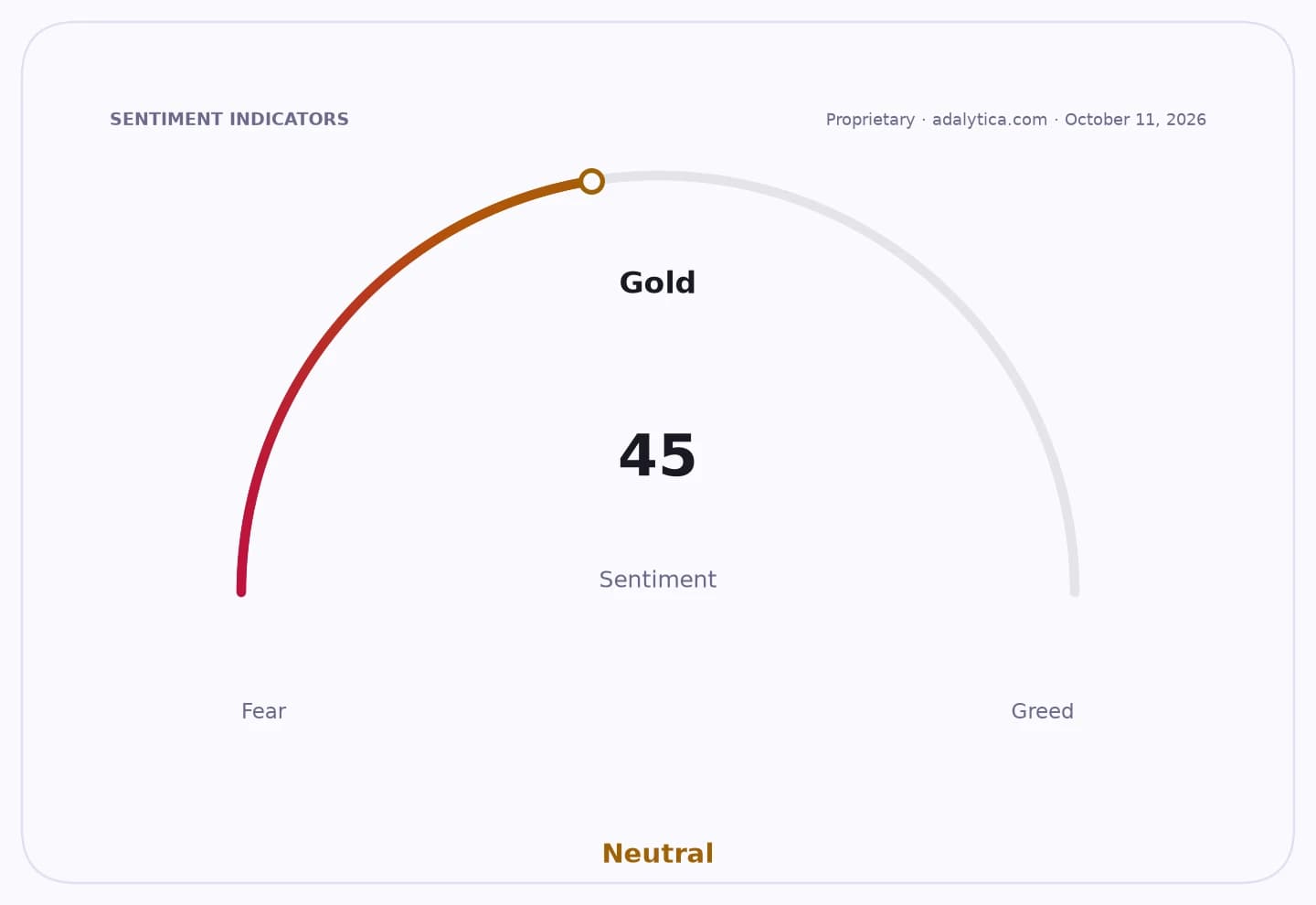
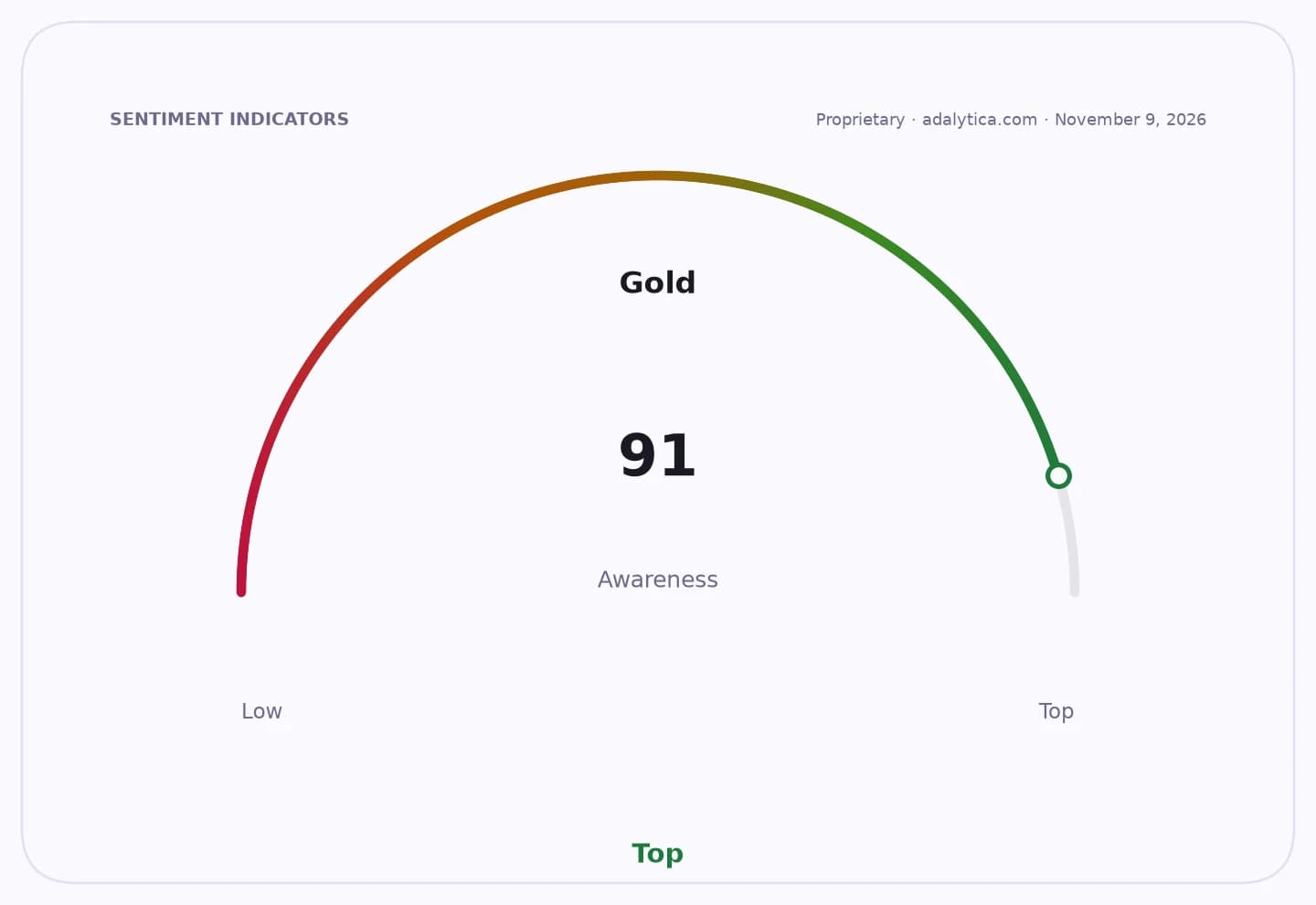
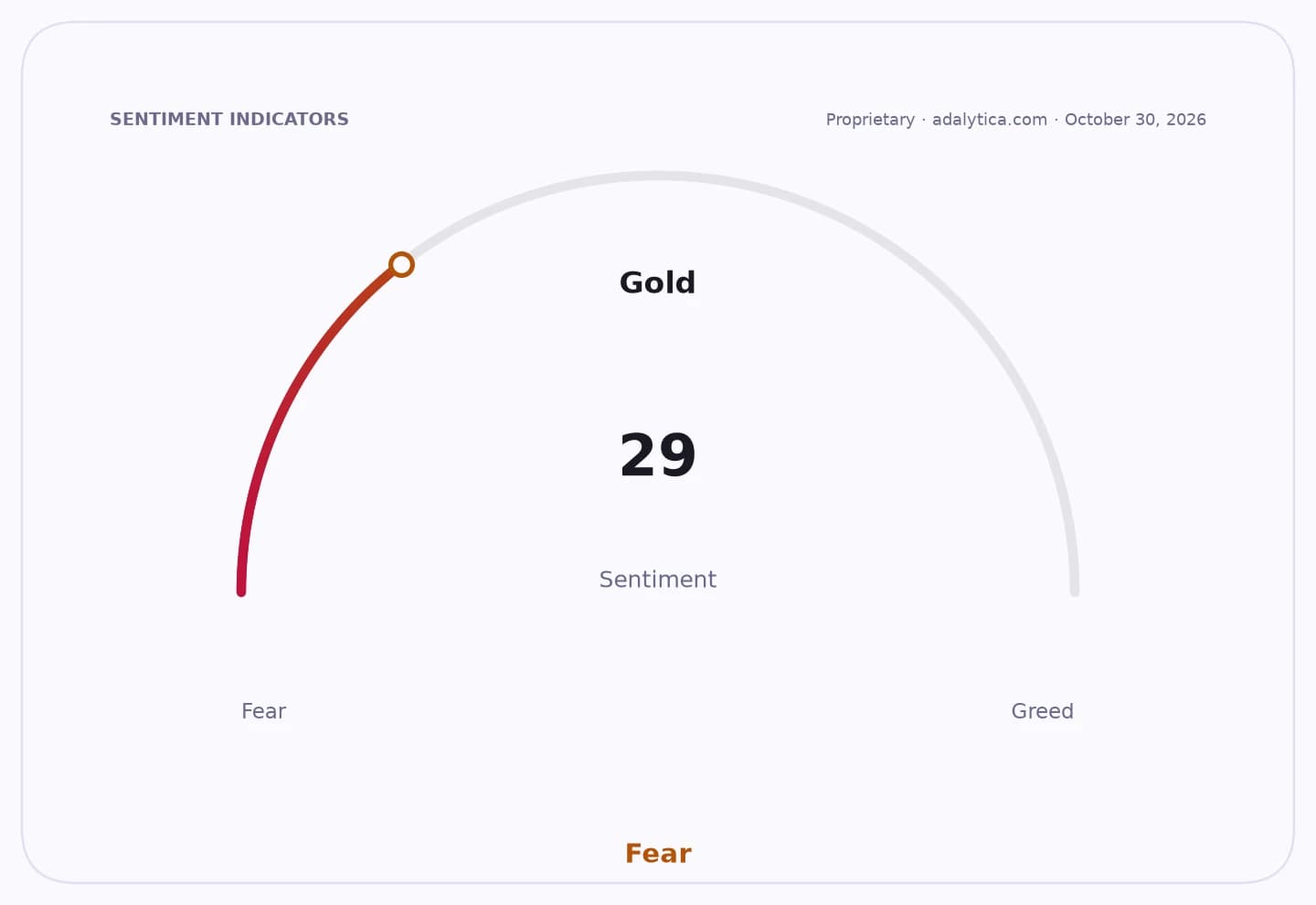
Recent price action in silver-backed and gold-backed funds shows investors are already treating precious metals as a live trade, not just a ceremonial one. SLV, the iShares Silver Trust, has been volatile, with its latest close at $46.87, well below its 50-day moving average of $54.21 and 200-day average of $63.28, while GLD finished at $372.52, also under its 50-day average of $384.96 and 200-day average of $411.24. That tells you the long-term appeal of the metals remains intact, but the near-term setup has cooled — exactly the kind of backdrop where festival demand can become a meaningful sentiment driver.
The smarter investor read is that Dhanteras does not just boost one trade in one commodity. It reinforces a secular retail pattern: consumers preserve auspicious behavior while adapting to price, which is good for breadth across jewelry, home goods and neighborhood commerce. The companies and funds most exposed to that mix could see an extra seasonal lift, but the real opportunity is in the lower-ticket “good luck” purchases that most investors overlook.
If you want to position for the festival economy, think beyond bullion. The best trade may be the picks-and-shovels of tradition — retailers, utensil makers, home-ceremony goods and local sellers that benefit whenever Indian households decide that prosperity can be bought in more than one form.
| Entity | Gains | Losses |
|---|---|---|
| Jewelry sellers | ▲Festival demand for gold and silver | ▼Traders short precious metals |
| Utensil makers and retailers | ▲Copper, brass and steel purchases | ▼Sellers relying only on bullion |
| Local neighborhood shops | ▲Footfall for low-cost auspicious goods | ▼Large-format stores without festival assortment |
| Gold and silver funds | ▲Seasonal buying interest | ▼Investors expecting a straight-line rally |