Consumers heading into Dhanteras are being urged to check the purity of gold and silver jewellery before buying, as India’s standard-setter steps up efforts to curb mis-selling in a festival season that usually brings a surge in precious-metal purchases.
India BIS Gold Hallmark Check Before Dhanteras
Gold
The Bureau of Indian Standards is asking buyers to verify the hallmark and the six-digit HUID, or Hallmark Unique Identification number, rather than relying only on design or price. The advice matters because jewellery purchases in India are often large-ticket, emotionally driven and made under time pressure, creating room for overcharging, mislabelling or disputes over purity after the sale.
Sentiment Indicators
BIS said HUID-based gold hallmarks include the BIS mark, the carat value, a fineness number and the alphanumeric HUID. The purity grades are standardized: 916 for 22-carat gold, 750 for 18-carat, 585 for 14-carat, 833 for 20-carat, 958 for 23-carat and 995 for special-grade 24-carat gold. For silver, the common purity marks are 800, 835, 925, 958, 970, 990 and 999, with 925 recognized as sterling silver.
The regulator is also pushing consumers to use the BIS Care app’s “verified HUID” feature to check the purity, category, jeweller and hallmarking centre from home. The app also shows the weight of the jewellery, metal weight, making charges, wastage charges and GST, which can help buyers spot inflated billing or hidden costs before they leave the store.
That matters economically because jewellery demand remains one of the most visible channels for retail gold consumption in India, especially during Dhanteras and Diwali. A credible hallmarking system supports consumer confidence and can help formal jewellers capture demand from buyers looking for assurance in a market where price moves and quality concerns often collide.
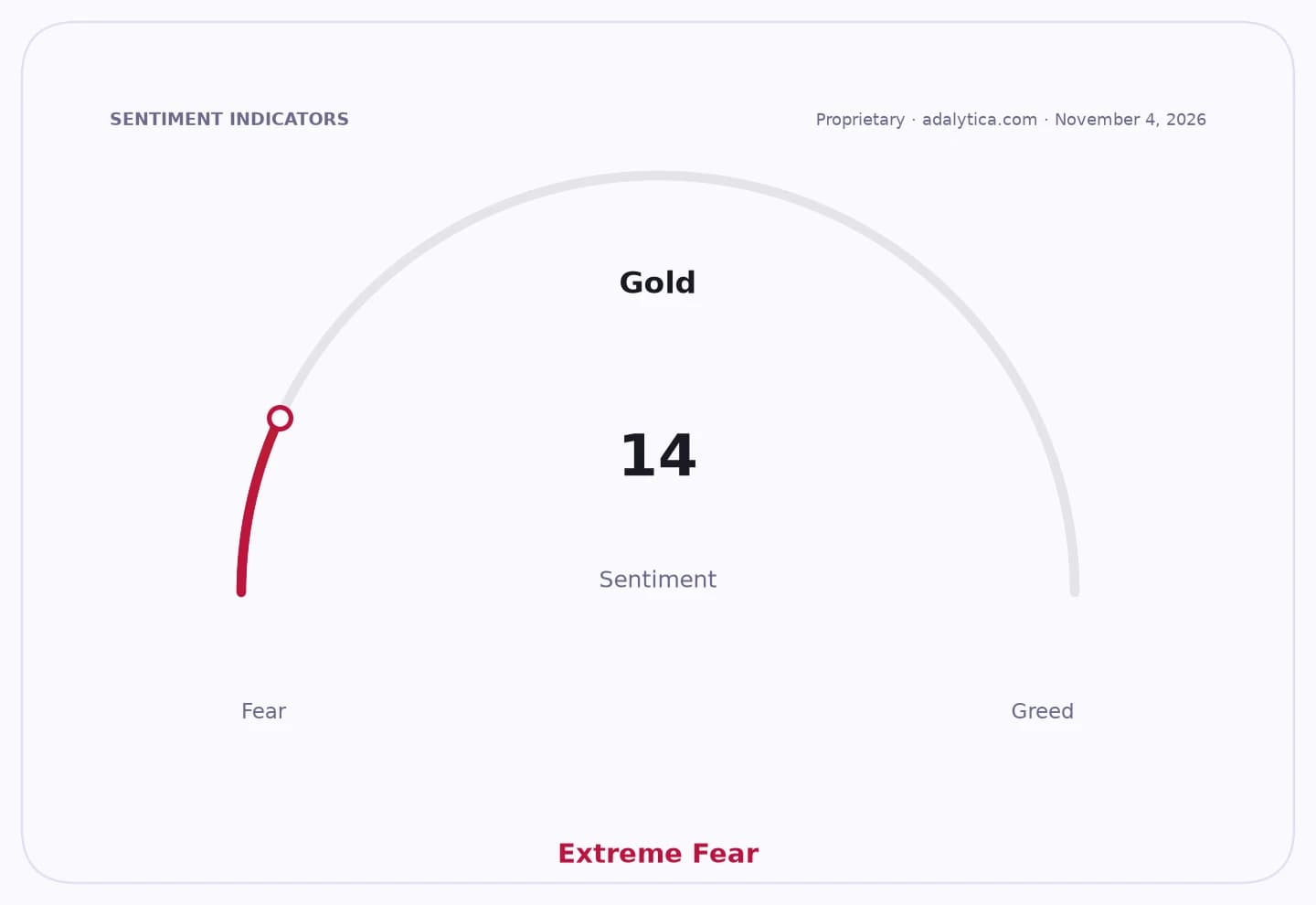
It also has investor relevance beyond the shop floor. Gold has been volatile in recent weeks, with bullion-linked instruments such as GLD, SLV and GDX reflecting sharp swings in sentiment. GLD has recently traded above its 50-day moving average while remaining below its 200-day average, suggesting a recovery that is still not fully established. Silver has been even more erratic, and the miners’ ETF has struggled to hold gains after a strong rally earlier in the year. In other words, the festive buying season is arriving against a backdrop of unsettled prices, which can amplify both demand and the risk of consumer confusion.
The BIS campaign effectively puts pressure on low-transparency sellers and benefits organized jewellers that already comply with hallmarking rules. Consumers gain stronger protection, while those who cut corners on purity or billing stand to lose credibility and sales.
For buyers, the practical message is simple: verify the HUID, ask for a full bill and check every charge before paying. For the market, the larger implication is that as gold demand heats up into the festive season, trust and traceability may matter as much as price.
| Entity | Gains | Losses |
|---|---|---|
| Consumers | ▲Purity protection | ▼Mislabelled purchases |
| BIS-compliant jewellers | ▲Greater trust | ▼Informal sellers |
| Dhanteras buyers | ▲Clear billing | ▼Hidden charges |
| Non-compliant sellers | ▲— | ▼Scrutiny and lost sales |