A new paperwork-based model for buying used gold may help document transactions, but it does not protect jewelers from criminal exposure or financial losses if the metal later turns out to be stolen, according to Saeed Embabi, chief executive of online gold platform iJewelers.
Egypt gold buyers face theft-liability risk
Embabi said a seller’s signed declaration of ownership is not a legal guarantee of clean title and does not prevent police or prosecutors from treating the purchase as a crime if the jewelry is later linked to theft. He said the proposed form from Egypt’s general gold and jewelry chamber is a step toward organizing the market, but it falls short of a full system that verifies identity, checks source and gives traders real legal cover.
Sentiment Indicators
The warning matters for a sector where secondhand gold buying is often used to replenish inventory and capture demand when fresh supply is tight. If a jeweler buys stolen goods in good faith, the item can still be seized and returned to the owner, while the trader may struggle to recover the cash paid to the seller, especially if the seller used forged identification or disappears.
Embabi pointed to Article 977 of Egypt’s civil code, which allows the owner of stolen movable property to recover it from a good-faith holder for up to three years after the theft. He also cited criminal provisions that penalize concealing stolen property when the buyer knew, or was deemed to know, the source was unlawful.
For investors and market participants, the issue lands in a gold market already marked by violent price swings and heightened caution. Spot gold has been volatile, while gold-linked assets such as GLD have oscillated sharply, with the ETF closing at $372.49 on Nov. 4 after trading below its 50-day average and well under its 200-day moving average, a sign of lingering technical weakness despite a recent rebound.
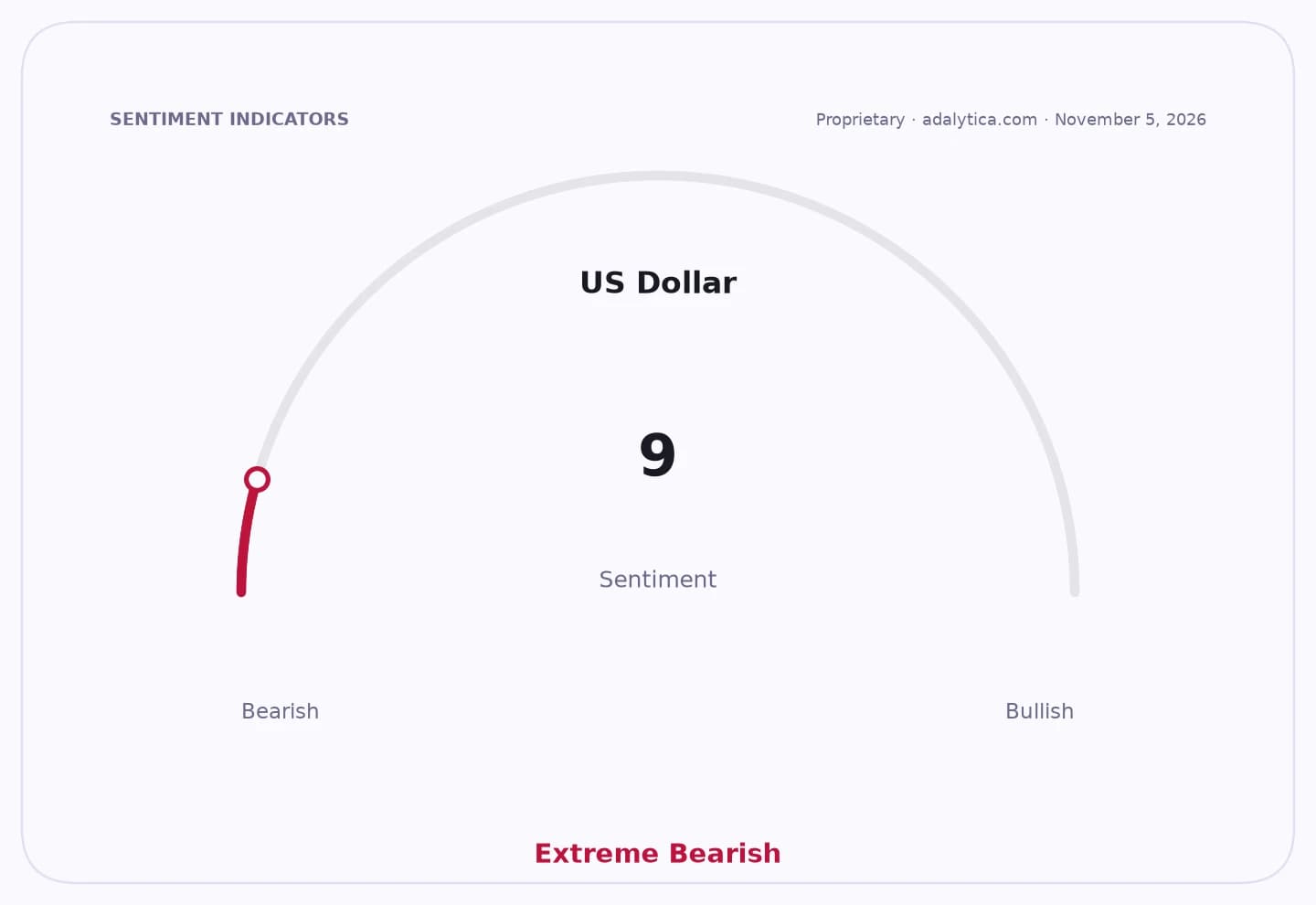
The macro backdrop is also making gold flows more sensitive. Adalytica’s Gold Fear & Greed Index shows “Extreme Fear” at 13, while awareness stands at 100, suggesting heavy attention but weak conviction. The dollar signal also shows “Extreme Fear” at 9, underscoring a jittery environment ahead of festive buying seasons that typically lift bullion and jewelry demand.
Embabi said the paper form still has some value because it records seller details, weights, karat levels, prices and timing, which could help a trader defend a transaction if questions arise later. But he argued that without electronic ID verification, a shared registry of secondhand gold purchases and official access for police and prosecutors, the form cannot remove the legal and cash-flow risks facing jewelers.
That leaves the biggest beneficiaries as regulators and legitimate buyers who want cleaner supply chains, while jewelers remain exposed unless the system moves from signatures to verified records. The next test is whether Egyptian authorities adopt a digital registry and identity-check framework that makes secondhand gold trading both traceable and enforceable.
| Entity | Gains | Losses |
|---|---|---|
| Regulators | ▲Better market traceability | ▼More enforcement burden |
| Jewelers | ▲Documentation of purchases | ▼Theft claims and cash losses |
| Legitimate buyers | ▲Cleaner gold supply | ▼Higher compliance costs |
| Stolen-goods sellers | ▲None | ▼Greater detection risk |