A missing invoice does not automatically block a gold sale in Egypt, but it can slow the transaction and force buyers and sellers into a more formal paper trail that protects both sides.
Egypt gold sales can proceed without invoice
That is the key message from the Gold and Jewellery Division at Egypt’s Federation of Chambers of Commerce, which said consumers who lose the original receipt can still approach the shop where the gold was bought and request a replacement copy if they can provide the purchase date, weight and other identifying details. If the original record cannot be recovered, the buyer can file a loss report with police, which documents the weight and specifications of the jewellery and can be used to support a future sale.
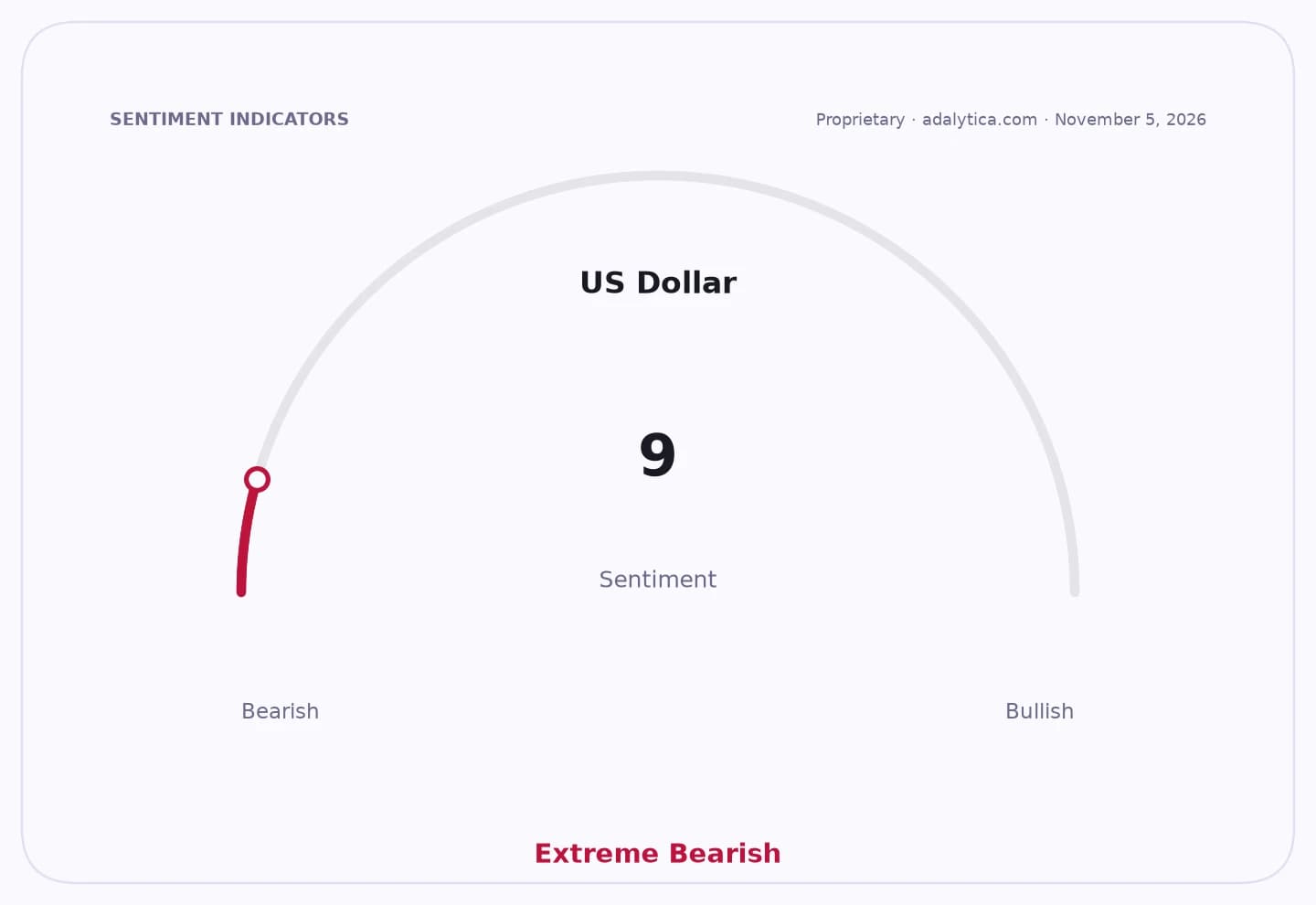
Sentiment Indicators
The distinction matters because gold in Egypt is not just a consumer item but also a store of value and a preferred hedge in an economy shaped by currency stress and recurring inflation concerns. Any clarification on resale procedures affects how easily households can turn bullion or jewellery into cash, and how much friction exists in a market where trust, provenance and paperwork often determine pricing.
The division’s guidance also points to a broader formalization of the domestic gold trade. A police report may help establish good faith and provide the dealer with a reference document, but it is not a full substitute for the original invoice. In practice, that means the seller may still face questions over ownership, timing and valuation, especially if the jewellery was purchased long ago and the retailer no longer has accessible records.
For merchants, the procedure reduces the risk of accepting stolen or disputed goods. For consumers, it offers a path to liquidation without forcing an outright loss of asset value. The trade-off is that the absence of an invoice can still weaken bargaining power, especially in a market where dealers rely on documentation to verify carat, weight and fair pricing.
The issue has added relevance at a time when gold’s role as a reserve asset and household hedge remains strong globally, while central banks have been adding to their holdings at the fastest pace since early 2024. For Egyptian buyers and sellers, the practical question is less about whether gold can be sold and more about how smoothly it can be converted back into cash when documentation is incomplete.
| Entity | Gains | Losses |
|---|---|---|
| Consumers with lost invoices | ▲Can still sell via alternative papers | ▼Face more checks and weaker pricing power |
| Gold shops and dealers | ▲Better verification of ownership | ▼More paperwork and compliance burden |
| Police and formal records | ▲Greater role in documenting disputes | ▼Added administrative workload |
| Households holding gold | ▲More exit options in need of cash | ▼Less seamless liquidity without receipts |