The Dominican peso’s latest official dollar quote shows the currency still trading near RD$60.87 to the greenback, a reminder that dollar liquidity remains a key cost for businesses, importers and households in the Dominican Republic.
Dominican peso trades near RD$60.87 per dollar
The Banco Central de la República Dominicana’s most recent reference rates put the dollar at RD$60.4231 for buying and RD$60.8721 for selling, based on closing transactions from the prior session. That spread matters almost as much as the headline rate, because it is the difference between what a saver receives when selling dollars and what an importer, traveler or company pays when sourcing them.
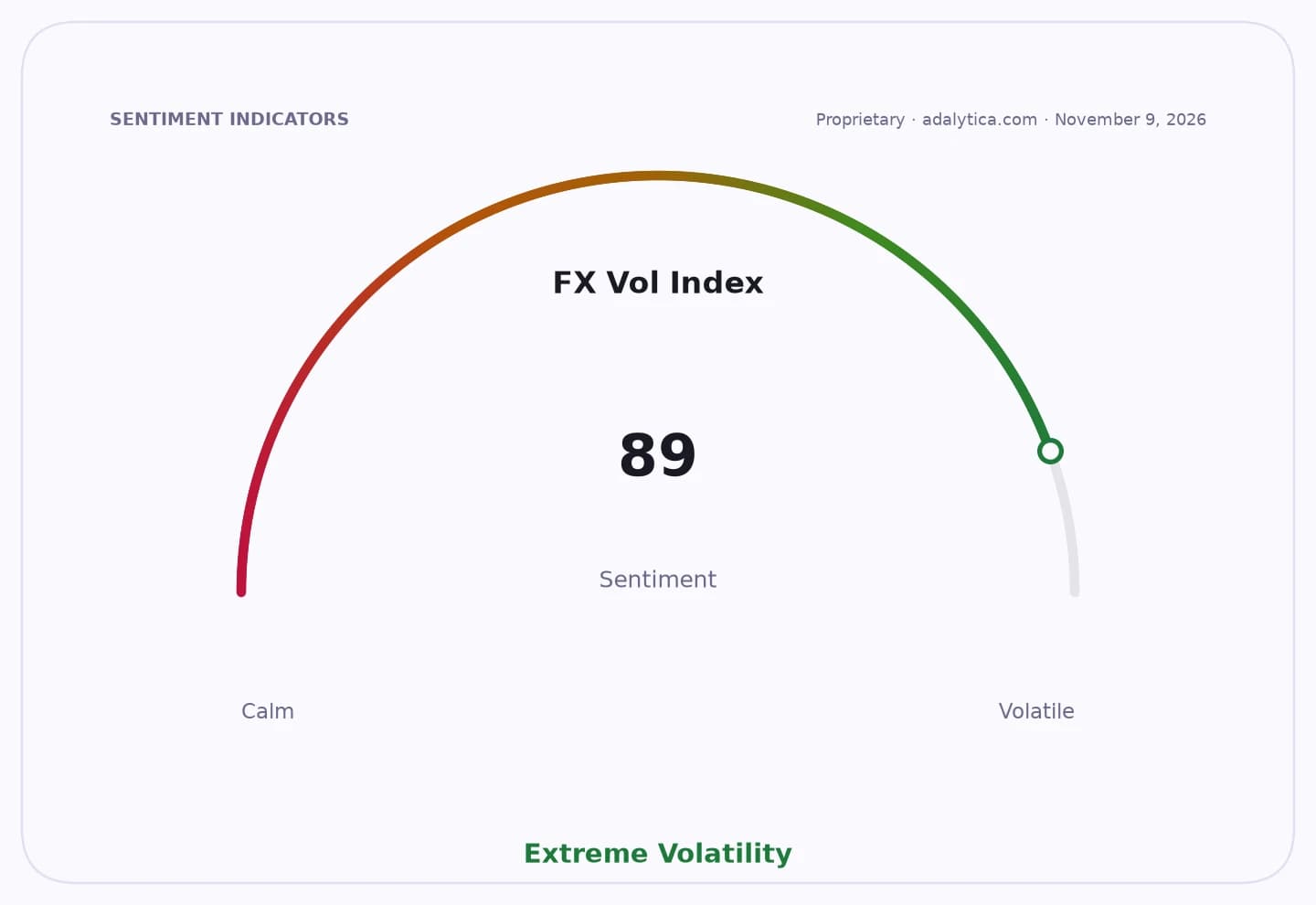
Sentiment Indicators
For investors, the bigger story is not a single daily print but what it says about the economy’s dependence on foreign currency. In a country that relies heavily on imports, remittances and cross-border trade, even modest moves in the peso can ripple through pricing, margins and consumer spending. A stronger dollar raises the local-currency cost of imported goods and inputs, while a weaker peso can also alter the value of dollar-denominated savings and obligations.
That makes the exchange rate especially relevant for sectors with high foreign exposure. Retailers, manufacturers and fuel distributors face pressure when they need to buy inventory or raw materials in dollars, while tourism-linked businesses and companies with hard-currency revenue can get some natural protection. Families receiving remittances also watch the quote closely, since the rate determines how many pesos arrive from abroad.
The central bank’s reference rate is not the same as every bank’s retail quote, and actual transaction prices can differ once commissions and spreads are added. Even so, the official benchmark is the cleanest signal of where the peso stands and how much it costs to access dollars in the formal market.
For long-term investors, the takeaway is simple: currency stability matters because it feeds into inflation, corporate earnings and purchasing power. If the peso stays relatively orderly, it can help preserve margins and support real income. If dollar demand tightens again, the pressure shows up first in import-heavy businesses and eventually at the consumer level. Worth watching.
| Entity | Gains | Losses |
|---|---|---|
| Dollar holders | ▲Higher peso value per dollar | ▼Weaker purchasing power in pesos |
| Importers | ▲None from a stronger peso case | ▼Higher local-currency costs |
| Remittance recipients | ▲More pesos if dollar strengthens | ▼Less peso value if dollar softens |
| Dominican consumers | ▲Stability if FX stays steady | ▼Higher prices if the peso weakens |