Egypt’s decision to impose a final 13% safeguard duty on billet imports has revived a long-running battle over who gets to capture the profit pool in the country’s steel industry — and that matters because it will reshape pricing, margins and supply chains in a market with excess capacity and thin value-added economics.
Egypt imposes 13% billet import safeguard duty
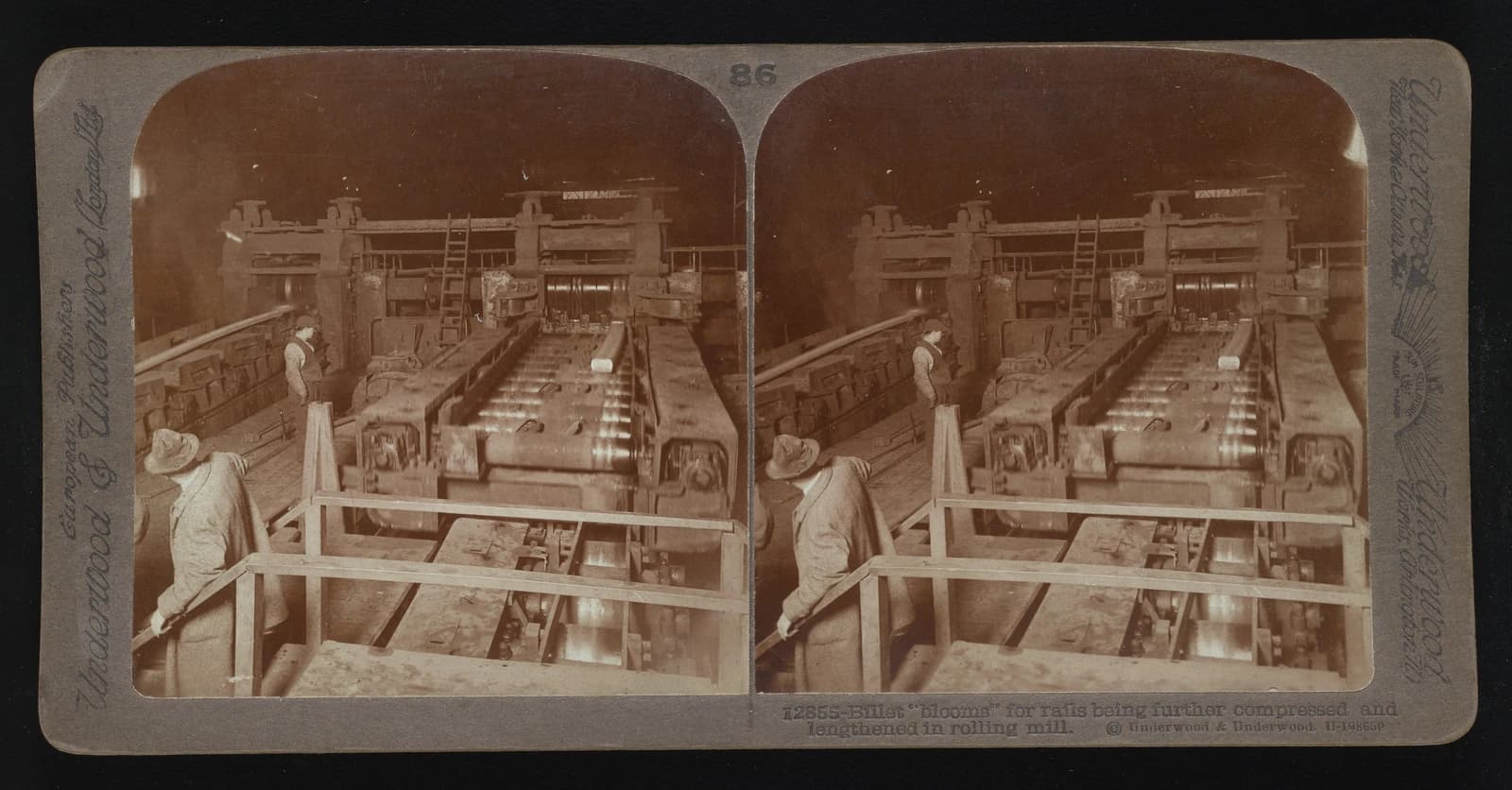
The move is economically significant because billet is not a raw material in the ordinary sense but a semi-finished steel product that sits at the center of the industry’s pricing structure. Integrated and semi-integrated mills argue that cheap imports were undercutting domestic output, while re-rollers say the tariff raises their main input cost and squeezes their ability to compete at home and abroad. In a market where billet typically accounts for 89% to 94% of rebar prices, the margin left to re-rollers is slim even before tariffs, freight and financing costs.
Sentiment Indicators
That is why the ministry’s ruling is not just a trade measure. It is a policy choice about industrial structure. Egypt has about 13.6 million tons of annual billet capacity, but only 8.8 million tons of actual output, leaving roughly 5 million tons of idle capacity. Against that backdrop, the case for protecting domestic billet makers is straightforward: the country already has more theoretical supply than the market needs. The case against the tariff is equally clear: re-rollers need billet every month, and even a 13% duty can materially alter their working capital needs and selling prices.
For investors, the split creates a classic winners-and-losers setup. Integrated producers such as Ezz Steel stand to benefit from better pricing power and a stronger domestic position if the tariff helps channel demand toward local billet. Re-rollers face a tougher stretch, particularly those reliant on imported billet or operating with limited balance-sheet flexibility. The fact that Egypt still imported about 430,000 tons of billet in the January-August 2026 period shows the door remains open to trade — but under less favorable economics for import-dependent mills.
The deeper message is that this is really a fight over the future shape of Egyptian steel, not merely a 13% levy. If domestic billet capacity is underused and local mills can supply most of re-rollers’ needs, the tariff could accelerate consolidation around integrated producers and push weaker re-rollers into a defensive posture. If, however, local pricing rises too far, end-demand for rebar could soften and the tariff may simply redistribute pain through the chain rather than create durable industry strength.
That makes the investment case asymmetric. The market should look for the companies with integrated feedstock, local scale and pricing discipline, while treating import-dependent re-rollers as the fragile link in the chain. In a global steel environment already pressured by weak iron ore, soft demand and overcapacity, Egypt’s billet tariff is a reminder that policy can still decide who captures the next leg of value. For investors, the higher-conviction trade is to own the integrated side of the steel equation and avoid businesses that live on thin conversion margins and imported inputs.
| Entity | Gains | Losses |
|---|---|---|
| Integrated steel mills | ▲Better billet pricing | ▼Less import competition |
| Re-rollers | ▲Open import access | ▼Higher input costs |
| Ezz Steel | ▲Stronger domestic positioning | ▼Tariff criticism |
| Egyptian rebar market | ▲Local supply support | ▼Higher cost pressure |