Egypt’s building materials market opened the week with a sharper split in construction costs, as iron prices edged higher while grey cement fell the most among key inputs, a combination that could slightly ease pressure on small builders but still leaves project budgets vulnerable to volatility.
Egypt iron prices rise as grey cement falls
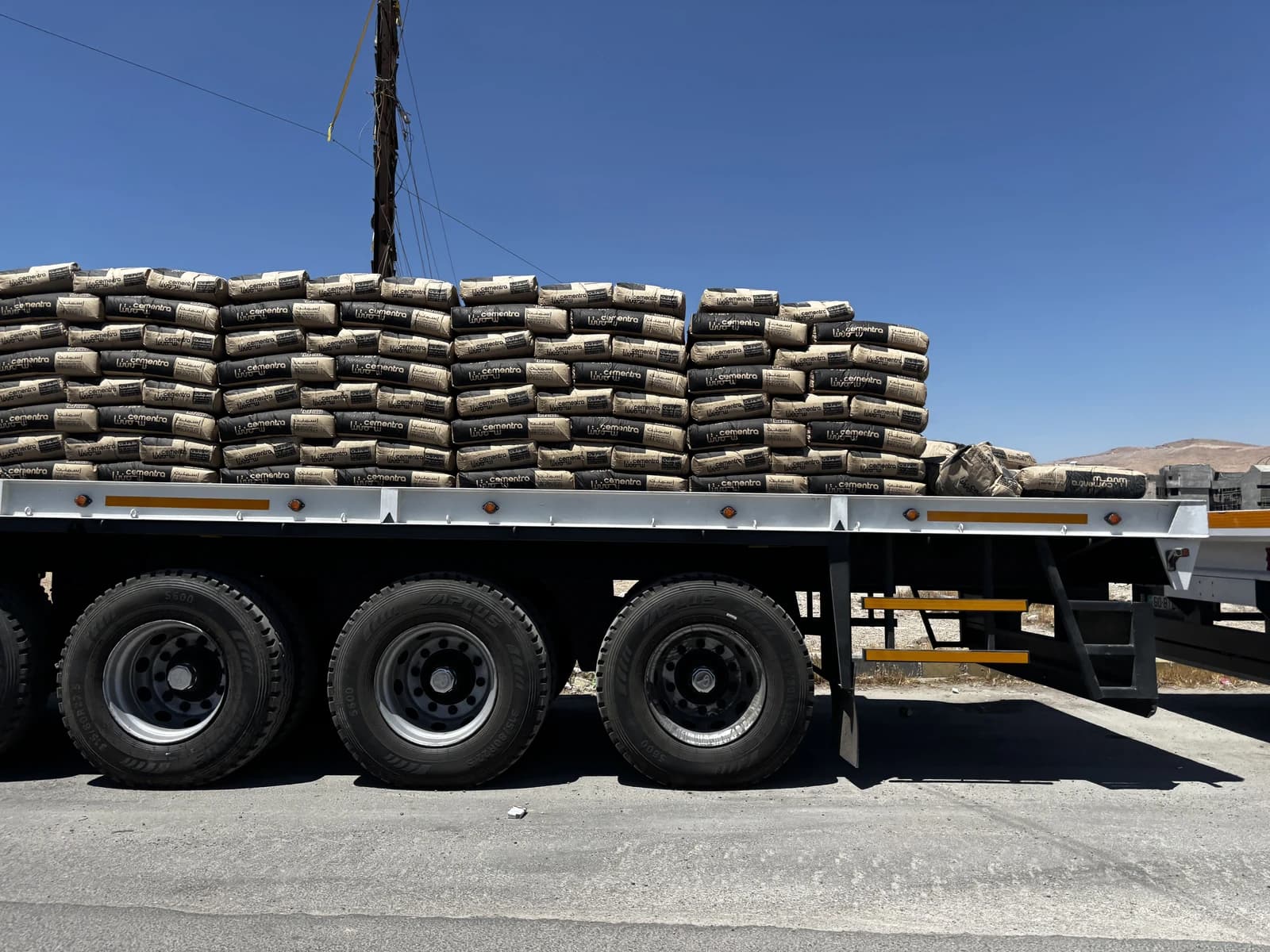
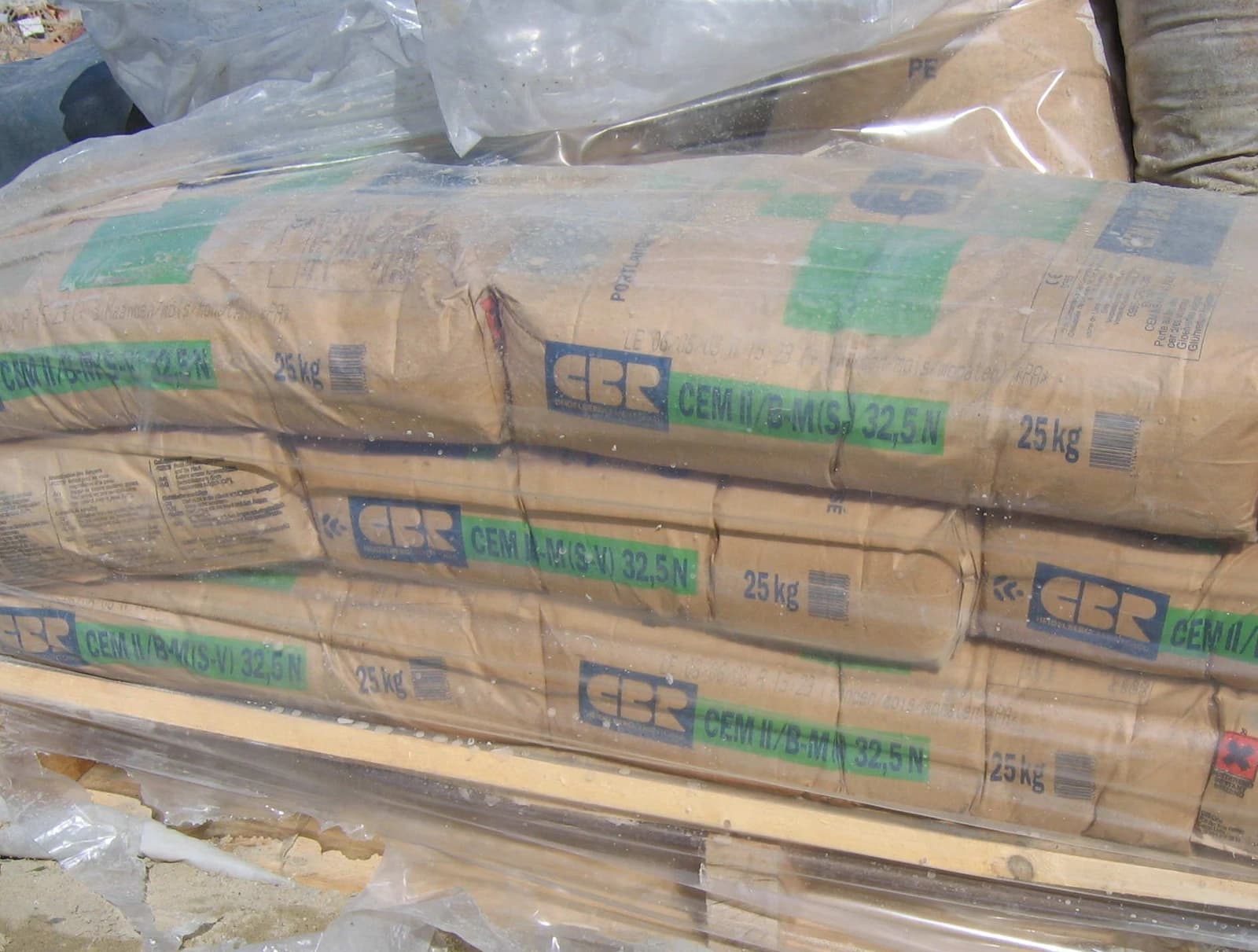
The average price of an investment-grade ton of iron rose to 38,869.23 Egyptian pounds, up 132.39 pounds, or 0.34%, according to the government’s local and international price portal. Ezz Steel’s average ton price also climbed, to 41,389.36 pounds, a gain of 129.79 pounds, or 0.31%. By contrast, the average price of a ton of grey cement dropped to 3,940 pounds, down 146.36 pounds, or 3.58%, the clearest decline among major construction materials.
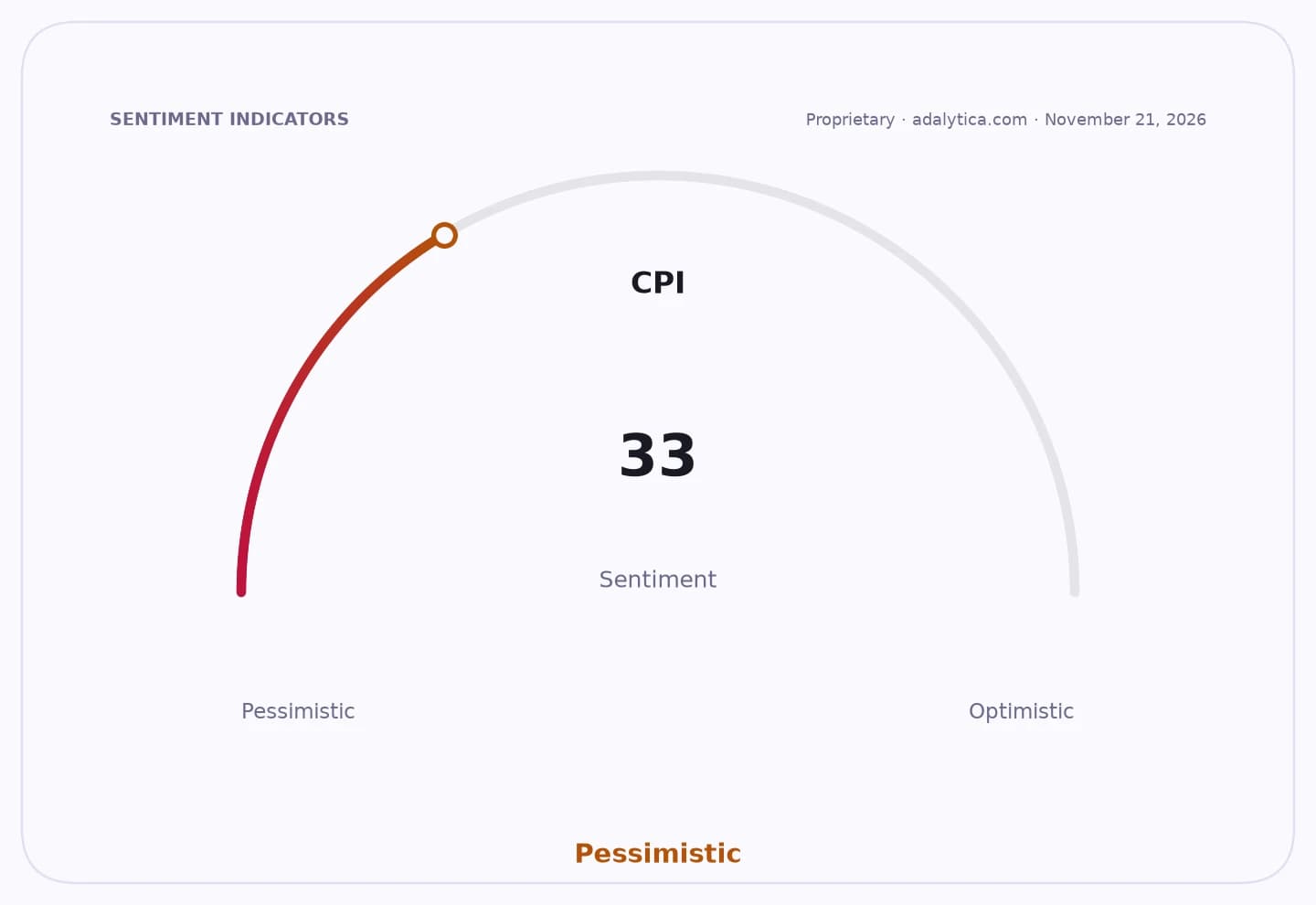
Sentiment Indicators

For Egypt’s construction sector, the direction matters more than the daily move. Steel and cement account for a large share of structural costs, so even small changes can ripple through bids, cash-flow planning and mortgage-linked housing economics. A softer cement price may give contractors a modest break on near-term procurement, but the slight rise in iron keeps the broader cost picture uneven and difficult to forecast.
That volatility is especially important in a market where developers and private builders often work on tight margins and fixed-price contracts. When input prices move in different directions, contractors face a squeeze: they may not fully pass through higher steel costs, while a drop in cement does little to offset labour, transport and financing expenses. The result is often delayed starts, redesigns or slower execution rather than a clean decline in total building costs.
The latest move also underscores the sensitivity of Egypt’s construction cycle to supply conditions and regional demand. Local prices vary by governorate and dealer, and transport costs can magnify differences. For investors, the message is that there is no broad-based easing in materials inflation yet — just a mixed set of price signals that complicate earnings visibility for builders, traders and suppliers.
That matters for listed construction-exposed names as well as for the wider housing market. Any sustained decline in cement would support project affordability and volumes, but the persistence of firmer steel pricing suggests margins remain exposed if demand weakens or financing costs stay elevated. Until both key inputs move lower together, the sector is likely to remain in a stop-start pricing environment rather than a true downcycle.
| Entity | Gains | Losses |
|---|---|---|
| Cement buyers | ▲Lower procurement costs | ▼Suppliers’ pricing power |
| Iron suppliers | ▲Slightly firmer pricing | ▼Builders facing cost pressure |
| Contractors | ▲Marginal relief on cement | ▼Budget certainty |
| Housing developers | ▲Lower immediate input bill | ▼Project margins from steel costs |