A simple deed can make the difference between a painful tax bill and a near-total step-up in basis when a parent gives the family home to adult children and keeps living there.
Estate Tax Basis Step-Up After Home Transfer

That is the practical lesson for estate-planning investors, and it matters because the wrong paperwork can turn a family’s most valuable asset into a capital-gains problem. In the example described, a widow bought a house for $95,000 in 1985, deeded it to her son and daughter, and later died after the property had risen to $700,000. Without a retained life estate, the children would generally take her old basis and could owe tax on roughly $302,500 of gain each if they sold.
Sentiment Indicators
The tax code draws a sharp line between an outright gift and a transfer with a retained life estate. Under gift rules, heirs usually inherit the donor’s basis, which can create a large taxable gain once the property is sold. But when the original owner keeps the right to occupy the home for life, section 2036 can pull the property back into the estate at death, allowing a stepped-up basis to fair market value and often wiping out most or all of the capital gains tax on a later sale.
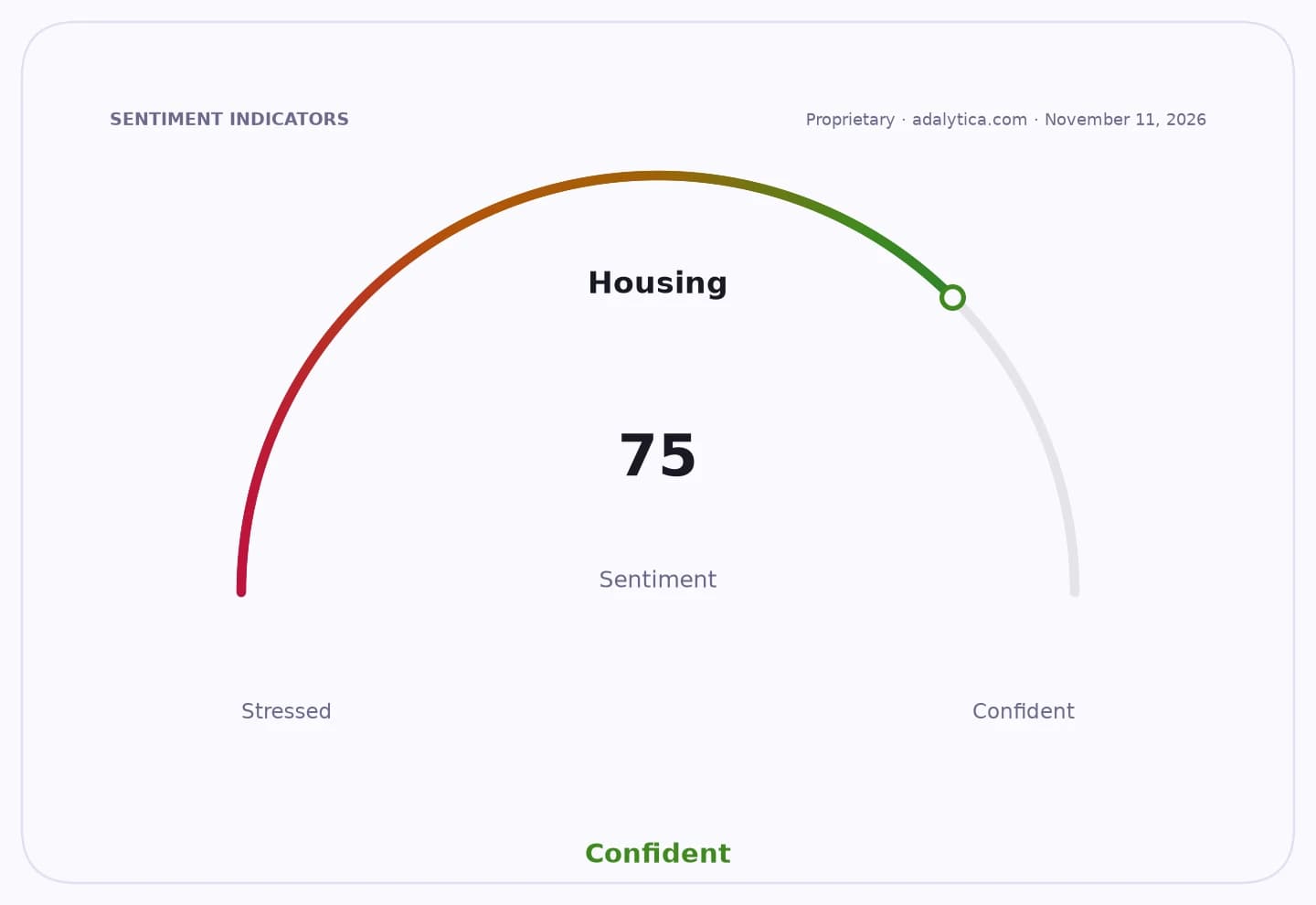
For investors, this is not just a family-law footnote. Housing remains one of the biggest stores of wealth for U.S. households, and the tax treatment of that wealth can determine how much passes to the next generation. With housing values still elevated and sentiment around the sector swinging sharply, families that expect to transfer property should be thinking less about a quick deed signing and more about long-term tax efficiency.
The trade-offs are real, though, and they matter. A life estate can make the home harder to sell or refinance because the children and the parent’s rights are tied together. It can also expose the remainder interest to a child’s creditors. So while the structure can be powerful for basis planning, it is not a one-size-fits-all answer.
That is why the broader takeaway is straightforward: estate planning for real estate should be treated like any other investment decision, with the tax consequences weighed before the transfer, not after. For families with appreciated property, the right structure can preserve wealth for heirs; the wrong one can hand the IRS an avoidable win. Worth watching, and worth discussing with an estate attorney before the deed is signed.
| Entity | Gains | Losses |
|---|---|---|
| Heirs with stepped-up basis | ▲Lower capital gains tax | ▼Less flexibility in ownership |
| IRS | ▲Receives more tax on bad transfers | ▼Loses revenue when basis steps up |
| Parents using life estates | ▲Probate avoidance | ▼Reduced control over the property |
| Child creditors / lenders | ▲None | ▼Harder collection and financing |