Homeowners are set to get a much friendlier tax break on home sales from 2027, a change that could make it easier for long-time owners to sell and keep more of the profit, even as local governments lean harder on property taxes to fund budgets.
Home sales tax break from 2027 could boost listings
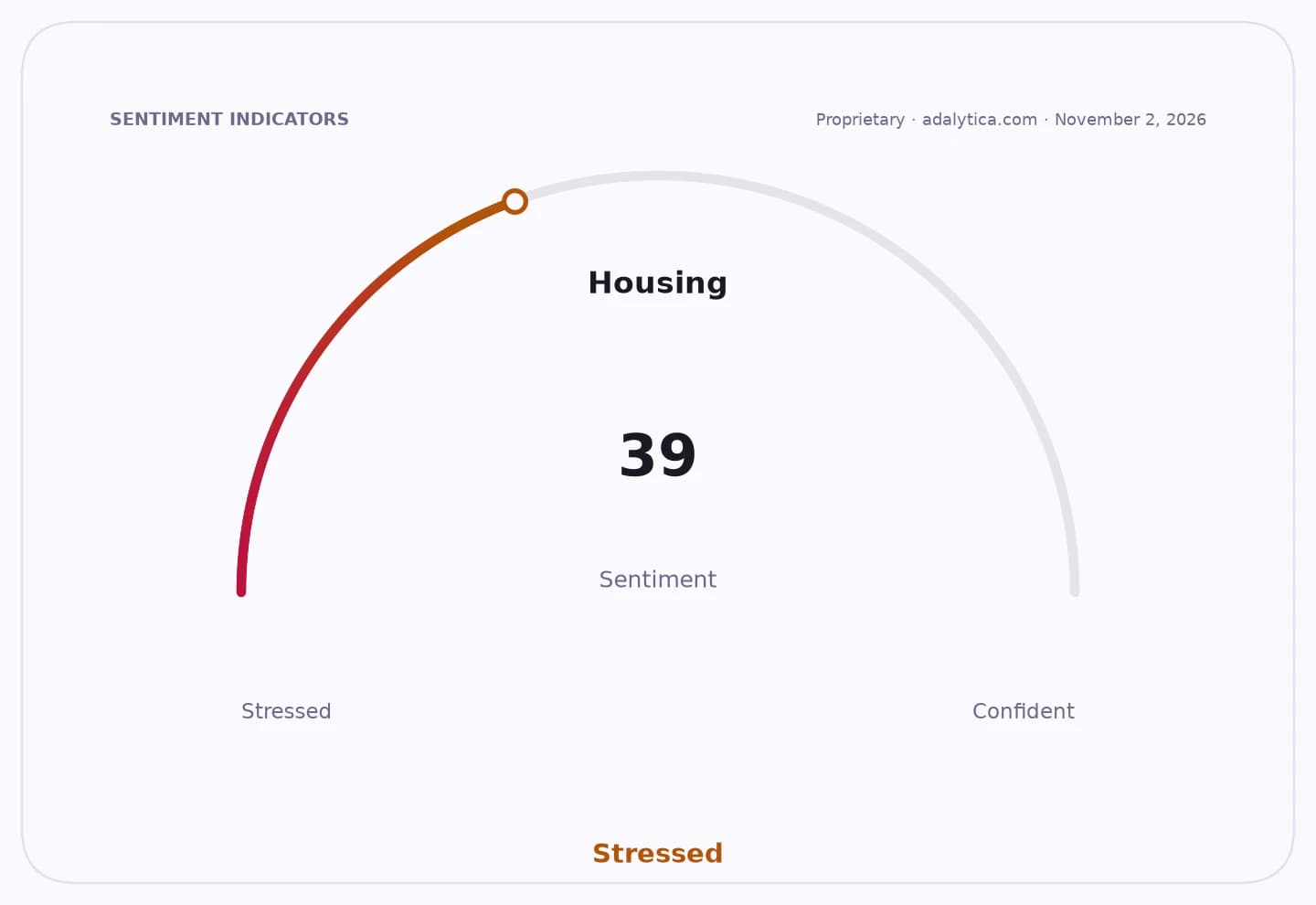
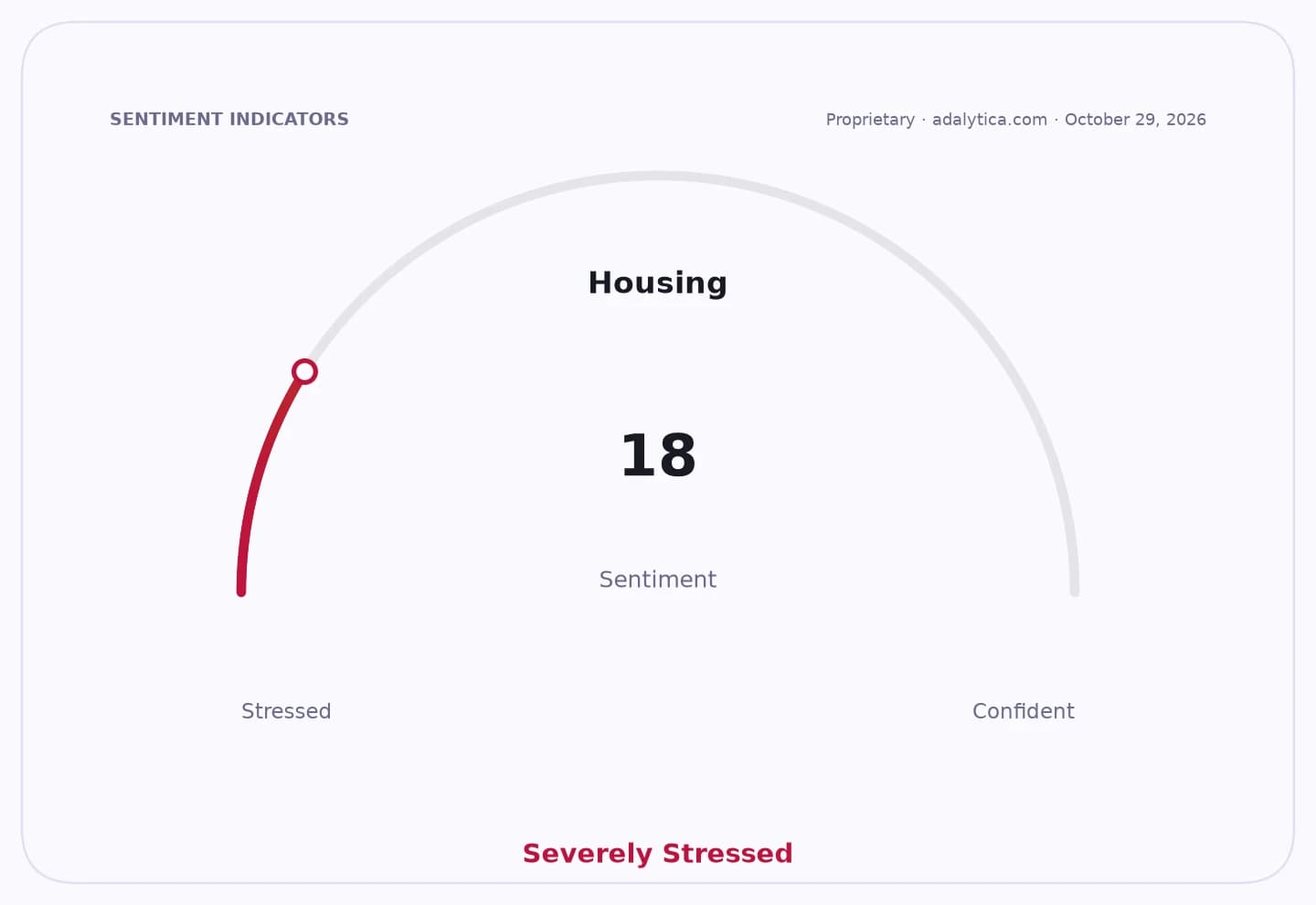
Housing
That matters because housing affordability has been strained by high borrowing costs, sticky prices and a shortage of inventory. Any policy that lowers the tax friction on selling a home can help unlock supply, especially for older owners who have been reluctant to move because of capital gains concerns. For investors, the shift is a reminder that housing policy is now pulling in two directions: Washington is making it more attractive to sell, while municipalities are trying to squeeze more revenue out of land and property.
Sentiment Indicators
The economic backdrop is still mixed. U.S. home sales remain well below the frenzy of the pandemic years, with one broad home-sales series forecast to edge up to 1.278 million in October from 1.221 million in September, but still far from a true rebound. Home prices, meanwhile, continue to grind higher, with a national price index at 337.262 in July and a further reading of 336.741 in August. That combination — lower transaction volume but resilient prices — is exactly the kind of market where tax rules can shape behavior at the margin.
For investors, the most direct read-through is to housing-related stocks and the broader real estate ecosystem. Homebuilder funds such as ITB and XHB have already shown how sensitive the sector is to shifts in rates and policy, while platforms tied to listings, mortgages and transactions stand to benefit if more existing owners decide to list. Zillow, for example, has said higher mortgage rates and seasonality are weighing on its mortgage business, underscoring how thin the market can be when owners stay put. More inventory would help brokers, portal operators and service providers, even if it also intensifies competition for buyers.
The tax changes are also landing alongside a wider scramble by local governments to raise revenue. Some are trimming taxes to support activity, while others are proposing higher property levies, including fresh hikes that could pressure landlords and investors more than owner-occupiers. That split is important: the housing market is not just about prices and rates, but about who gets taxed, who gets relief and who has the balance sheet flexibility to absorb the changes.
For long-term investors, the takeaway is simple. Housing is still one of the most policy-sensitive parts of the economy, and the winners are likely to be the companies that benefit from more turnover, not just higher prices. Keep an eye on transaction volume, mortgage demand and local tax policy — because the next big move in housing may come from the tax code, not the Fed.
| Entity | Gains | Losses |
|---|---|---|
| Homeowners selling in 2027 | ▲Higher after-tax proceeds | ▼Less tax friction |
| Homebuyers and agents | ▲More listings and deal flow | ▼Higher competition for inventory |
| Housing platforms like Zillow | ▲More transactions to monetize | ▼Fewer locked-up sellers if supply rises |
| Local governments raising property taxes | ▲More revenue | ▼Affordability pressure for owners |