Ontario’s new-home market has snapped back sharply, with sales rising 61% in the third quarter as a provincial HST rebate program continued to pull buyers off the sidelines and revive momentum in Canada’s largest housing market.
Ontario new-home sales rise 61% on HST rebate
That matters because housing is a major transmission channel for the Canadian economy: when buyers return, builders hire, land values firm and related spending on financing, materials and furnishings starts to turn higher. In a market that has been held back by affordability pressure and stubbornly high borrowing costs, the rebate is acting less like a short-term giveaway and more like a demand catalyst that is restoring transaction volume where it had gone missing.
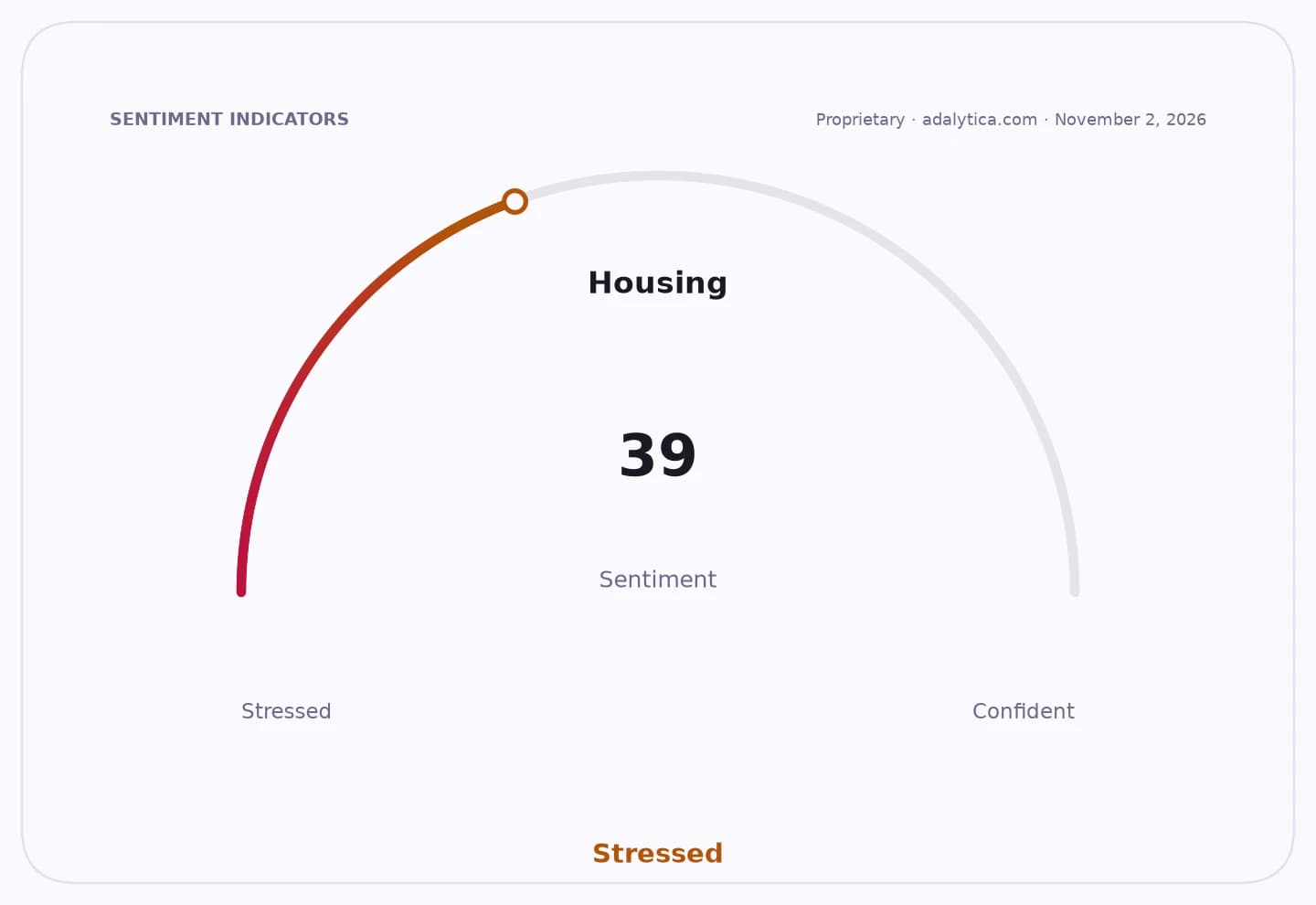
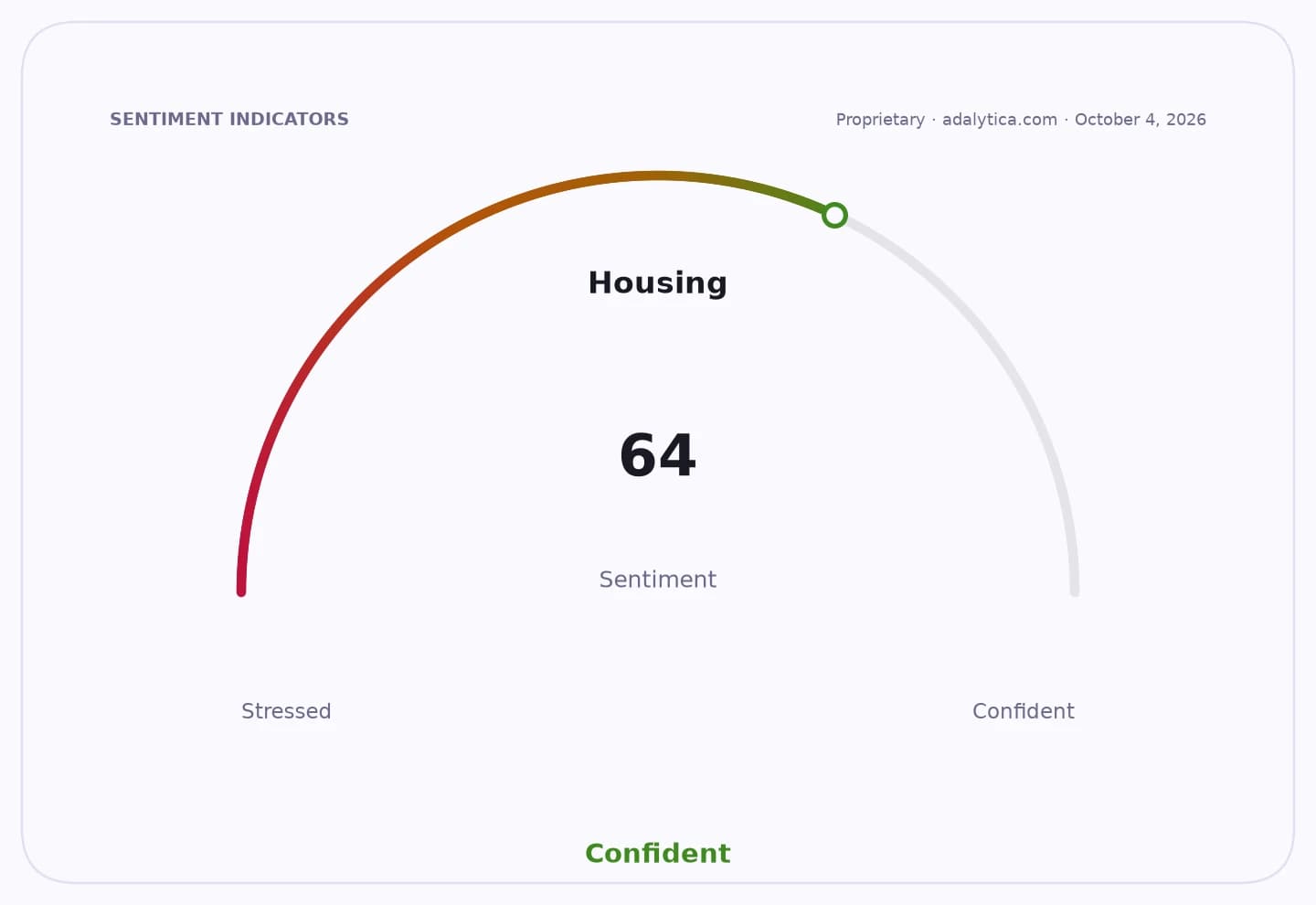
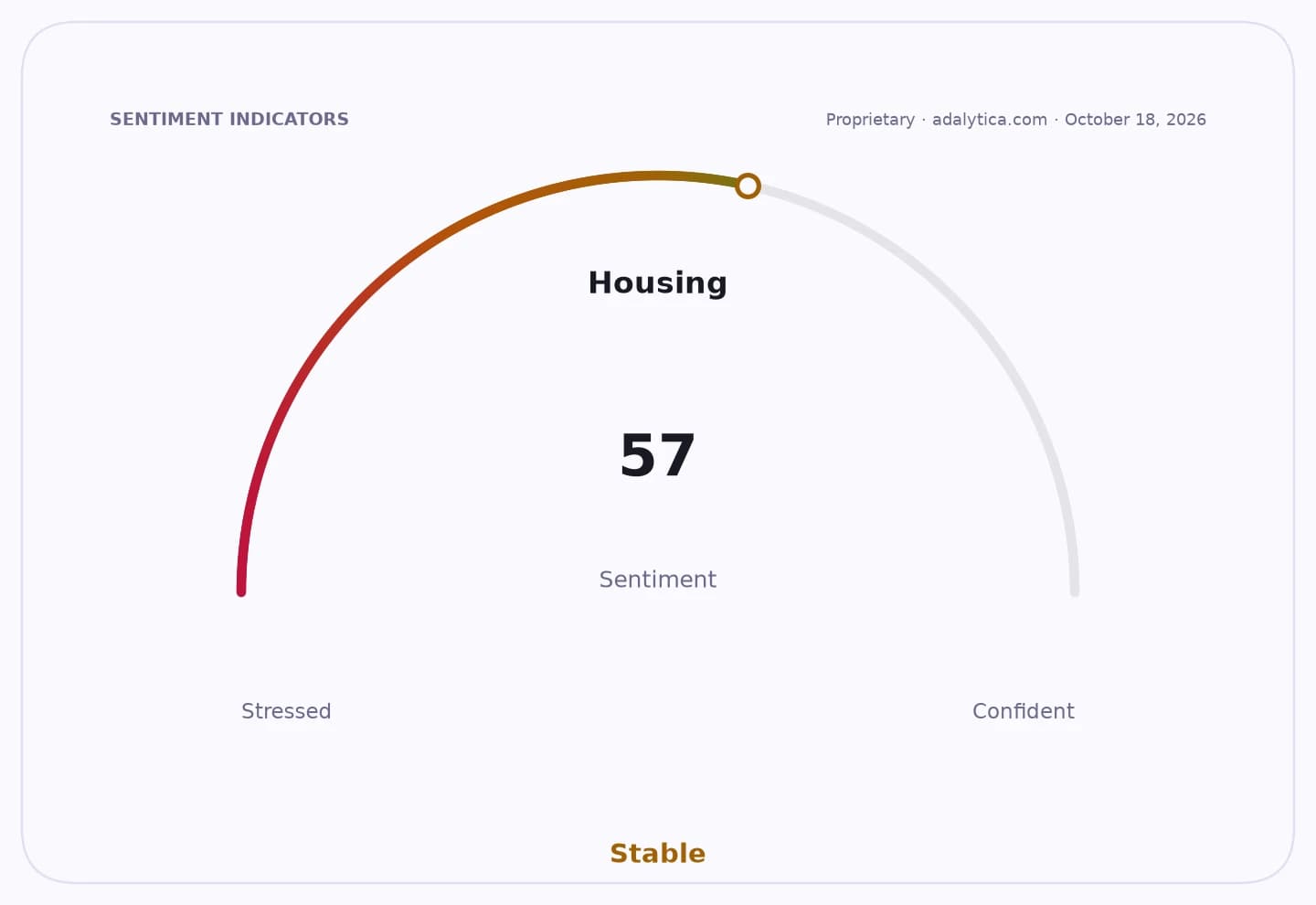
Sentiment Indicators
The broader data underscore how uneven the recovery remains. New home sales across Ontario climbed to 1,221 in September from 1,288 in August and 1,369 in July, after a much weaker 1,182 in May. The rebound is encouraging, but it is not a full-throttle boom; it is a policy-assisted normalization in a market that is still working through affordability constraints and cautious buyer psychology.
For investors, that makes the housing complex one of the cleaner ways to play a domestic demand turn. Builders, land developers, mortgage lenders and selected home-improvement names are the most direct beneficiaries if the rebate keeps converting into sales rather than just inquiries. Homebuilder ETFs have already reflected the push-pull in sentiment, with the U.S.-listed XHB and ITB both swinging around their 50-day and 200-day moving averages as traders reposition around rate expectations and housing affordability. Toll Brothers and other premium builders have also shown the market is willing to pay for any evidence that demand is stabilizing, even in a higher-rate world.
The trade here is not that Ontario housing is suddenly cheap, but that policy can matter a lot when the market is this rate-sensitive. A rebate lowers the effective purchase price, improves closing economics and can unlock demand that would otherwise stay parked. If that dynamic holds into year-end, the second-order winners are obvious: construction activity, mortgage origination, renovation spending and local consumer confidence.
The key test now is whether the sales lift becomes durable enough to outlast the program’s initial burst. If it does, Ontario’s housing rebound could become one of the clearest domestic growth stories in Canada, and one of the better overlooked ways to express a recovery in real assets.
| Entity | Gains | Losses |
|---|---|---|
| Ontario homebuilders | ▲Higher sales volume | ▼Buyers waiting for cheaper prices |
| Mortgage lenders | ▲More originations | ▼Lenders in stagnant markets |
| Land developers | ▲Better pricing power | ▼Sellers of resale inventory |
| Homebuyers | ▲Lower effective cost | ▼Cash-strapped households without access |