Ethereum Classic’s long slide has turned what was once a speculative bet on a legacy proof-of-work blockchain into a case study in capital destruction, with a $1,000 investment five years ago now worth roughly $330. That kind of drawdown matters because it captures the core risk investors still face in smaller crypto assets: weak network adoption, thinning liquidity and an inability to keep pace with the market’s leaders can erase most of the upside even when broader digital-asset prices recover.
Ethereum Classic trades at $6.62 after five-year slide
At about $6.62 on Aug. 3, Ethereum Classic was trading near the bottom of its recent range, after a year that included a drop to $6.51 on Aug. 1 and a brief rebound from a much deeper selloff. The token remains below its 50-day moving average of roughly $7.01 and its 200-day moving average of $8.35, a sign that the downtrend has not been broken. Its relative strength index at 42.4 suggests the coin is no longer deeply oversold, but it is still far from the momentum typically needed to sustain a durable rebound.
Sentiment IndicatorsⓘProprietary · adalytica.com · August 3, 2026
This is a snapshot — live sentiment, awareness and momentum for 130+ markets update continuously in the dashboard.Open AlphaPulse
The broader message for the crypto market is that not all digital assets rise and fall together. Bitcoin, at about $63,810, has held far above Ethereum Classic in terms of market relevance and liquidity, even though Bitcoin itself has also seen a correction from much higher levels. Ethereum, meanwhile, was trading near $1,866, a reminder that the larger smart-contract network continues to command capital, developer attention and institutional interest that Ethereum Classic has struggled to match.
That divergence explains why the opportunity cost of owning Ethereum Classic has been so severe. Over five years, a holder in ETC has absorbed not just price losses but also the structural underperformance of a network that has failed to attract the same scale of use or speculative demand as Bitcoin and Ethereum. The token’s recent technical picture reinforces that view: the 50-day average sits below the 200-day average, and the price is hovering near the lower end of its Bollinger Band range, both signs of persistent weakness rather than a new accumulation phase.
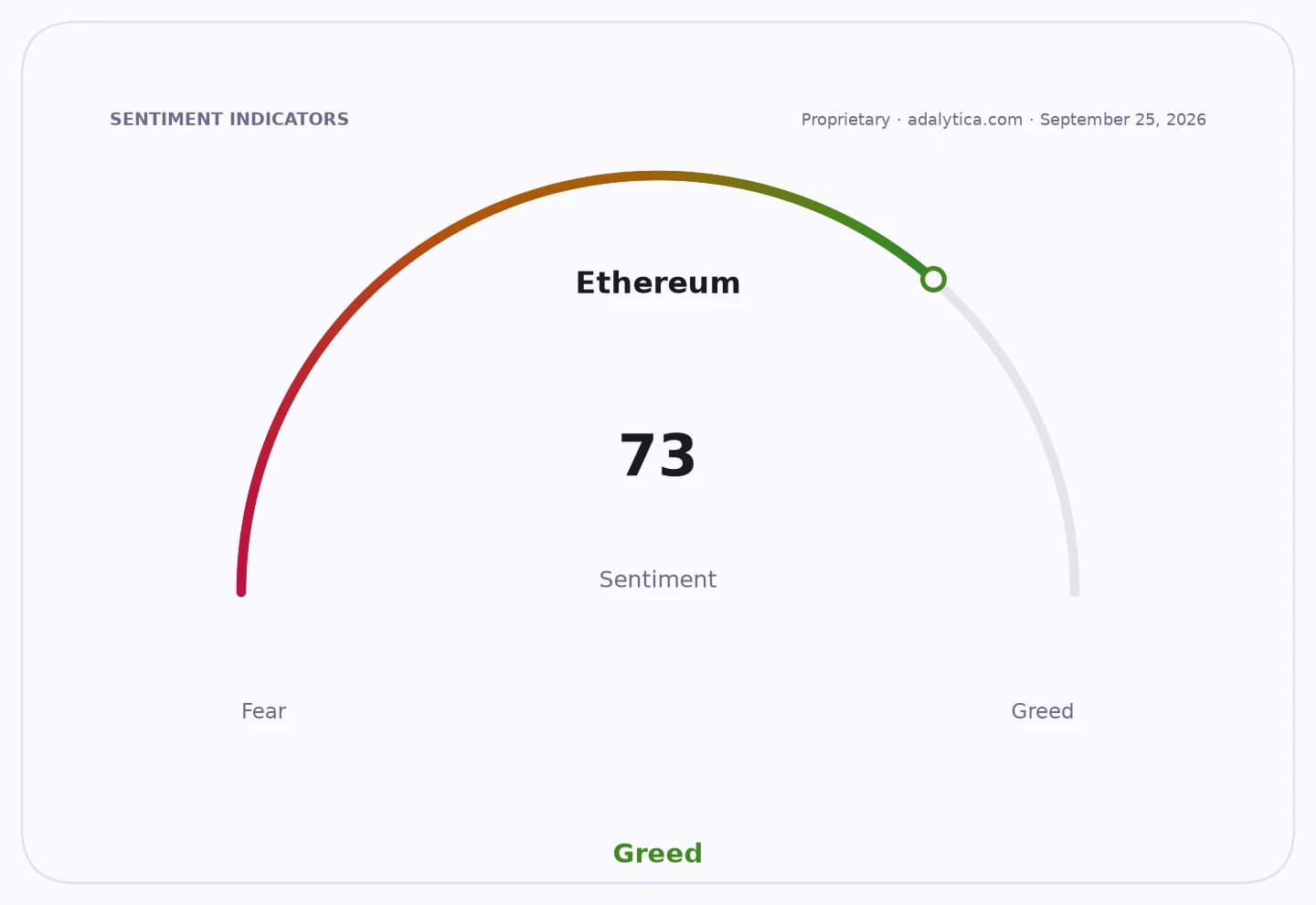
For investors, the lesson is less about one coin and more about portfolio selection in crypto. Smaller, less liquid tokens can deliver explosive gains in short bursts, but they also carry a much higher probability of permanent capital impairment if the market narrative moves elsewhere. That risk is especially acute in a sector where sentiment can turn quickly; Bitcoin sentiment in Adalytica’s Fear & Greed snapshot was in “Fear” territory, while Ethereum was only “Neutral,” underscoring how fragile risk appetite remains across digital assets.
The next catalyst for Ethereum Classic would likely have to be more than a market bounce. It would need a clear improvement in adoption, liquidity or relative performance versus the major cryptocurrencies. Until then, the five-year return profile will continue to serve as a warning for investors chasing lower-profile crypto names without a strong fundamental case.
| Entity | Gains | Losses |
|---|---|---|
| Bitcoin holders | ▲Relative capital resilience | ▼Less upside from altcoin rallies |
| Ethereum holders | ▲Network leadership and liquidity | ▼Higher absolute price volatility |
| Ethereum Classic holders | ▲Lower entry cost for new buyers | ▼Heavy long-term capital losses |
| Risk-averse crypto investors | ▲Clearer quality bias | ▼Fewer speculative opportunities |