The European Union is moving to clamp down on the in-game currency mechanics that free-to-play publishers use to nudge players toward spending, a shift that could force some of the industry’s biggest mobile titles to reconsider their business models and, in the most extreme case, push games such as Clash of Clans into stricter age categories.
EU Targets In-Game Currency in Free-to-Play Games
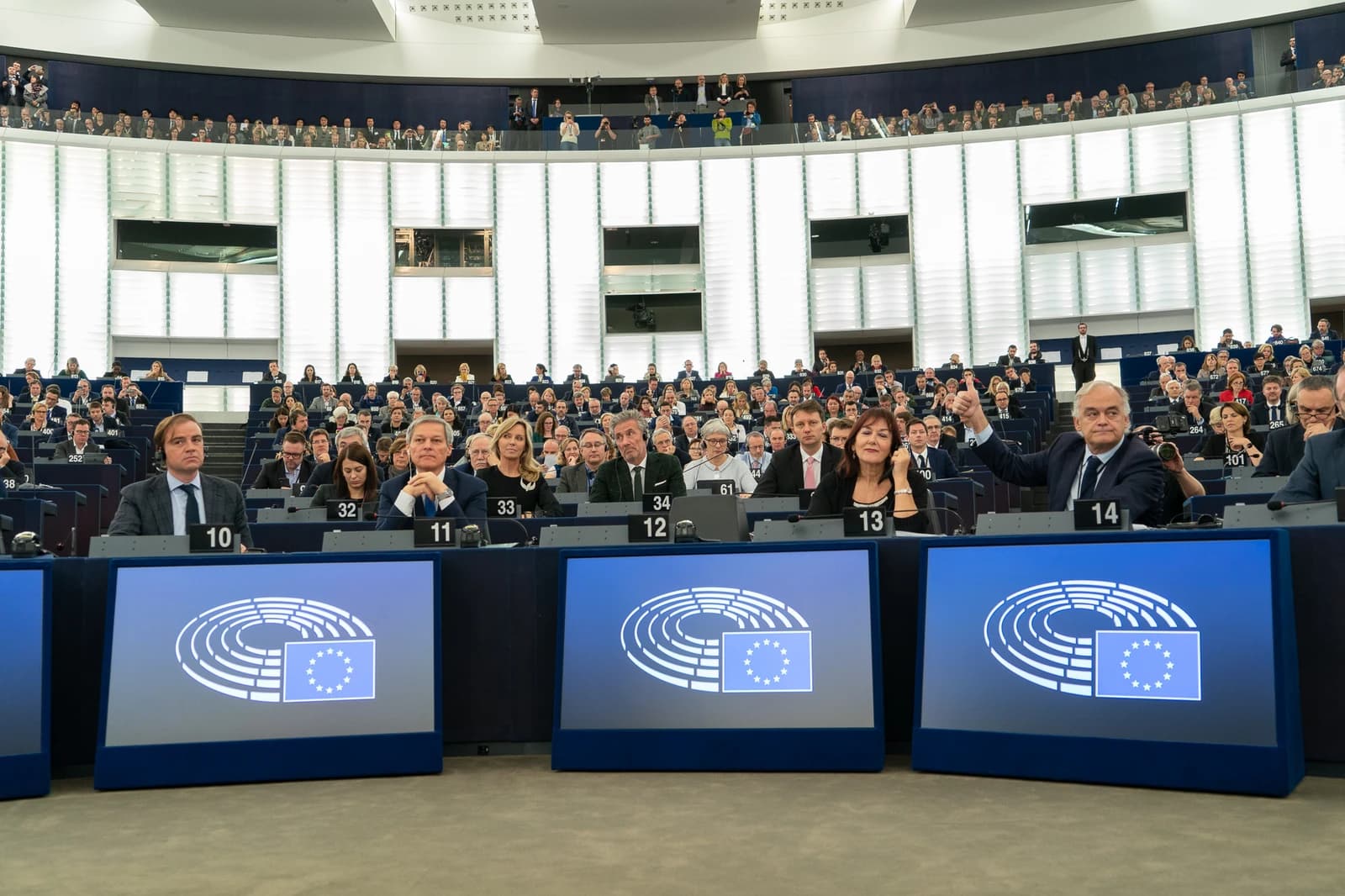
That matters because the EU is not targeting a minor feature but one of the most profitable monetization tools in gaming: the staggered drip of virtual currency that is easy to earn at first, then increasingly scarce until players are encouraged to buy more. For publishers, especially mobile-first groups, that system sits at the core of lifetime revenue per user. If Brussels defines those mechanics as problematic for minors, the result could be tighter disclosures, redesigns of reward loops, lower conversion rates and higher compliance costs across a sector that depends heavily on digital spending.
Sentiment Indicators
The regulatory pressure is aimed at what lawmakers see as psychological design rather than a simple payment method. The mechanics work by giving players an early sense of progress through generous awards, then slowing the pace enough to make purchases feel like the fastest route back to momentum. Critics say the model is particularly effective on children and teenagers, who may be less able to judge the value of virtual money and the real-world cost of repeated microtransactions.
For investors, the issue is less about one title than about the durability of a monetization model that has powered much of the industry’s growth over the past decade. Take-Two Interactive, for example, derives almost all of its revenue from digital channels, underlining how much large publishers have come to depend on online spending and in-game purchases. If EU rules broaden the definition of manipulative design, the risk is not just weaker spending in Europe but a precedent that could spread to other jurisdictions.
The market is already sensitive to that kind of policy risk. Take-Two’s stock has been volatile in recent sessions, falling below its 50-day moving average earlier this month before rebounding, while technical readings showed the shares recovering from oversold levels. But technical strength can only do so much if regulation begins to pressure the economics of mobile and live-service games, where small changes in conversion rates can have an outsized effect on margins.
The bull case is that major publishers adapt quickly, reworking reward systems, increasing transparency and shifting more spending toward cosmetics, subscriptions or less controversial progression paths. The bear case is that stricter rules reduce monetization efficiency, hurt player engagement and force developers to choose between lower revenue and fewer young users. Either way, Brussels is signalling that the economics of free-to-play gaming may be entering a more constrained phase, with the biggest winners likely to be consumer advocates and the biggest losers the publishers that have built their mobile businesses around frictionless microspending.
| Entity | Gains | Losses |
|---|---|---|
| EU regulators | ▲Stronger child protection | ▼Less industry freedom |
| Parents and minors | ▲Fewer manipulative mechanics | ▼Less access to existing game designs |
| Game publishers | ▲Clarity if rules are uniform | ▼Lower conversion, higher compliance costs |
| Mobile free-to-play titles | ▲Potential redesign toward safer monetization | ▼Risk of age-rating changes and revenue pressure |