The European Central Bank’s plan to put the digital euro into full circulation in 2029 marks the clearest timetable yet for a wholesale rethink of how money moves across the bloc, with the pilot phase slated for the second half of 2027.
ECB digital euro timeline points to 2029 launch

That matters because the project is no longer a theoretical policy debate. It is moving onto a clock. A 2029 launch would give Europe time to finish the legislative process, build the required infrastructure and settle the political questions around privacy, fees and access that have slowed the currency’s progress for years. For investors, the shift points to a longer-term redistribution of power in payments, with banks, card networks and fintechs facing a new public competitor backed by the ECB.
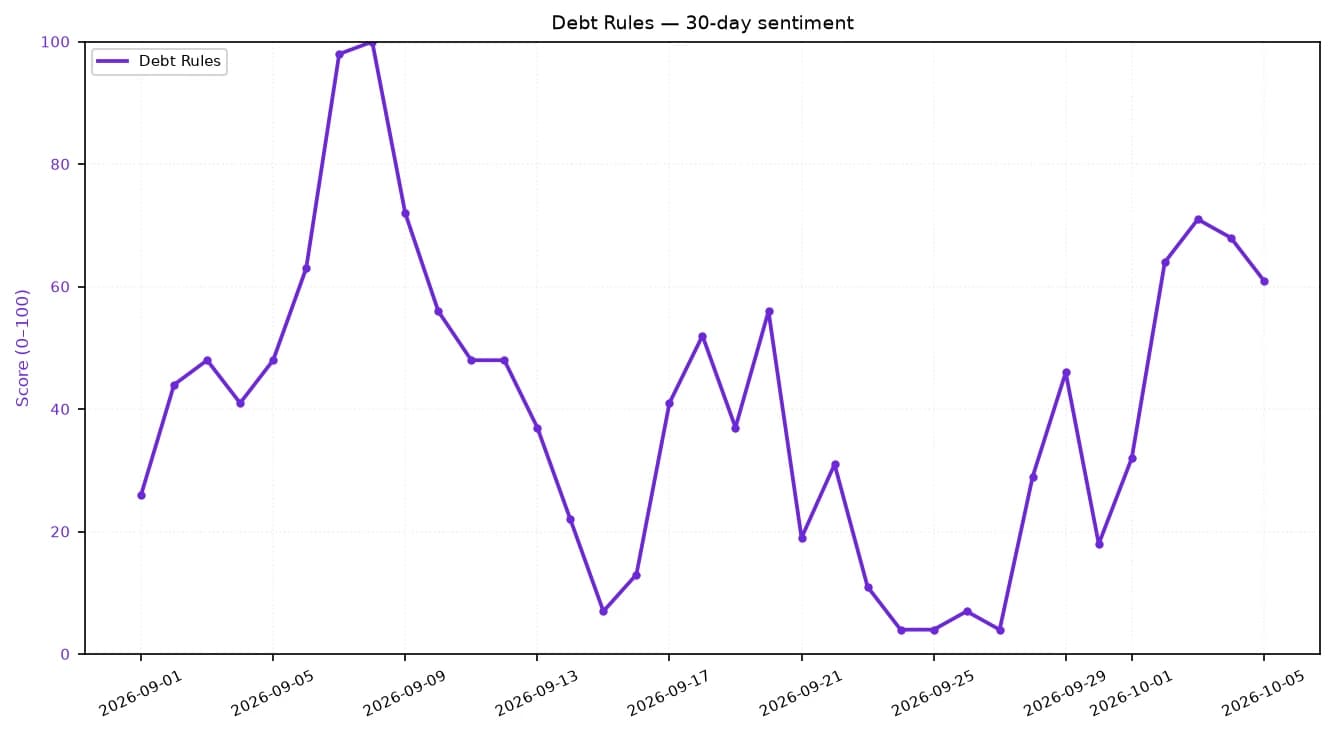
Sentiment Indicators

Christina Papakonstantinou, deputy governor of the Bank of Greece and a member of the ECB’s Single Supervisory Mechanism board, said the digital euro could enter full operation in 2029, assuming lawmakers complete the legal framework by then. She said the pilot is planned for the second half of 2027.
The timeline is significant because central bank digital currency plans tend to move slowly until they suddenly become unavoidable. Europe is now trying to catch up to a payments landscape already being reshaped by instant transfers, digital wallets and U.S. policy moves that have sharpened the debate over monetary sovereignty and transaction efficiency. The ECB’s effort is also part of a broader push to reduce dependence on private payment rails, a strategic objective that has clear implications for Europe’s financial infrastructure.

For the eurozone economy, the digital euro could eventually lower friction in retail payments and improve resilience in a system that still relies heavily on private intermediaries. That is especially relevant as policymakers worry about digital vulnerabilities, cyberattacks and the fragility of cross-border settlement. Papakonstantinou also urged Greek banks to strengthen defenses against cyber risks and new technology threats, underscoring that the payments shift is as much about security as convenience.
The market impact is less about next week’s price action than about where capital should be positioned over the next several years. Conventional technical indicators on euro-tracking funds such as FXE show the currency proxy trading below both its 50-day and 200-day moving averages, while Adalytica.com’s Euro Trade Signals snapshot shows extreme greed in sentiment, a reminder that the euro complex is already a crowded macro trade. That makes the digital euro less a catalyst for immediate currency re-rating than a structural catalyst for payment infrastructure winners and losers.
The likely winners are the firms that provide compliance, security, wallet software, settlement plumbing and merchant integration. The likely losers are incumbents whose fees or network control could be compressed if a state-backed digital alternative gains traction. Visa, Mastercard, PayPal and regional banks should all be watching closely, even if the full effect will take years to show up in revenues.
Europe’s bigger test is whether it can pair this innovation with a stronger banking union, tighter fiscal discipline and the political consensus needed to make the project credible. If lawmakers deliver, the digital euro could become one of the most important market-structure changes in Europe this decade. Investors should treat 2027 as the proof point and 2029 as the inflection point.
| Entity | Gains | Losses |
|---|---|---|
| ECB / eurozone policymakers | ▲Payment sovereignty | ▼Delayed legislation |
| European banks | ▲New digital rails | ▼Higher compliance costs |
| Card networks | ▲Transaction growth in hybrid systems | ▼Fee pressure |
| Fintechs / wallet providers | ▲Integration demand | ▼Incumbent moat erosion |