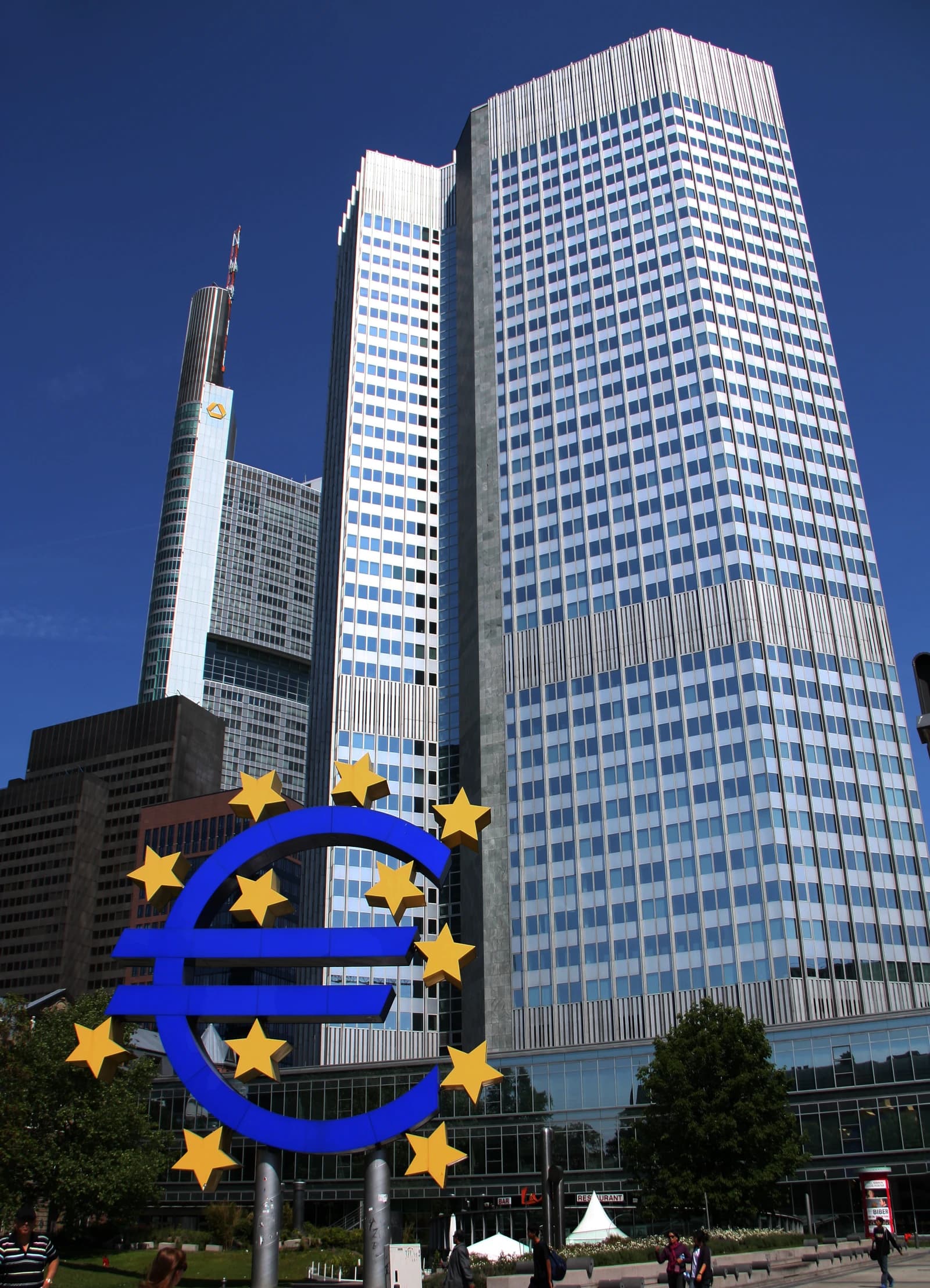
The euro is still trading weakly against the Albanian lek, with the common currency changing hands around 91.1 lek to sell and 90.2 lek to buy on Friday, a reminder that the slide in the euro is not just a chart pattern — it is reshaping prices, margins and spending power in one of the Balkans’ most euro-sensitive economies.
Euro Weakens Against Albanian Lek Near 91.1 Lek

For households and businesses in Albania, a softer euro matters because so much of the economy still prices, saves and borrows with the common currency in mind. When the euro weakens, imports denominated in euros become cheaper in local terms, but exporters, remittance recipients and firms with euro income can see their purchasing power fall. That makes the exchange rate more than a day-to-day market quote; it is a direct transmission channel into inflation, trade and corporate cash flow.
Sentiment Indicators
The broader market picture points to a euro that remains under strain even after some stabilization. Against the dollar, the euro was trading around $1.12 on Oct. 30, little changed from the prior sessions, but still below its 50-day and 200-day moving averages. That is the kind of technical backdrop traders often read as a sign that the currency is still digesting a weak trend rather than building a durable rebound. The relative strength index had climbed from deeply oversold levels earlier in October, but the euro remains well below the 1.16 area implied by the longer-term average.
Adalytica’s Euro Trade Signals snapshot underscores the tension. Sentiment on the euro is showing “Greed,” while awareness remains at “Extreme Fear,” suggesting the market may be more focused on the move itself than on the underlying risks. In other words, investors are paying attention, but not necessarily convinced the downtrend is finished.
The European Central Bank still sits at the center of the story. Even if the latest level looks orderly, a weaker euro can feed imported inflation and complicate the ECB’s balancing act between supporting growth and keeping prices under control. That matters for global investors because currency moves can quickly spill into bonds, bank earnings and multinational guidance, especially when Europe’s growth outlook is already fragile.
For investors, the key question is not whether the euro can bounce for a few sessions, but whether the currency can reclaim enough ground to restore confidence in European assets and reduce imported-price pressure. Until then, euro weakness remains a quiet but powerful force that favors importers and consumers while leaving exporters, euro earners and long-only currency bulls on the defensive.
If you own Europe-focused stocks, bonds or funds, this is worth watching closely. Currency trends can reverse fast, but when they persist, they shape real returns for years, not days.
| Entity | Gains | Losses |
|---|---|---|
| Albanian importers | ▲Cheaper euro-priced goods | ▼Lower euro-linked margins |
| Albanian exporters | ▲Weaker domestic-currency costs | ▼Less local value for euro revenues |
| Euro buyers in FX market | ▲Cheaper entry point | ▼Risk of further declines |
| ECB / Europe policymakers | ▲A chance to support growth if easing works | ▼Higher imported inflation pressure |