European equities rose as crude oil fell back below the psychologically important $100-a-barrel mark, easing pressure on inflation expectations and giving cyclical and growth shares room to outperform, while Milan underperformed on weakness in energy-linked and defensive names.
European equities rise as oil falls below $100
The Stoxx Europe 600 gained 0.4%, with technology up about 1% and retail also ahead, a combination that points to investors rotating toward sectors that tend to benefit when energy costs cool and real consumer spending power improves. Brent’s move lower after hopes of a possible reopening of the Strait of Hormuz helped calm a market that had been on edge over supply disruption risks, and the drop in oil also took some of the immediate sting out of the inflation trade that has weighed on risk assets in recent sessions.
Sentiment IndicatorsⓘProprietary · adalytica.com · September 26, 2026
This is a snapshot — live sentiment, awareness and momentum for 130+ markets update continuously in the dashboard.Open AlphaPulse
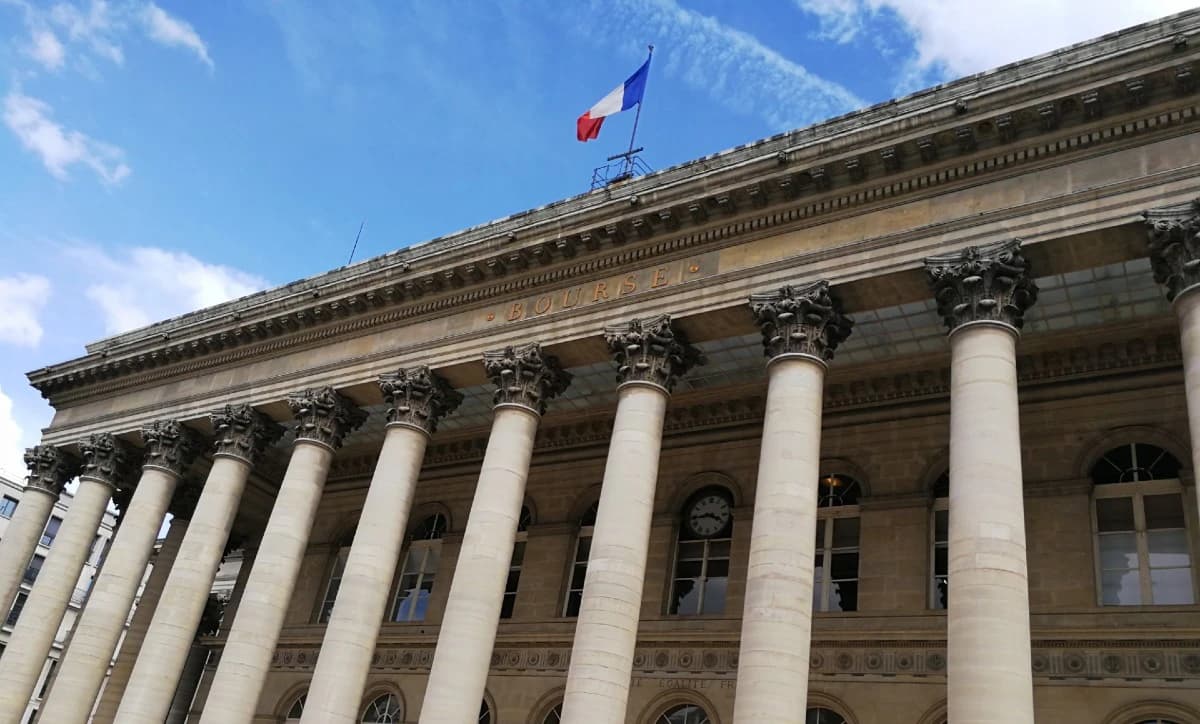
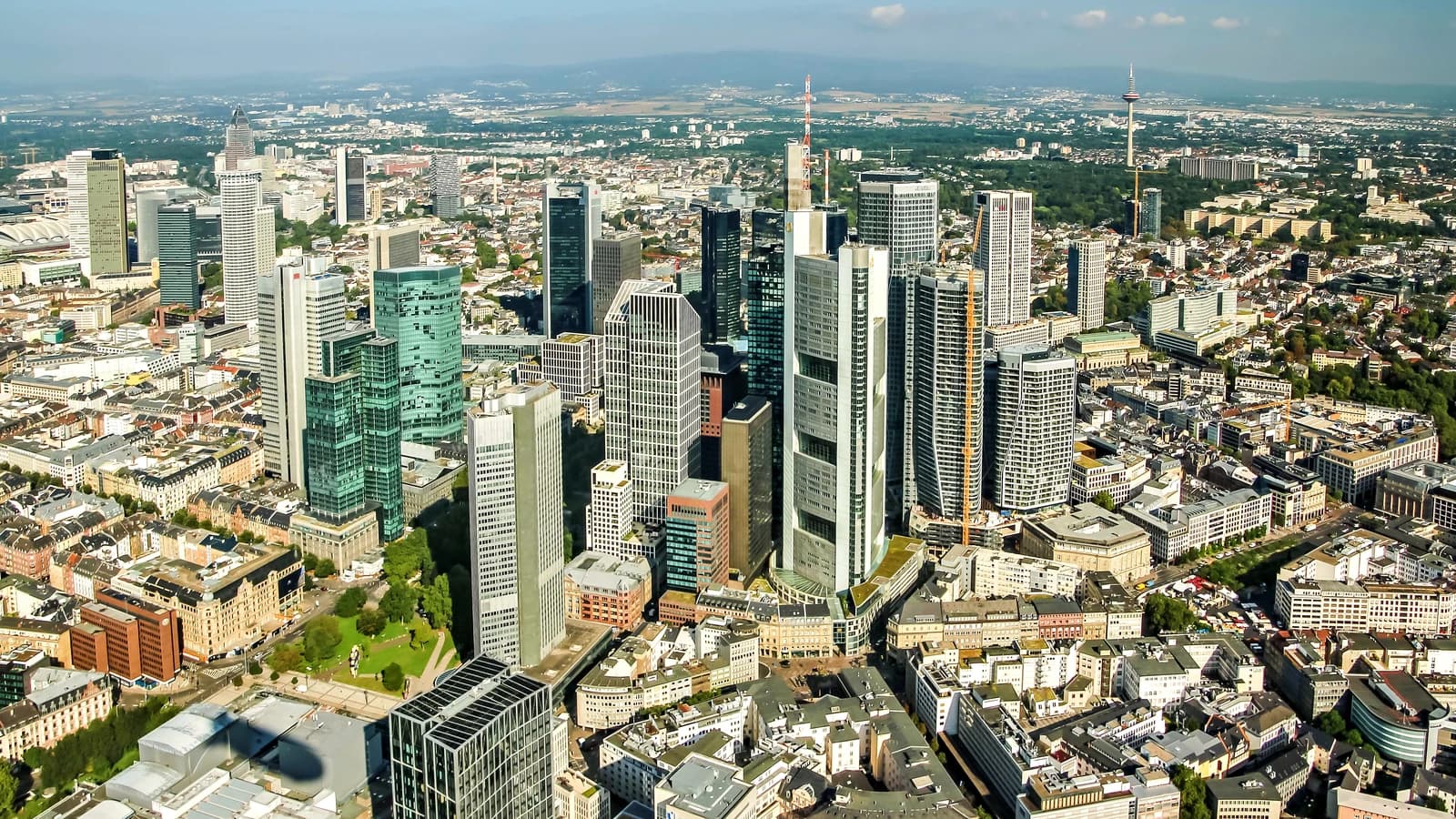
The macro significance is straightforward: cheaper oil reduces headline inflation pressure, limits the chance of another near-term squeeze on central banks, and supports the case for equities over cash and bonds. It is especially constructive for European markets, where energy dependence leaves the region more exposed than the U.S. to swings in crude and to any escalation in Middle East tensions. That helps explain why the continent’s major bourses all advanced, with Madrid up 0.8%, Paris 0.5% and Frankfurt 0.45%.
London added 0.15%, but the strongest sector move came in technology, which tracked the powerful session on Wall Street’s Nasdaq 100. Retail was another winner, led by Kingfisher, which jumped 9.6% after lifting full-year adjusted pre-tax profit guidance. That kind of upgrade matters because it suggests consumers remain resilient enough to support earnings even as investors debate the growth impact of higher-for-longer rates and geopolitics.
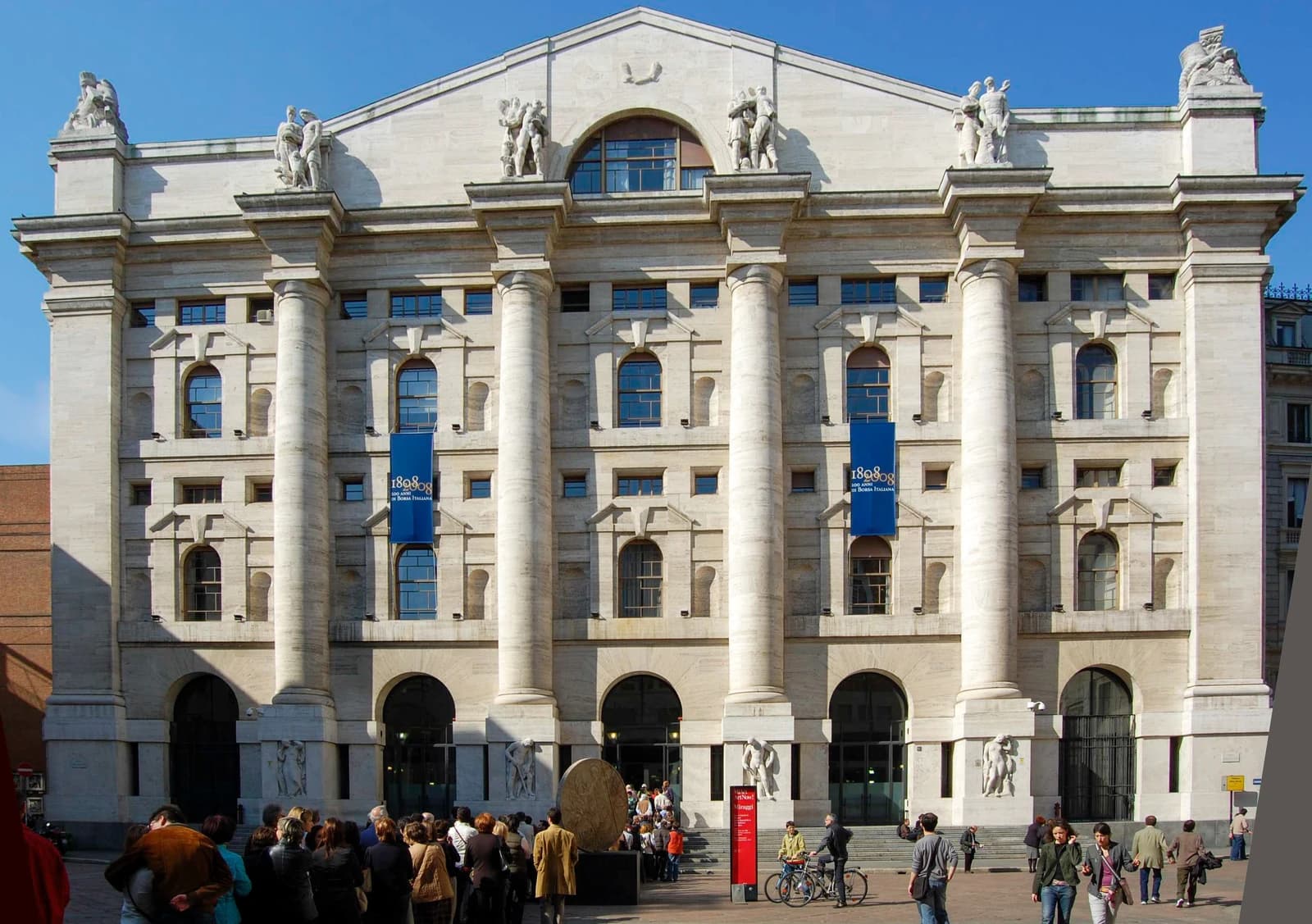
Milan was the exception. The FTSE Mib slipped about 0.23%, though losses narrowed as the session progressed and more stocks moved into positive territory. Nexi rose 2.27%, while Azimut, Moncler and STMicroelectronics also gained, reflecting the same broader appetite for payments, asset management, luxury and semiconductor exposure seen elsewhere in Europe.
But the index was held back by Saipem, down 2.5%, and Poste Italiane, off 2.4%. The weakness in Saipem is consistent with oil easing: lower crude can improve the odds of steadier inflation and growth, but it also dampens expectations for upstream capital spending and energy-related project flow. Poste’s decline points more to stock-specific positioning, but in a softer Milan session it added to the drag from defensive large caps.
For investors, the key issue is whether oil’s retreat proves durable. If the easing in crude reflects a genuine reduction in geopolitical risk rather than a temporary pause, European equities could continue to benefit through lower input costs and better earnings visibility, especially in sectors tied to consumer demand and growth. If oil rebounds quickly, however, the relief rally in Europe may fade and energy-sensitive underperformers such as Milan could again come under pressure.
| Entity | Gains | Losses |
|---|---|---|
| European equities | ▲Lower inflation pressure | ▼Energy shock risk easing lessens safety bid |
| Technology and retail | ▲Better risk appetite, lower input costs | ▼Higher oil would squeeze margins |
| Milan / FTSE Mib | ▲Some stock-specific gains in Nexi, Azimut, Moncler, STMicro | ▼Energy and defensive heavyweights |
| Saipem and oil-linked names | ▲— | ▼Lower crude, weaker capex expectations |