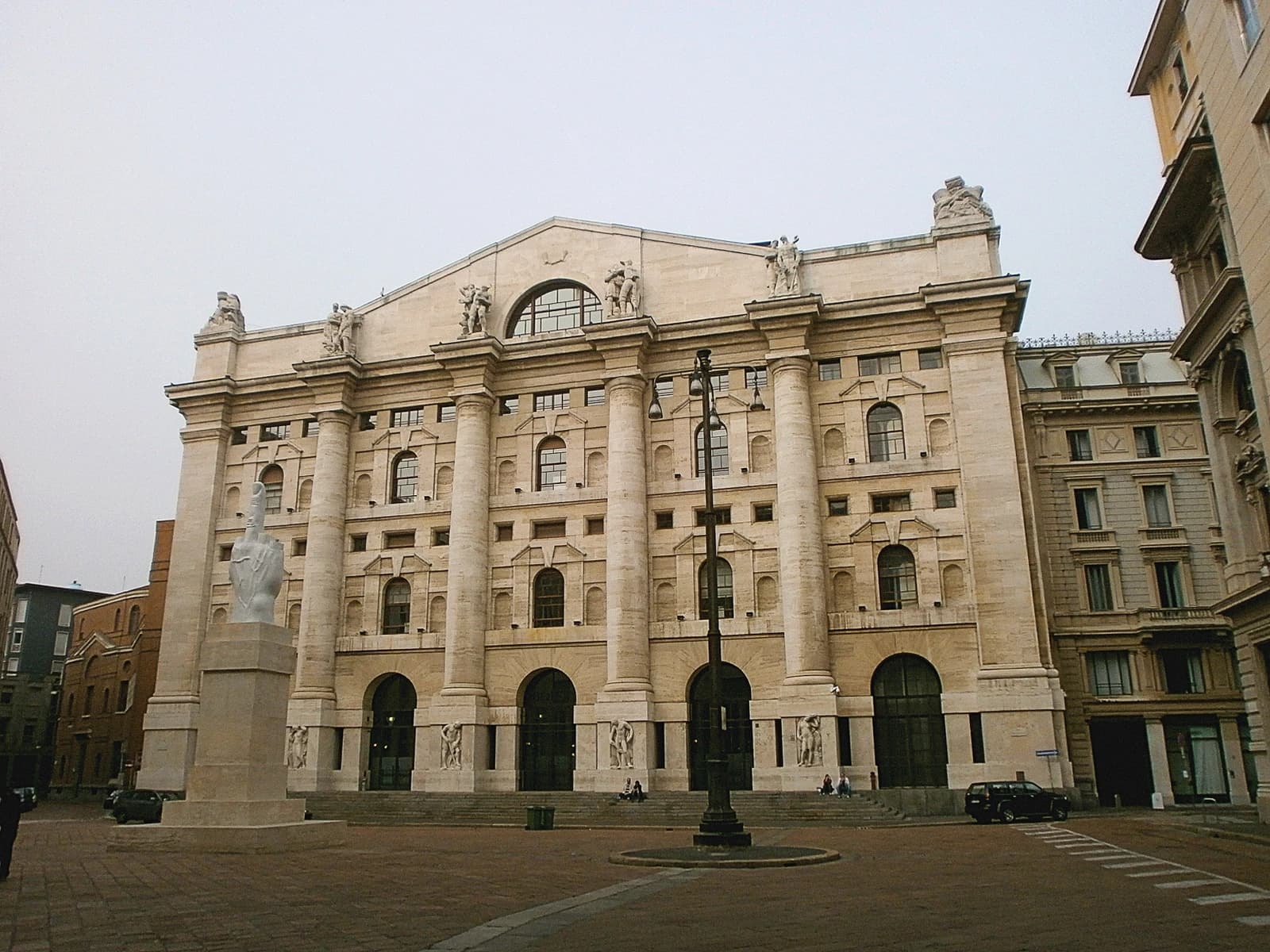
European stocks fell Monday as violent unrest in France spilled into markets, dragging Paris and Milan lower and underscoring how quickly social instability can morph into a funding and risk-premium problem for the euro area.
European Stocks Fall on France and Italy Unrest

The immediate market message is simple: investors are not just pricing street violence, they are pricing the possibility that political strain in France and Italy collides with already fragile debt dynamics. That is why the selloff was broad, why bonds and the euro also came under pressure, and why the move matters far beyond a single trading session.
Sentiment IndicatorsⓘProprietary · adalytica.com · October 24, 2026
This is a snapshot — live sentiment, awareness and momentum for 130+ markets update continuously in the dashboard.Open AlphaPulse
Paris stocks slipped 1.1% and Milan lost 1.6%, with the retreat spreading across most sectors. France’s interior ministry said about 2,400 people were arrested Saturday in one of the country’s worst outbreaks of urban violence in years, while nearly 1,000 police officers were injured. President Emmanuel Macron condemned the “uncontrolled” violence on Sunday after clashes, looting and protests over living costs in Paris and elsewhere.
For investors, this is a reminder that Europe’s equity market remains highly sensitive to political risk in its core economies. France is not an emerging market-style crisis story, but when unrest feeds into debates over a 2027 budget that still leaves debt elevated, the discount rate on French assets can move fast. The same applies to Italy, where Prime Minister Giorgia Meloni held a security meeting Monday after unrest in Milan echoed scenes from Paris.
The macro signal is more important than the headlines suggest. A wave of selling in European equities, sovereign debt and the euro points to tightening financial conditions at exactly the wrong time for growth. That is a direct headwind for banks, domestically exposed retailers and real estate names, while exporters with stronger dollar revenue streams may hold up better if the common currency stays under pressure.
The contrast with Wall Street only sharpens the point. U.S. technology stocks rebounded Monday, led by the Nasdaq’s 1.7% gain, but that relief rally was driven by bargain-hunting after a bruising stretch for semiconductors and AI-linked names. In Europe, by contrast, the catalyst was not valuation but confidence — and confidence is harder to rebuild.
The investable takeaway is that this kind of shock tends to widen the gap between global winners and local laggards. I believe investors should stay overweight pan-European exporters, defense, and high-quality multinationals while remaining cautious on France- and Italy-heavy domestic exposure until the political temperature cools and bond markets calm down.
If unrest keeps feeding fiscal anxiety, the next leg of the move could come through currencies and sovereign spreads, not just stocks. That is where the real opportunity — and the real risk — sits now.
| Entity | Gains | Losses |
|---|---|---|
| Pan-European exporters | ▲Weaker euro tailwind | ▼Domestic demand risk |
| French domestic stocks | ▲— | ▼Higher risk premium |
| Italian equities | ▲— | ▼Spillover from unrest |
| Euro | ▲— | ▼Safe-haven selling pressure |