European wheat prices climbed after a US diplomatic push to end the war in Ukraine appeared to make little progress, keeping Black Sea grain shipments constrained and forcing buyers deeper into European Union supply.
European Wheat Rises on Ukraine Supply Risks
Benchmark December milling wheat on Euronext closed 1.2% higher at €249.25 a metric ton, though it remained below last week’s contract high of €256.75. Chicago grain markets were shut for Labor Day, leaving Paris futures to set the tone in a market still anchored by war-related supply risk.
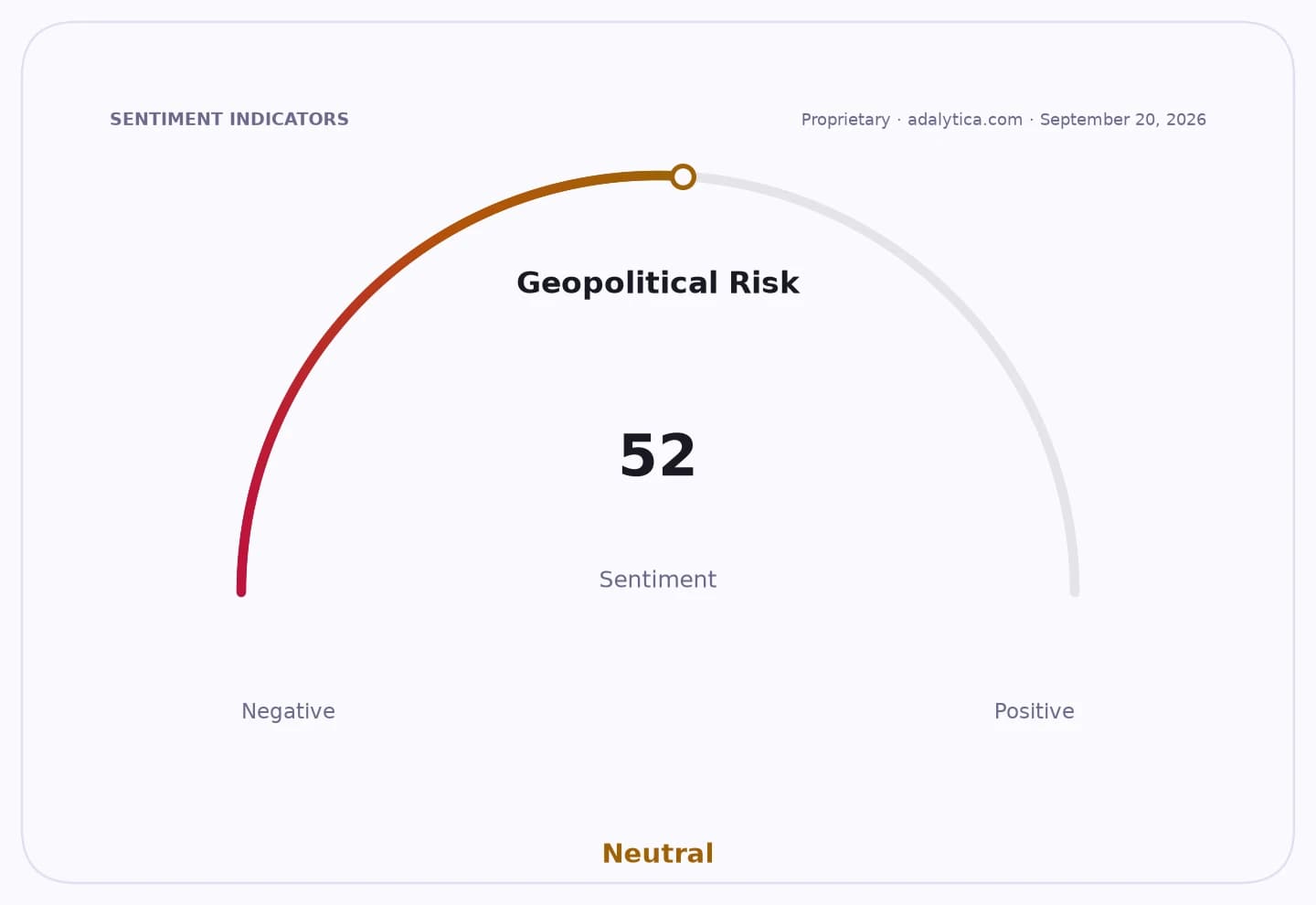
Sentiment IndicatorsⓘProprietary · adalytica.com · September 9, 2026
This is a snapshot — live sentiment, awareness and momentum for 130+ markets update continuously in the dashboard.Open AlphaPulse
The move matters because Ukraine and Russia together account for roughly a third of global wheat trade, and repeated attacks on ports and shipping have left seaborne exports near a standstill. With little evidence the latest US effort produced a breakthrough, importers are still hedging against prolonged disruption rather than betting on a quick return of Black Sea cargoes.
European exporters are capturing some of that demand. Traders said western EU origins, including France, have booked fresh sales to Egypt, Sudan and West Africa as buyers look for alternatives to Black Sea wheat, helping support nearby prices.
That strength is not universal. A large Saudi tender for 535,000 tons was reportedly canceled because prices were too high, underscoring how elevated wheat values are already starting to curb demand from some importers in the Middle East and Asia.
For investors, the story keeps wheat-supported assets and grain-exposed producers in focus, while also reinforcing the inflation risk for food costs if the Black Sea remains constrained. The broader market signal is that any durable peace deal could quickly pressure wheat lower, but absent that, European prices are likely to stay underpinned by supply uncertainty and rerouted trade.
| Entity | Gains | Losses |
|---|---|---|
| European wheat exporters | ▲More sales to importers | ▼None from current demand shift |
| Black Sea exporters | ▲None | ▼Lost export access |
| Importers in Europe/Africa | ▲Secured alternative supply | ▼Higher procurement costs |
| Consumers/bread makers | ▲None | ▼Elevated food input prices |