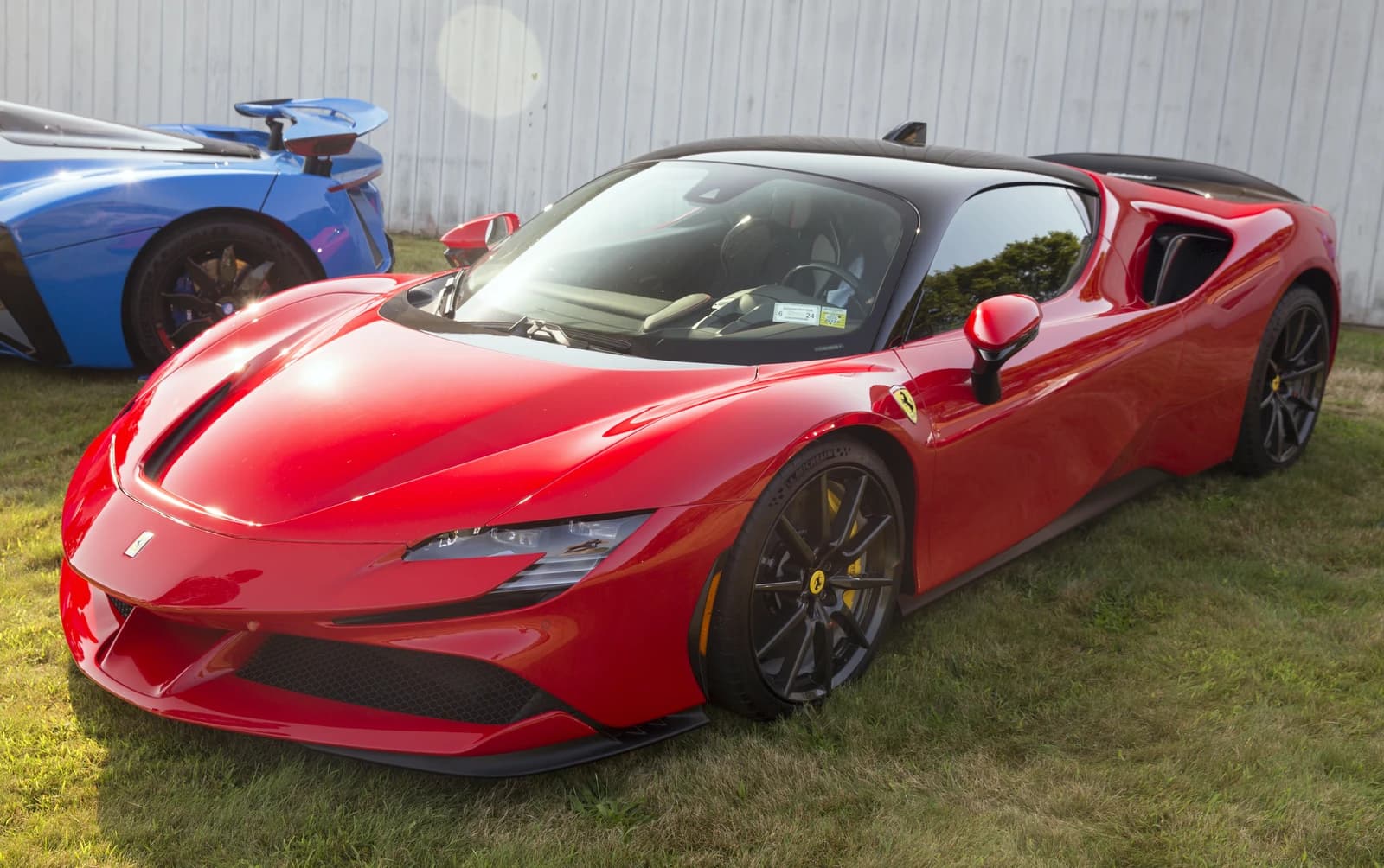
Ferrari’s new 812 Competizione and 812 Competizione A are not just faster versions of an already extreme grand tourer — they are a reminder that the priciest corner of the auto market still runs on scarcity, engineering prestige and collector demand rather than volume.
Ferrari 812 Competizione launch and stock pullback
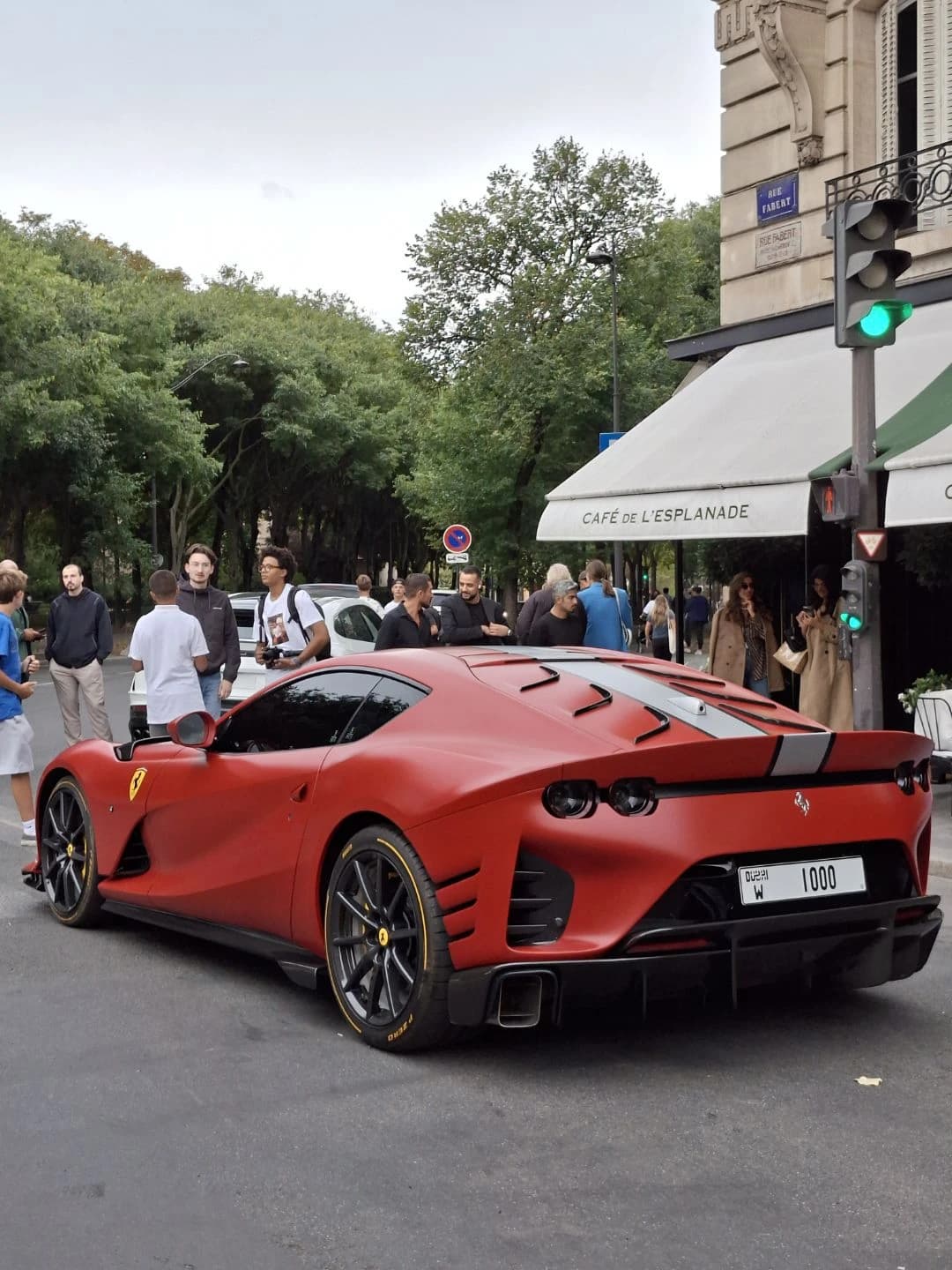
That matters because Ferrari’s business model is built on selling desire as much as horsepower. The company says the coupe and open-top model are limited-edition cars aimed at a tiny circle of collectors and enthusiasts, making them the kind of vehicles most buyers will never touch, let alone own new. For Ferrari, that exclusivity is the point: limited supply supports pricing power, reinforces brand cachet and keeps the company insulated from the discounting pressures that affect mass-market automakers.
Sentiment IndicatorsⓘProprietary · adalytica.com · October 18, 2026
This is a snapshot — live sentiment, awareness and momentum for 130+ markets update continuously in the dashboard.Open AlphaPulse
The cars themselves underline how Ferrari continues to monetize its reputation. The 6.5-liter naturally aspirated V12 makes 830 horsepower, with the coupe sprinting from 0-100 km/h in 2.85 seconds and beyond 340 km/h at the top end. Ferrari says the model is 38 kilograms lighter than the 812 Superfast, with more aggressive aerodynamics, redesigned internals, carbon-fiber components and a package of chassis systems aimed at improving speed, grip and response. In other words, this is not just a badge exercise. It is the kind of engineering showcase that helps Ferrari justify premium pricing across its entire lineup.
For investors, the significance is less about one halo model and more about what it says about Ferrari’s moat. Luxury car makers depend on maintaining emotional appeal while tightening production discipline, and Ferrari remains one of the few companies in the auto industry that can still sell high-margin aspiration. That gives the stock a different investment profile from traditional automakers: lower volume, far stronger brand equity and much more predictable willingness from wealthy buyers to pay up for differentiation.
The launch also comes at a time when the broader market has been choppier. Ferrari’s shares have retreated from recent highs, with the stock closing at $397.53 on Oct. 16, below its 50-day moving average of $407.26 but still above the 200-day average of $366.43. That kind of pullback does not change the long-term story, but it does matter for investors watching whether the premium has outrun the fundamentals. Technical readings such as RSI and MACD suggest the stock has cooled after a strong run, which can matter for entry points even when the underlying business remains intact.
The bigger narrative is that Ferrari continues to live in a world where engineering, brand and scarcity matter more than macro noise. Even as consumer sentiment has softened and investors have grown more cautious on the market overall, Ferrari’s core advantage is that its customer base is not shopping like everyone else. If you are a long-term investor, that is exactly the kind of business worth watching: one that can turn exclusivity into recurring pricing power. For patient shareholders, Ferrari remains a classic example of a durable luxury compounder.
| Entity | Gains | Losses |
|---|---|---|
| Ferrari | ▲Brand prestige, pricing power | ▼Little short-term volume lift |
| Collectors/enthusiasts | ▲Access to halo model | ▼Scarcity, limited availability |
| Existing Ferrari shareholders | ▲Long-term moat reinforcement | ▼Near-term valuation pressure |
| Rival supercar makers | ▲Benchmark to chase | ▼Share of mind among ultra-rich buyers |