Ferrari’s first all-electric car has just been turned into a $40 million proof point that the luxury auto maker’s brand power remains one of the most valuable assets in global markets.
Ferrari auction sale underscores brand pricing power
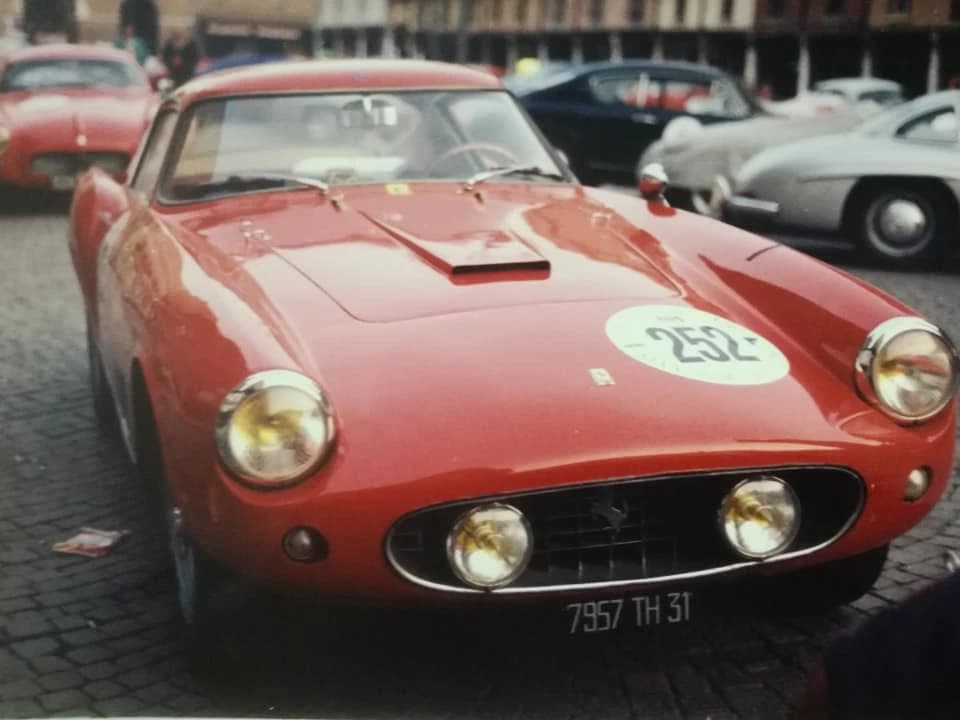
That is the real story behind Dr. Herbert Wertheim’s extraordinary auction purchase of the Ferrari Luce “Chassis 0” in Monterey: not simply a headline-grabbing charity bid, but evidence that scarcity, design prestige and electric transition can still command absurd pricing power even as the broader economy wrestles with higher rates and patchier consumer demand. For Ferrari, the sale is a reminder that its business model is built less on mass-market automotive economics than on collectible status and pricing discipline.
Sentiment IndicatorsⓘProprietary · adalytica.com · August 30, 2026
This is a snapshot — live sentiment, awareness and momentum for 130+ markets update continuously in the dashboard.Open AlphaPulse
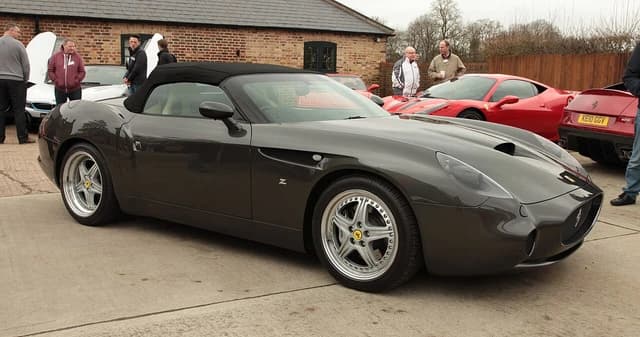
The record matters because it shows how far the top end of the market can detach from the rest of the economy. The 10-year U.S. Treasury yield is hovering around 4.6%, inflation is still running above 330 on the CPI index, and consumers are feeling the squeeze in more ordinary parts of the auto market. Yet the ultra-wealthy are still willing to pay nine figures in local currency terms for a one-off Ferrari that will not be delivered until 2027.
Investors should read that as more than theater. Ferrari’s valuation depends on the durability of its brand moat, its ability to keep exclusivity intact and its capacity to monetize future models without flooding supply. A $40 million auction result reinforces the idea that Ferrari’s pricing power is not just intact, it may be widening as electrification gives the company a new way to package rarity, technology and heritage into a single object of desire.
That helps explain why the stock has held up far better than many cyclical auto names. Ferrari trades like a luxury asset, not an assembly-line manufacturer, and the market continues to reward that difference. The stock is above both its 50-day and 200-day moving averages, and while the recent pullback from an August peak cooled momentum, the longer-term trend remains constructive. In plain terms: the market is still paying for Ferrari’s scarcity, and this auction suggests that premium is deserved.
The broader implication reaches beyond one car. Luxury auto peers, high-end dealers and suppliers tied to the premium segment all benefit when Ferrari proves that the top of the market remains immune to macro stress. By contrast, mass-market automakers and consumers facing higher financing costs are still stuck in a world where affordability is the constraint. Premium brands can pass through pricing; everyone else has to discount or wait.
Our thesis is that Ferrari remains one of the cleanest secular luxury names in global equities because it sits at the intersection of three powerful forces: scarcity, electrification and global wealth creation. The Luce sale tells investors the market still underestimates how much pricing power can be unlocked when a brand becomes a collectible. If Ferrari can turn its first EV into a $40 million cultural event, the next phase of the story may be even more profitable.
For investors, the takeaway is simple: Ferrari remains a buy-the-dip luxury compounder, while the real opportunity extends to the ecosystem that profits from premium branding, bespoke manufacturing and elite consumer demand.
| Entity | Gains | Losses |
|---|---|---|
| Ferrari (RACE) | ▲Brand prestige, pricing power | ▼Limited-edition scarcity risk |
| Ultra-wealthy collectors | ▲Trophy assets, status value | ▼Cash outlay |
| Luxury auto peers | ▲Sector halo, demand proof | ▼Comparison pressure |
| Mass-market automakers | ▲— | ▼Attention, pricing contrast |