A barely driven Ferrari F50 with just 107.6 kilometers on the odometer is heading to auction in Las Vegas, and the car’s extreme rarity could push the sale past $20 million, or about 517 billion dong.
Ferrari F50 with 107.6 km heads to Las Vegas auction
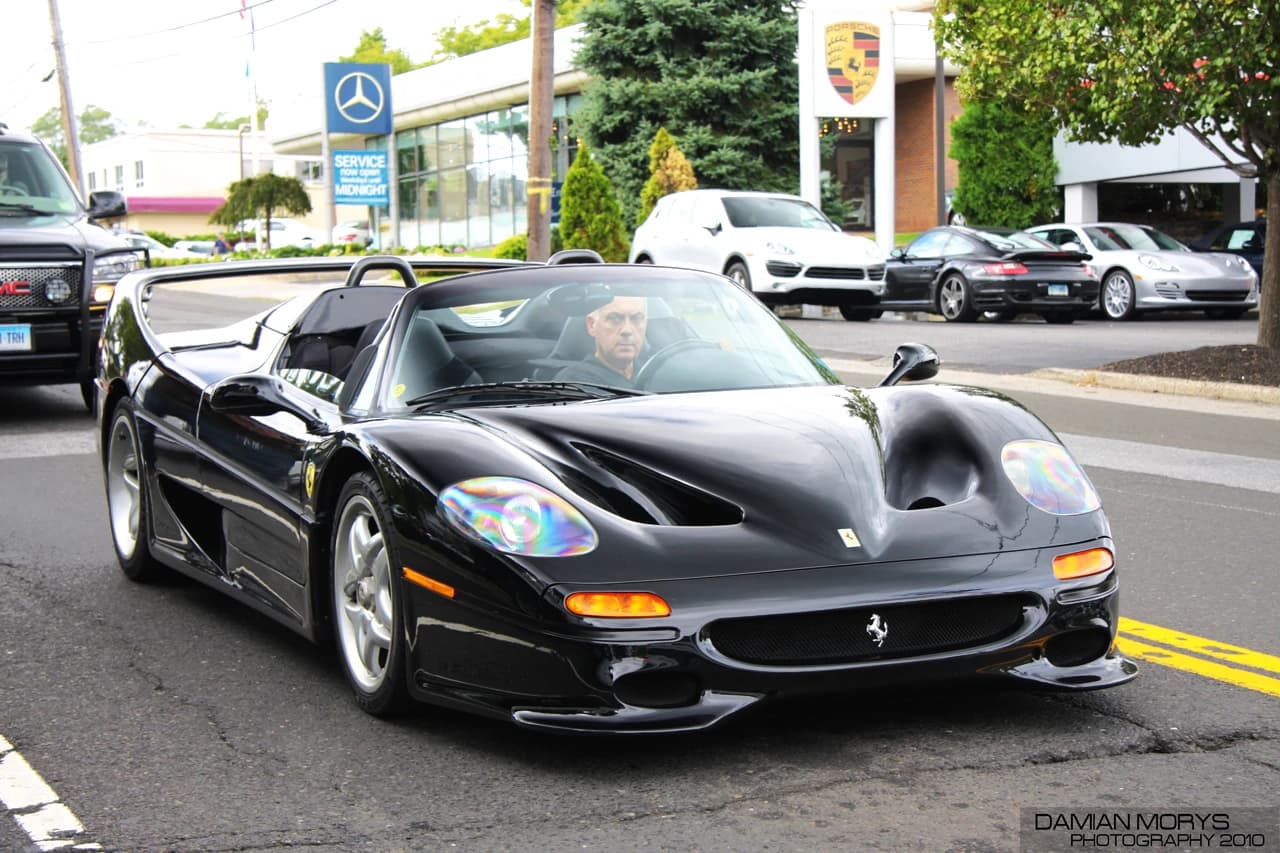
That matters because this is more than a headline-grabbing collector car. It is a live price check on Ferrari’s brand power, the health of the high-end auction market and the willingness of wealthy buyers to pay up for the rarest pieces of automotive history. In a luxury market where scarcity often beats even flawless condition, this F50 is close to a textbook example of how collectability creates economic value.
Broad Arrow says the 1997 F50 is chassis 107165, the 334th of just 349 built, and one of the final examples produced. Even among Ferrari’s already exclusive halo cars, it stands out: the car was delivered new in the U.K., kept largely out of use, and later moved into a European collection. Broad Arrow’s Alexander Weaver called it likely the lowest-mileage example of a model that marked the end of an era.
For investors, the lesson is simple. Ferrari’s business is not only about selling new cars; it is about protecting an aura that can make its older models appreciate dramatically over time. That helps explain why Ferrari’s brand value has climbed to $17.7 billion and why the company continues to enjoy pricing power that most automakers can only envy. A marquee auction like this reinforces the idea that Ferrari’s moat extends far beyond the showroom.
The mechanical appeal also matters. The F50 used a 4.7-liter V12 producing 513 horsepower, with engineering rooted in Ferrari’s Formula 1 program. That racing lineage is part of what makes limited-run Ferraris so durable as assets: they are not just cars, but rolling pieces of industrial and sporting history. When a model combines a final-production chassis, near-zero mileage and a direct link to Formula 1, collectors tend to compete aggressively.
There are still risks. High-end auction results can be volatile, and buyer demand at the top of the market can ebb if financial conditions tighten. But for long-term investors, Ferrari’s greatest strength is that its reputation compounds. The company has built a franchise where scarcity, heritage and emotional demand all reinforce one another. That is why a five-minute bidding war over a single F50 is worth paying attention to.
For shareholders, the takeaway is encouraging: auctions like this are not just bragging rights for collectors, they are proof that Ferrari’s brand remains one of the strongest in global luxury. For investors looking decades out, that is exactly the kind of durable advantage worth holding.
| Entity | Gains | Losses |
|---|---|---|
| Ferrari | ▲Brand prestige and pricing power | ▼Little beyond supply scarcity |
| Collector seller | ▲Potential windfall sale price | ▼Opportunity to keep a rare asset |
| High-end buyers | ▲Access to a trophy asset | ▼Paying a premium for rarity |
| Rival luxury automakers | ▲Higher bar for exclusivity | ▼Less attention in collector market |
