Ferrari lifted its full-year profit outlook after a third quarter that showed the luxury carmaker can keep widening margins even as it sells fewer cars and faces criticism over its first electric model.
Ferrari lifts outlook after strong Q3 margins
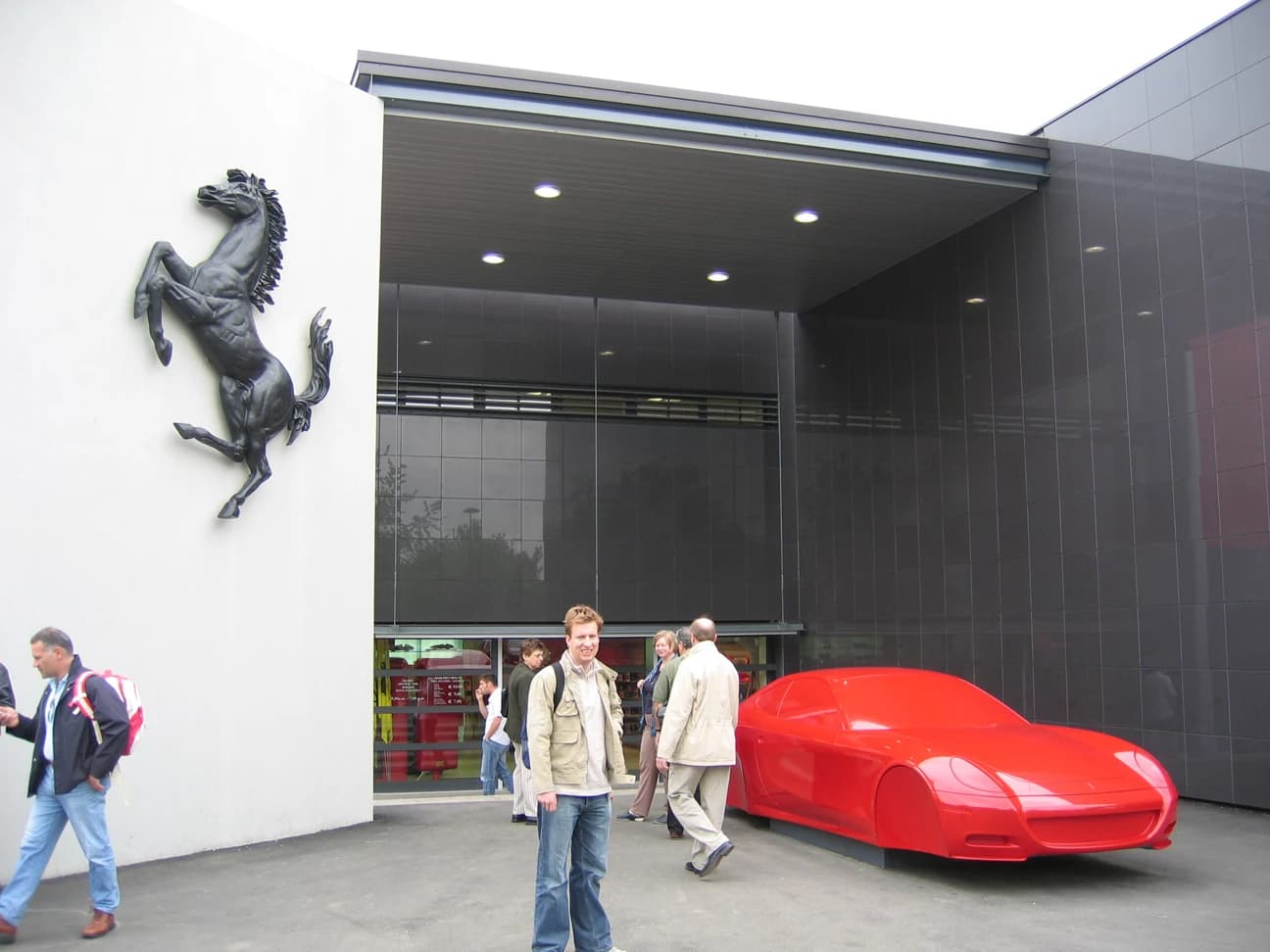
The Italian manufacturer said strong demand for higher-margin models and surging personalization revenue drove results that beat expectations, with operating margin at 29.7% and adjusted EBITDA margin at 39.7% in the quarter. For investors, the key message is that Ferrari is still monetizing scarcity better than the broader auto industry, where pricing power has weakened and electrification has pressured returns.
Net profit rose 13% to 431 million euros in the third quarter, while revenue increased 7% to 1.896 billion euros. Ferrari delivered 3,368 vehicles in the period, down 33 from a year earlier, but the mix tilted toward premium models including the 296 Speciale, F80 and Purosangue, helping preserve profitability.
Personalization was the standout engine again, accounting for more than 21% of revenue from cars and parts. That business, alongside limited-volume halo models, is what keeps Ferrari in a different league from mass-market automakers and gives it leverage to offset lower unit volumes.
The company also said its controversial first electric car, the Luce, is already fully allocated for 2027 before first deliveries begin. Chief executive Benedetto Vigna said all of next year’s planned output is spoken for, despite criticism of the car’s design and premium starting price of about $615,000.
That matters because it confirms Ferrari’s electrification push is not weakening demand for its brand. The Luce is due to start deliveries in the fourth quarter and Ferrari said it will hold test drives for customers and media in early 2027, while keeping its long-term target for fully electric cars at 20% of the lineup by 2030.
Ferrari also sharpened its financial targets, lifting its adjusted EBITDA goal for 2026 to at least 3 billion euros from 2.97 billion euros and raising its cash-flow forecast to as much as 1.65 billion euros. The company said the upgrade reflects stronger personalization, a less adverse currency backdrop and better Formula 1 performance.
The stock reaction underscored investor confidence in the model. Ferrari shares have outperformed much of the auto sector this year, and the latest numbers reinforce the view that the company’s real asset is pricing power, not volume growth. JPMorgan’s positive stance after the update adds to that support.
The next catalysts are more product launches before year-end and the first deliveries of the Luce, which will show whether Ferrari can preserve its margin edge as it pushes deeper into electrification.
| Entity | Gains | Losses |
|---|---|---|
| Ferrari | ▲Higher margins, stronger guidance | ▼Critics of EV strategy |
| Ferrari investors | ▲Better cash flow visibility | ▼Volume-focused auto bulls |
| Customers buying bespoke models | ▲More exclusive product access | ▼Mass-market competitors |
| Traditional automakers | ▲— | ▼Margin comparison pressure |