BMW’s ALPINA sub-brand is preparing to bring back a V8-powered flagship sedan, with a new 7 Series-based model seen undergoing testing at Italy’s Nardo high-speed proving ground ahead of a planned 2027 launch.
BMW ALPINA Plans V8 7 Series Flagship for 2027
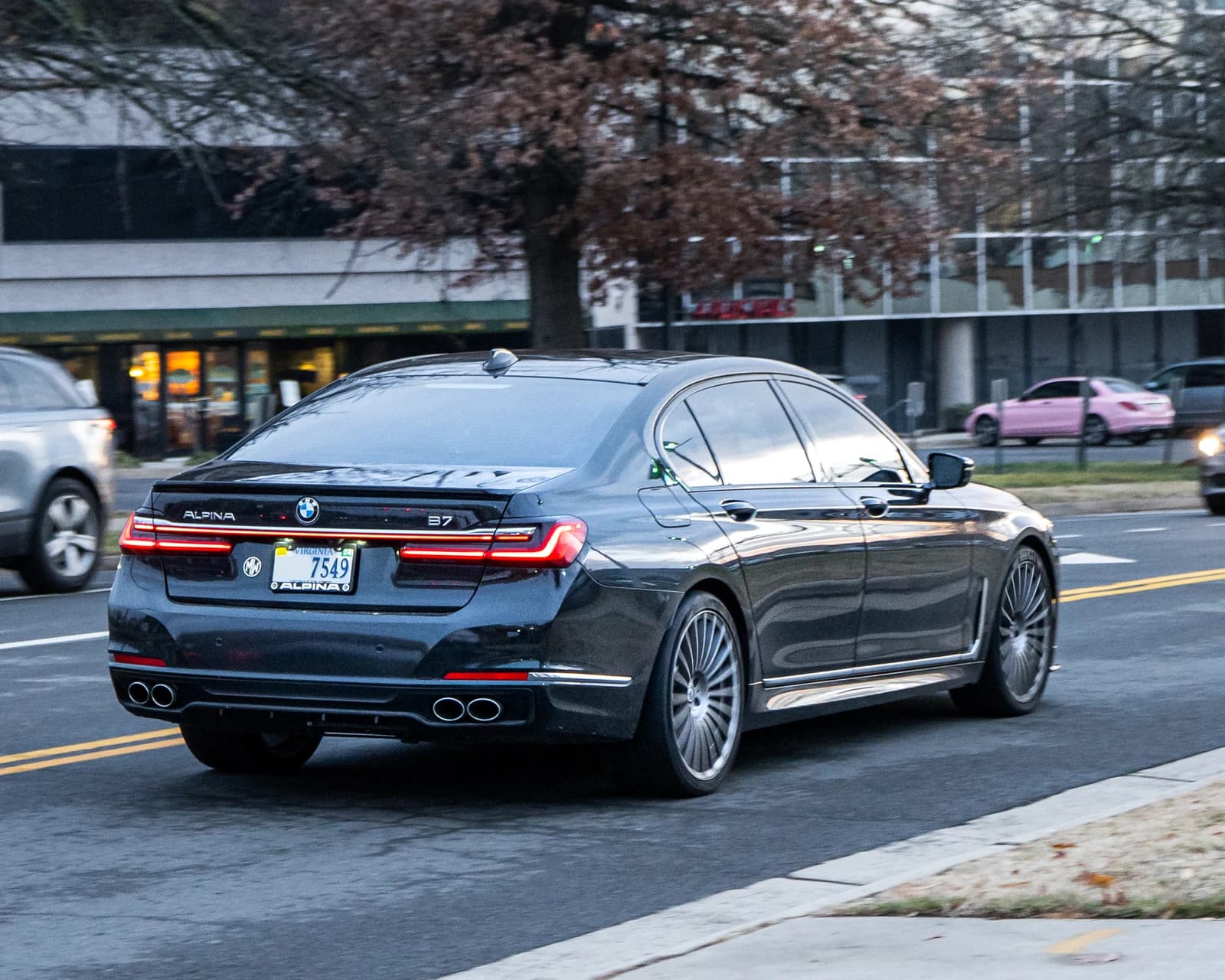
That matters because the move revives one of the most profitable corners of the luxury-car market at a time when premium brands are being forced to balance electrification, tighter emissions rules and the need to preserve margins. For BMW, an ALPINA-branded 7 Series would not be a volume seller, but it could reinforce pricing power in the ultra-luxury segment, where customers still pay for exclusivity, engineering differentiation and long-distance refinement.
According to the BMW blog report, the prototype is camouflaged but clearly based on the next 7 Series generation, carrying the internal code G72 rather than the current G70. BMW has not officially confirmed the exact model, but the vehicle is expected to be unveiled in 2027 after further testing and calibration.
The testing location is significant. Nardo is used for high-speed durability and refinement work, the kind of validation that matters for a limousine likely aimed at buyers who care as much about quiet cruising and effortless acceleration as they do about outright performance. The mention of a V8 is especially notable in a market where larger combustion engines are increasingly rare in flagship sedans, suggesting BMW sees room for a niche product that can coexist with its broader electrification strategy.
For investors, the story is less about near-term sales and more about brand architecture and mix. Luxury marques tend to earn disproportionate profits from halo models and bespoke derivatives, and ALPINA has historically helped BMW defend its position against Mercedes-Maybach, Audi’s upper-end S line offerings and other ultra-premium rivals. A successful return could support residual values and showroom traffic, while also signaling that BMW still believes there is demand for high-margin combustion-engine flagships even as the industry shifts toward EVs.
The stock reaction has been muted, but BMW’s shares have recovered some ground in recent sessions after a volatile year. The German-listed stock closed at 59.16 euros on Friday, just above its 50-day moving average of 58.26 euros, with momentum indicators showing the shares have stabilized after a steep selloff earlier in the year. The broader picture remains mixed: the stock is still well below its 200-day moving average of 67.53 euros, indicating investors remain cautious on the earnings outlook.
The bull case is that BMW can keep extracting premium margins from its top-end nameplates without materially increasing volume risk. The bear case is that another large-displacement luxury sedan becomes more of a symbolic statement than a meaningful profit driver if demand for combustion-engine flagships fades faster than expected or if regulatory pressure tightens further. For now, the message is that BMW is not abandoning the high-end internal-combustion niche — it is preparing to defend it.
| Entity | Gains | Losses |
|---|---|---|
| BMW ALPINA | ▲Brand exclusivity | ▼Mass-market scale |
| BMW | ▲High-margin halo model | ▼Capital tied to niche demand |
| Luxury sedan buyers | ▲More choice, V8 option | ▼EV-only product mix |
| EV-focused rivals | ▲Slower combustion retreat | ▼Stronger BMW brand defense |