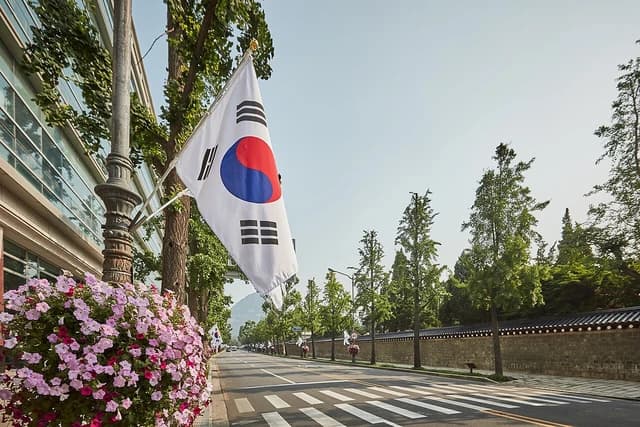
Tesla is facing scrutiny in South Korea after a consumer group accused the EV maker of misleading tens of thousands of customers by selling its Full Self-Driving software for about 6 million won, or roughly $6,000, even though the system cannot be legally used in most of the cars Tesla sells there.
Tesla South Korea FSD faces consumer complaint
The complaint, reported by Reuters, goes to the core of Tesla’s software-first sales pitch and could raise regulatory and reputational costs in a market where the company has sold more than 170,000 vehicles since 2023. South Korea’s fair-trade regulator has already opened an investigation, while the transport ministry has said the FSD system also appears to violate local safety rules, including a requirement that drivers keep their hands on the wheel.
Sentiment Indicators
The issue is not just whether Tesla overstated a feature. It also highlights a regulatory mismatch created by the company’s supply chain: FSD is certified only for Teslas made in the U.S., which account for only a small portion of its South Korean sales, while most vehicles sold there since 2023 have been built in China.
For investors, the probe adds another legal overhang to a stock that has been volatile and is trading well below its recent highs. Tesla shares closed at $357.39 on Nov. 6, below the 50-day moving average of about $372 and the 200-day average near $384, while Adalytica’s Tesla earnings sentiment gauge sits in “Fear” territory at 29, down 71 points over the past month.
Tesla Inc — 30-day sentimentadalytica.com
Explore this data interactively — full history, time series and cross-market comparisons.
The case matters beyond one market because Tesla’s valuation rests heavily on the monetization of software and autonomy, not just car deliveries. Any finding that FSD was marketed or sold in ways that do not line up with local rules could complicate rollout plans in other jurisdictions, pressure margins if refunds or penalties follow, and give rivals and regulators more ammunition as Tesla pushes deeper into driver-assistance monetization.
The immediate focus is the KFTC inquiry and whether South Korean authorities move from consumer-protection review to enforcement. Any ruling on certification, disclosures or refunds would be watched closely by investors looking for signs that Tesla’s software sales model can scale internationally without more regulatory friction.
| Entity | Gains | Losses |
|---|---|---|
| South Korean regulators | ▲Enforcement leverage | ▼Tesla’s compliance defense |
| Tesla customers in South Korea | ▲Potential refunds/recourse | ▼Paid FSD buyers |
| Tesla | ▲Long term if compliant rollout resumes | ▼Reputation, margins, regulatory risk |
| Rivals/legacy automakers | ▲Competitive contrast | ▼Pressure to match Tesla software sales |