Chinese-made electric vehicle sales in Europe climbed 10.3% in October, a sign the region’s EV market is regaining traction even as the broader auto industry faces a slower, higher-rate world.
Chinese EV sales in Europe rose 10.3% in October
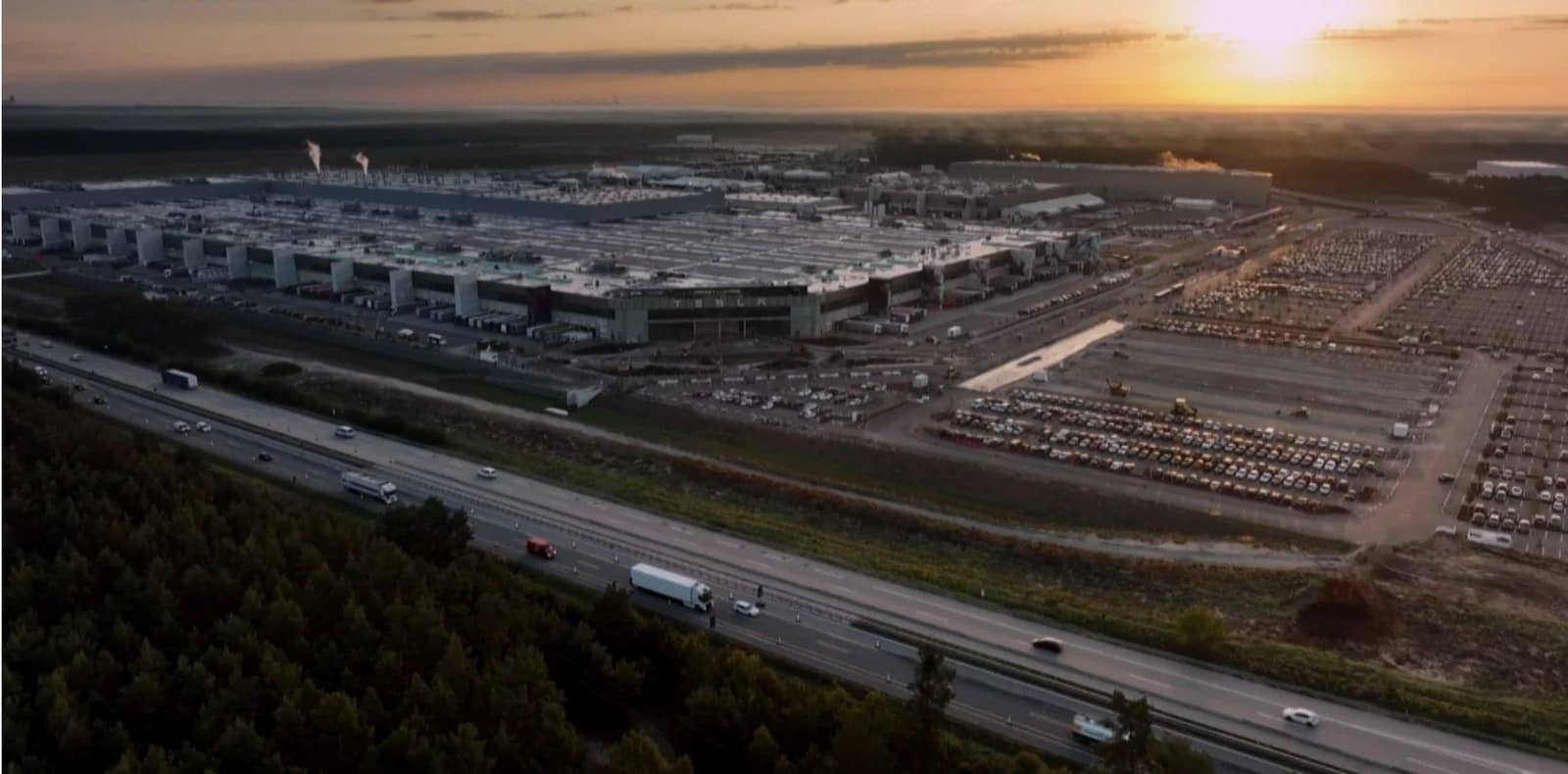
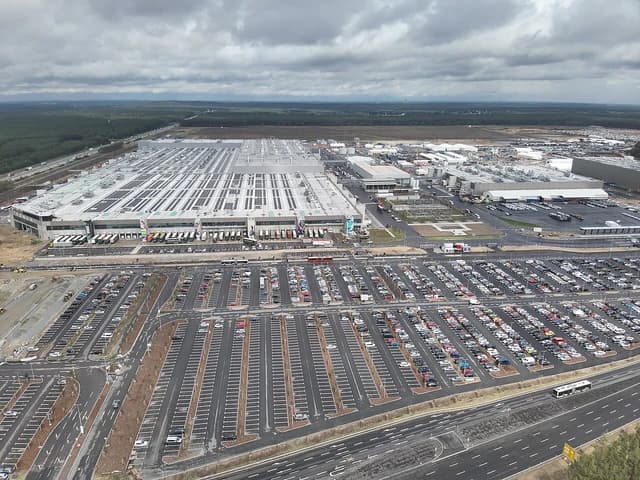
That matters because Europe has been one of the most important proving grounds for Chinese automakers and Tesla alike. When demand improves there, it can help offset softness in other markets, support factory utilization, and give investors a cleaner read on whether the EV slowdown was cyclical or structural. For Tesla, the key question is not whether the company can still sell cars, but whether it can keep defending share in a market that is getting more crowded, more price-sensitive and more competitive by the month.
Sentiment Indicators
The recovery also lands against a mixed macro backdrop. U.S. 10-year Treasury yields are still near 4.9%, a reminder that financing costs remain elevated for consumers and companies. Core inflation has cooled from its peak but is still running above the Federal Reserve’s target, while unemployment remains around 4.1%, suggesting a labor market that is holding up but not exactly booming. In that environment, auto buyers tend to be cautious, especially in Europe, where monthly payments and lease terms can make or break EV affordability.
For Tesla investors, the price action says the market is still trying to balance long-term growth with near-term pressure. Tesla shares recently traded below both the 50-day and 200-day moving averages after a sharp pullback, and the recent rebound in momentum has not erased the bigger concern: margins are likely to remain under strain if competition stays intense and pricing discipline is hard to maintain. Even so, a stronger European backdrop is a reminder that Tesla’s global demand story is not dead, only more uneven than it once looked.
Chinese EV makers are fighting for the same prize. XPeng and Nio remain far below their longer-term moving averages, reflecting how unforgiving the sector has been for weaker players. That makes Europe especially important: it is one of the few regions where a credible product lineup, better charging access and improving brand recognition can still translate into real volume gains. If Chinese brands can keep building share there, they could pressure legacy European automakers and force Tesla to defend its position with better software, better pricing or both.
The bigger narrative is simple: EV adoption is not collapsing, but it is maturing. That usually means fewer easy wins, more competition and a stronger role for execution. Investors should care less about any single month and more about whether the companies in this space can convert sales growth into durable free cash flow. For Tesla, the October European recovery is encouraging, but the real test is whether it can turn that demand into sustained profitability over the next several years. Worth watching for long-term investors, but patience still matters.
| Entity | Gains | Losses |
|---|---|---|
| Tesla | ▲Better Europe demand | ▼Pricing power pressure |
| Chinese EV makers | ▲Higher regional sales | ▼Margin competition |
| Legacy European automakers | ▲EV market growth tailwind | ▼More import competition |
| Tesla investors | ▲Demand rebound signal | ▼Near-term volatility |