Tesla’s technological edge is staying in focus for investors even as the market’s attention swings toward the company’s spending on artificial intelligence, autonomy and factory software rather than near-term earnings pressure. Shares are still trading above $400 and above both the 50-day and 200-day moving averages, but the stock’s latest price action suggests investors are paying for future optionality more than current fundamentals.
Tesla Shares Hold Above Key Moving Averages
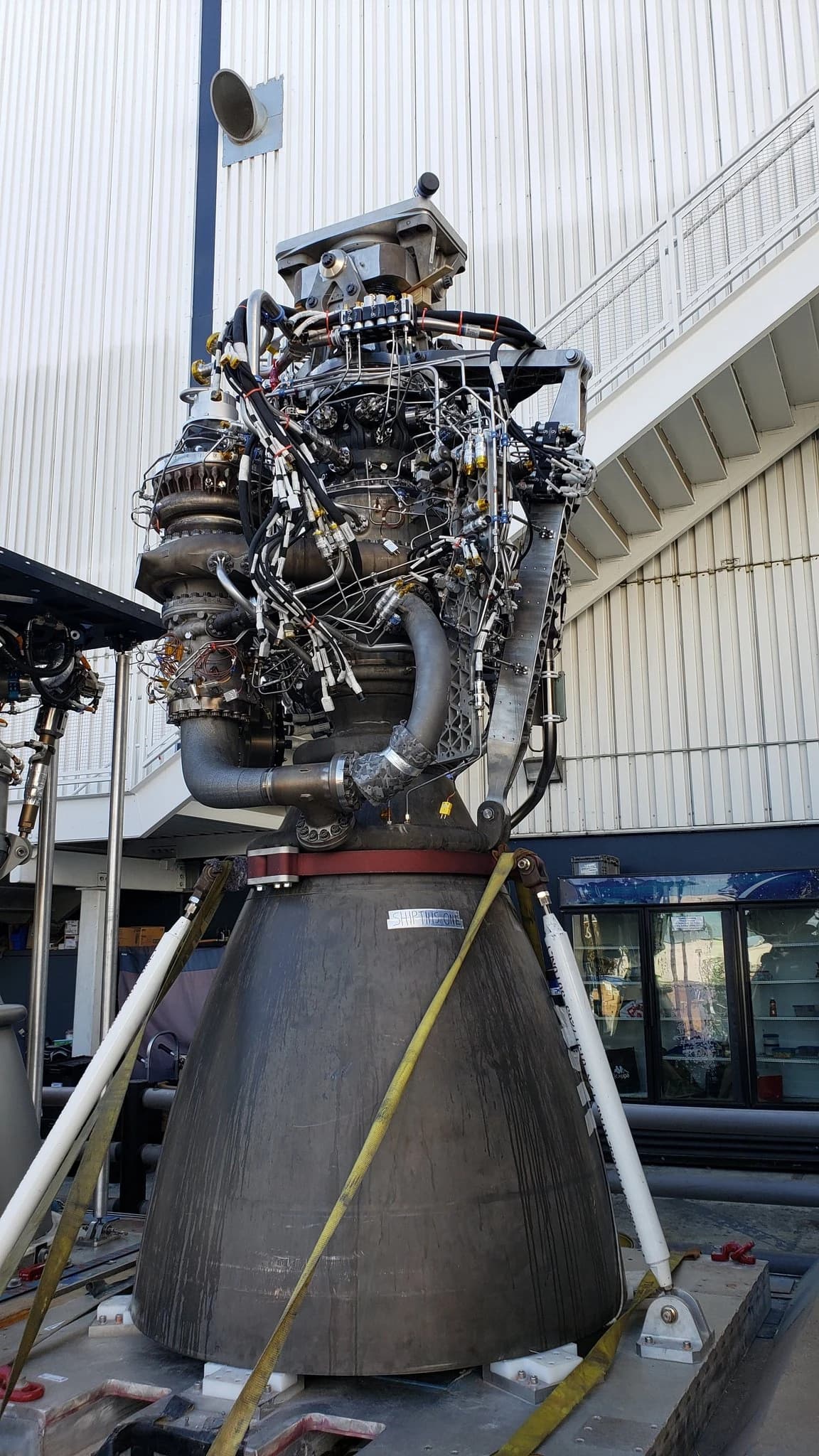
That matters because Tesla is no longer being valued purely as an auto manufacturer. The market is still assigning a premium to the company’s software stack, driver-assistance roadmap and manufacturing automation, even after a profit decline cited in recent company commentary. In other words, the central question is whether Tesla’s technology progress can justify the valuation if margins remain under strain.
Sentiment Indicators
The stock closed at $400.56 in the latest session, after touching $403.82 earlier in the week, and remains well above its 50-day moving average of $371.45 and 200-day average of $384.94. Technical momentum is still constructive, with the relative strength index at 65.4 and the MACD above its signal line. That points to persistent buying interest, though not without signs of overheating after the shares traded as high as $489.88 earlier in the cycle, when RSI readings topped 80.
Adalytica’s Tesla Earnings Sentiment snapshot also shows a sharp divergence between enthusiasm and underlying conviction: sentiment is at 89, labeled “Extreme Greed,” while awareness sits at 14, or “Extreme Fear.” That split suggests investors are eager to chase the Tesla technology narrative, but the broader market is not yet uniformly aligned on how durable that optimism is.
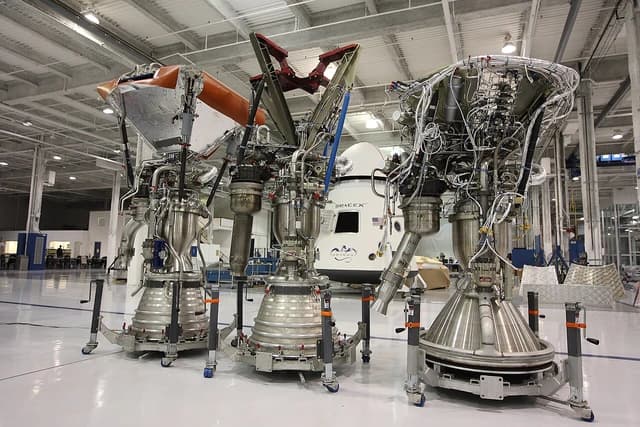
The story is bigger than a stock chart. Tesla has long sold investors on the idea that its real business is not just EVs but a stack of technologies spanning batteries, software, autonomy and manufacturing systems. That thesis becomes more important when profit growth slows, because the company needs technology leadership to defend its premium multiple. If Tesla can keep advancing in areas such as vehicle software and autonomous driving, bulls argue the company can still compound value even in a tougher automotive backdrop.
The bear case is that technology promises are running ahead of monetization. Higher R&D spending can support future products, but it also weighs on margins in the short term, and recent filings show Tesla has been committing materially more capital to development. For investors, that creates a familiar trade-off: the stock can outperform if Tesla proves its AI and autonomy roadmap, but it becomes vulnerable if the market starts demanding harder evidence of earnings leverage.
The broader implication is that Tesla is increasingly being priced like a platform company, not an assembler of cars. That keeps the stock sensitive to every update on software, robotics, AI and manufacturing efficiency, while making profit trends and cash conversion less forgiving. The next catalyst will be whether Tesla can show that its technology push is translating into durable revenue and margin gains, rather than just keeping the story alive.
| Entity | Gains | Losses |
|---|---|---|
| Tesla bulls | ▲Tech premium holds | ▼Near-term margin caution |
| Tesla bears | ▲Profit pressure narrative | ▼Valuation de-rates if autonomy gains traction |
| Long-term investors | ▲Upside from AI/autonomy optionality | ▼Volatility from execution risk |
| Rival automakers | ▲Clearer benchmark for EV software spending | ▼Pressure to match Tesla’s pace |