Tesla expanded its robotaxi service to Fort Worth, Texas, but the market response was muted, underscoring that investors still want proof the company can turn small-scale autonomous launches into a meaningful business rather than a headline-driven trade.
Tesla expands robotaxi service to Fort Worth
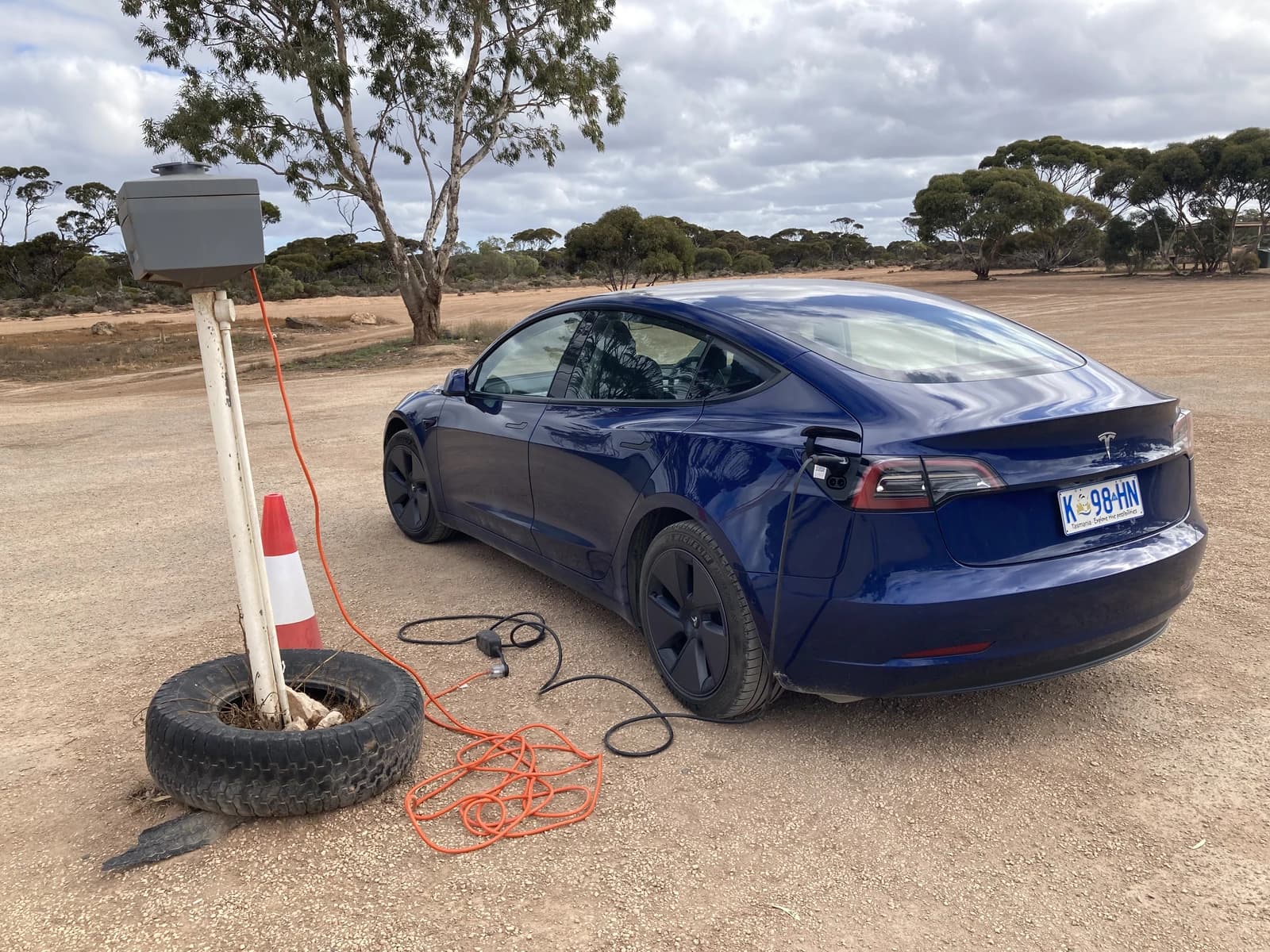
The rollout, disclosed in a social media post, makes Fort Worth the seventh city across Texas and Florida where Tesla’s robotaxi service is now available. The service area in Fort Worth spans 143 square miles, showing Tesla is widening coverage beyond a test market, but not yet at a scale that changes the company’s near-term earnings profile.
Sentiment Indicators
That gap between operational progress and financial impact is what matters most. Tesla’s core valuation case increasingly depends on autonomy, robotaxis and software rather than vehicle sales alone, yet each expansion remains geofenced and limited. Investors have been willing to reward the story at times, but the stock’s failure to sustain gains on the Fort Worth news suggests the market is becoming more selective about how much future robotaxi upside it discounts.
Tesla shares were last trading around $403, above the 50-day moving average of about $370 and the 200-day average near $385, indicating the stock remains in an uptrend on conventional technical measures. But momentum has cooled: the RSI is around 63, no longer deeply overbought, while the recent move has not broken decisively higher on the Fort Worth update. That fits a market that sees progress, but not enough to re-rate the stock again without evidence of broader adoption, clearer regulation or a stronger monetization model.
The competitive backdrop also matters. Uber and Lyft are already trying to position themselves as platforms that could host autonomous vehicles from multiple developers, while rivals such as Waymo and other automakers are pushing their own driverless programs. Tesla’s advantage is vertical integration and a large installed fleet, but its challenge is execution: scaling safely, winning regulatory trust and showing that robotaxi deployment can become recurring revenue rather than a novelty.
For investors, the key question is whether each new city is a step toward a network effect or simply another incremental test. If Tesla can keep expanding service areas and demonstrate reliable utilization, the robotaxi narrative can support the shares even when car demand is uneven. If not, the stock is likely to remain hostage to expectations that outrun the pace of deployment.
| Entity | Gains | Losses |
|---|---|---|
| Tesla | ▲Robotaxi footprint expands | ▼Rally loses momentum |
| Tesla bulls | ▲More autonomy proof points | ▼Need harder evidence of monetization |
| Uber | ▲Autonomous partnership narrative | ▼Tesla encroaches on future ridehail value |
| Lyft | ▲Industry validation for AV adoption | ▼Faces more competition for eventual AV supply |