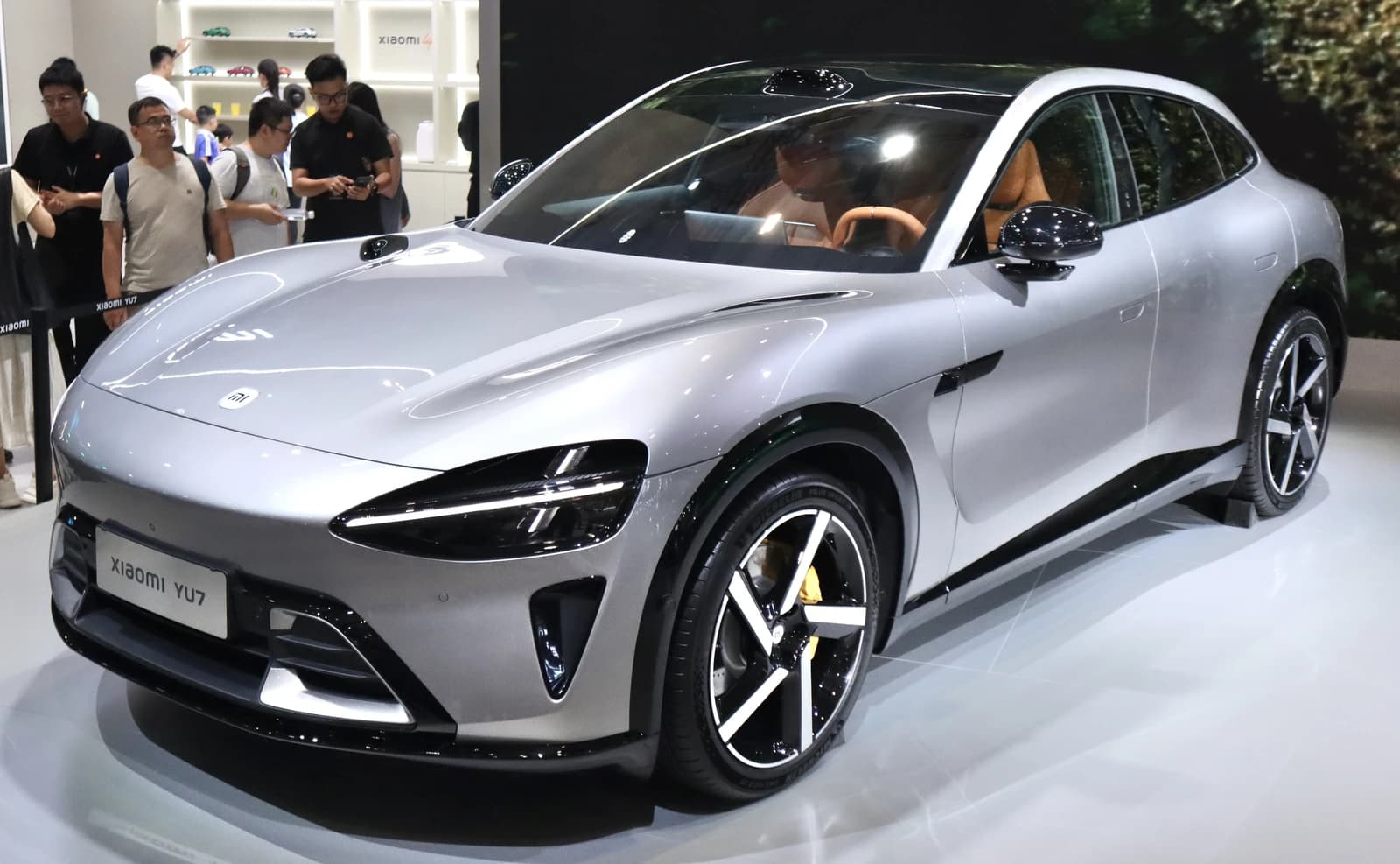
Ford Chief Executive Jim Farley is pushing Washington to draw a harder line around the U.S. auto market, warning that America risks repeating Europe’s mistake as Chinese brands and Chinese-backed manufacturers expand globally. For investors, the message matters because a looser policy would intensify price competition, pressure margins across Detroit, and accelerate a shakeout in an industry already facing heavy capital demands from electrification and software.
Ford urges Washington to limit Chinese automakers

Farley’s argument is simple: once foreign rivals gain scale, it becomes much harder to stop them. He pointed to Europe, where Chinese-made vehicles have quickly won share and forced local producers to defend their turf. That matters economically because autos are not just another consumer category; they support a huge web of parts suppliers, dealerships, logistics firms, and industrial jobs. If Chinese entrants are allowed in at scale, the competitive pressure would likely show up first in pricing, then in margins, and eventually in investment plans for domestic manufacturers.
Sentiment IndicatorsⓘProprietary · adalytica.com · October 21, 2026
This is a snapshot — live sentiment, awareness and momentum for 130+ markets update continuously in the dashboard.Open AlphaPulse
The policy debate in Washington is already moving in that direction. Lawmakers are weighing a bill that would bar carmakers with more than 15% Chinese ownership from selling in the U.S., though there may be exceptions for brands such as Mercedes-Benz and Volvo. Any such rule would reshape who can compete in the world’s second-largest auto market and could influence where capital gets deployed over the next several years. For Ford, General Motors and even Tesla, the stakes are obvious: a more protected home market would preserve pricing power, while a more open one could force deeper discounting just as companies are trying to fund batteries, software and autonomous technology.
The broader backdrop is not comforting for U.S. incumbents. China has become the global center of EV manufacturing and is moving fast in adjacent technologies, while U.S. dealers are already adopting AI at high rates to keep up with changing retail expectations. At the same time, Ford shares have been under pressure recently, with the stock slipping below both its 50-day and 200-day moving averages, a reminder that investors remain skeptical about near-term earnings durability even when the long-term franchise remains intact.
For long-term investors, the real issue is whether Detroit can compete on a level playing field without sacrificing profitability. Protectionist policy may help preserve the domestic industry’s economics in the near term, but it does not replace the need for better vehicles, lower costs and stronger brands. That is why this story is worth watching closely: it could influence everything from auto pricing and supplier profits to the speed of the EV transition and the valuation of U.S. automakers for years to come.
| Entity | Gains | Losses |
|---|---|---|
| Ford and GM | ▲Less Chinese competition | ▼Lower pricing pressure |
| Chinese automakers | ▲Access to U.S. market | ▼Higher trade barriers |
| U.S. suppliers and dealers | ▲Stronger domestic demand | ▼Risk of import disruption |
| Consumers | ▲Potentially steadier local supply | ▼Fewer low-cost choices |