Germany’s hardening stance on China could reshape the balance of power in Europe’s trade fight with Beijing, because Berlin is no longer treating the protection of its exporters as a reason to stand aside while Chinese overcapacity, subsidies and market access barriers squeeze Europe’s industrial base.
Germany backs tougher EU trade stance on China
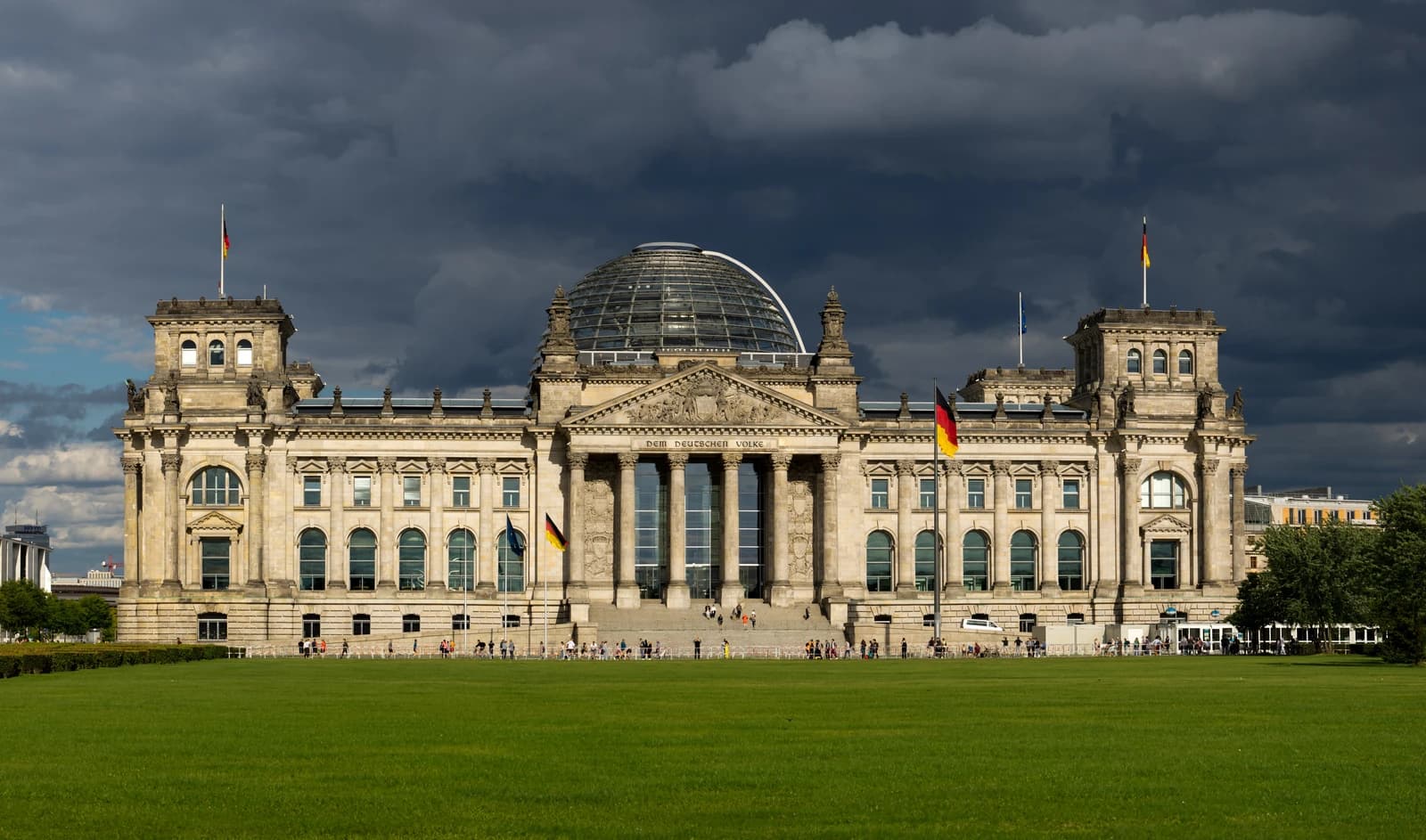
For years, Germany blocked a tougher line on China out of fear that retaliation would hit its carmakers and machinery groups. That caution is now giving way to a more confrontational strategy. Chancellor Friedrich Merz and French President Emmanuel Macron have urged the European Commission to create a new tool that would let the EU exclude a trading partner from the single market if it keeps using unfair practices. The letter was aimed squarely at Beijing, and it landed as Brussels and China held sensitive trade talks in the Chinese capital.
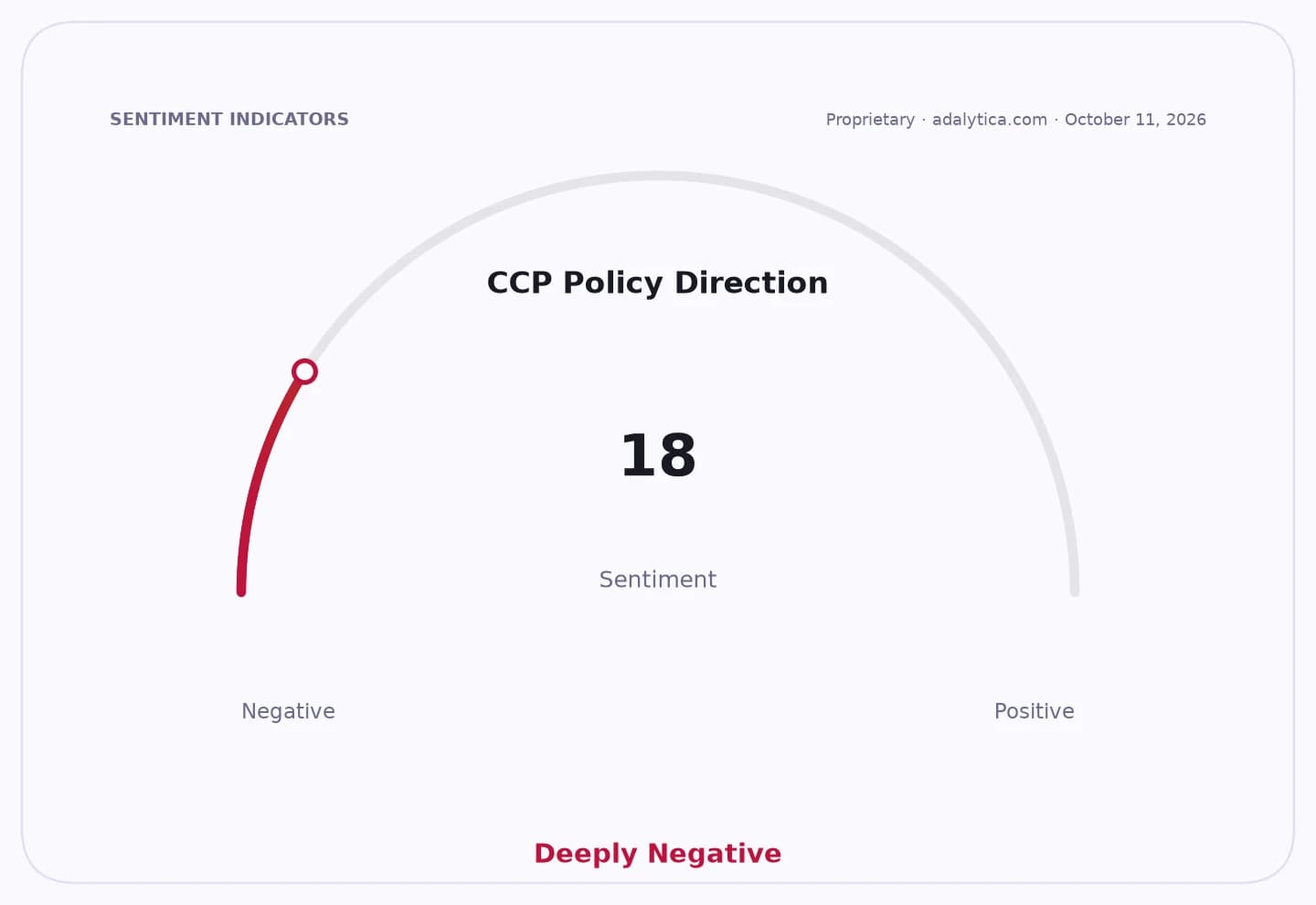
Sentiment IndicatorsⓘProprietary · adalytica.com · October 21, 2026
This is a snapshot — live sentiment, awareness and momentum for 130+ markets update continuously in the dashboard.Open AlphaPulse

That matters because Germany has been the EU’s biggest brake on trade defense. Once Berlin shifts, Brussels can move faster on tariffs, import limits and industrial protection. The economic case is blunt: Germany’s exports to China have been deteriorating for years, while Chinese rivals have moved up the value chain, undercutting European producers with lower costs and state support. China has fallen from Germany’s second-largest export market in 2021 to ninth place in the first half of 2026, according to Germany Trade & Invest. German car exports to China dropped 66% between 2022 and 2025, a hit that has gone from painful to existential for parts of the auto supply chain.
Investors should read this as a policy inflection point, not just diplomatic theater. The market has long priced German industry as a hostage to China demand; now the bigger risk is that Germany actively supports restrictions that accelerate decoupling in strategic sectors. That cuts both ways. Domestic winners could include firms tied to industrial reshoring, defense supply chains and critical materials substitution. Losers include Chinese exporters selling into Europe, and German automakers and machinery makers still exposed to a messy transition in which they face retaliation abroad and tougher competition at home.

The pressure is coming from industry, not just politicians. The German auto lobby has warned that Chinese electric-vehicle brands are no longer only taking share in China, but increasingly in Europe too. New Chinese-made car imports into Germany jumped 121% in the first seven months of the year and accounted for nearly 14% of all imported vehicles, according to Destatis. At the same time, German firms face rising job cuts and possible plant closures as Chinese rivals close the technology gap and exploit state support.
The biggest strategic lever is rare earths. Berlin’s anxiety is not only about dumping; it is also about China’s near-monopoly over rare earth minerals and magnets, which are essential for autos, renewable energy and defense. That gives Beijing leverage over Europe’s industrial future, and it explains why Germany is now more willing to back new EU defenses. Bloomberg has reported that Brussels is exploring a “switch” that could shield Europe from any Chinese move to choke off those exports, while also considering caps on Chinese hybrid-vehicle shipments.
The compromise already emerging between the EU and China on hybrid and plug-in hybrid cars shows how far the pressure has gone. If the reported quota of 350,000 vehicles a year is implemented, rising only 6% annually for four years, it would still mark a meaningful curb on Chinese access to the European market. More importantly, it would confirm that Europe is moving from passive complaint to active market management.
For investors, the tradeoff is straightforward: Europe’s industrial policy is becoming more protectionist, and Germany is finally endorsing that shift. That is bullish for select European defense, electrification and industrial automation plays tied to reindustrialization and supply-chain security. It is bearish for companies dependent on open access to China or cheap Chinese inputs. The market underestimates how much this policy pivot can reprice capital flows across autos, machinery, chemicals and critical minerals over the next several years. Position early in the beneficiaries of Europe’s strategic hardening; the losers are only beginning to show up.
| Entity | Gains | Losses |
|---|---|---|
| EU industrial-policy beneficiaries | ▲More protection from Chinese competition | ▼Higher input costs |
| German auto and machinery lobbies | ▲Political backing for trade defense | ▼Near-term retaliation risk |
| Chinese exporters to Europe | ▲Quota clarity if negotiated | ▼Market access, volumes |
| Rare earth and defense supply-chain firms | ▲Fresh strategic urgency | ▼Dependence on China remains a risk |