Germany’s economy is turning higher after three years of near-stagnation, and that matters because even a modest recovery could ease voter anger that has powered the far-right Alternative for Germany and eroded Chancellor Friedrich Merz’s standing.
Germany growth outlook lifts EWG recovery trade
The shift is not dramatic, but it is broadening. The economy ministry now expects gross domestic product to rise 1.3% in 2026, up from a weaker outlook after first-half data showed stronger exports and higher public spending offsetting soft consumer demand. Bundesbank President Joachim Nagel has also said growth could reach 1% next year, while Germany’s top economic institutes more than doubled their joint forecast to 0.6% from the spring.
Sentiment IndicatorsⓘProprietary · adalytica.com · October 22, 2026
This is a snapshot — live sentiment, awareness and momentum for 130+ markets update continuously in the dashboard.Open AlphaPulse
For investors, that makes Germany less of a pure stagnation trade and more of a slow-recovery story, particularly for exporters and domestic cyclical names if demand improves. The iShares MSCI Germany ETF, EWG, has recovered to $41.70 after sliding as low as $37.45 in March, though technical indicators still point to only a partial repair: the fund remains just under its 50-day moving average of about $42.64 and its relative strength index has only recently climbed back above neutral.
The economic backdrop remains fragile. Germany is unusually exposed to global trade because exports account for roughly 40% of GDP, leaving its manufacturers vulnerable to Donald Trump’s tariff policy, China’s competitive push and elevated energy costs that continue to squeeze firms from BASF to Thyssenkrupp. The auto sector, which directly employs about 690,000 workers, remains central to whether the recovery reaches households as well as boardrooms.
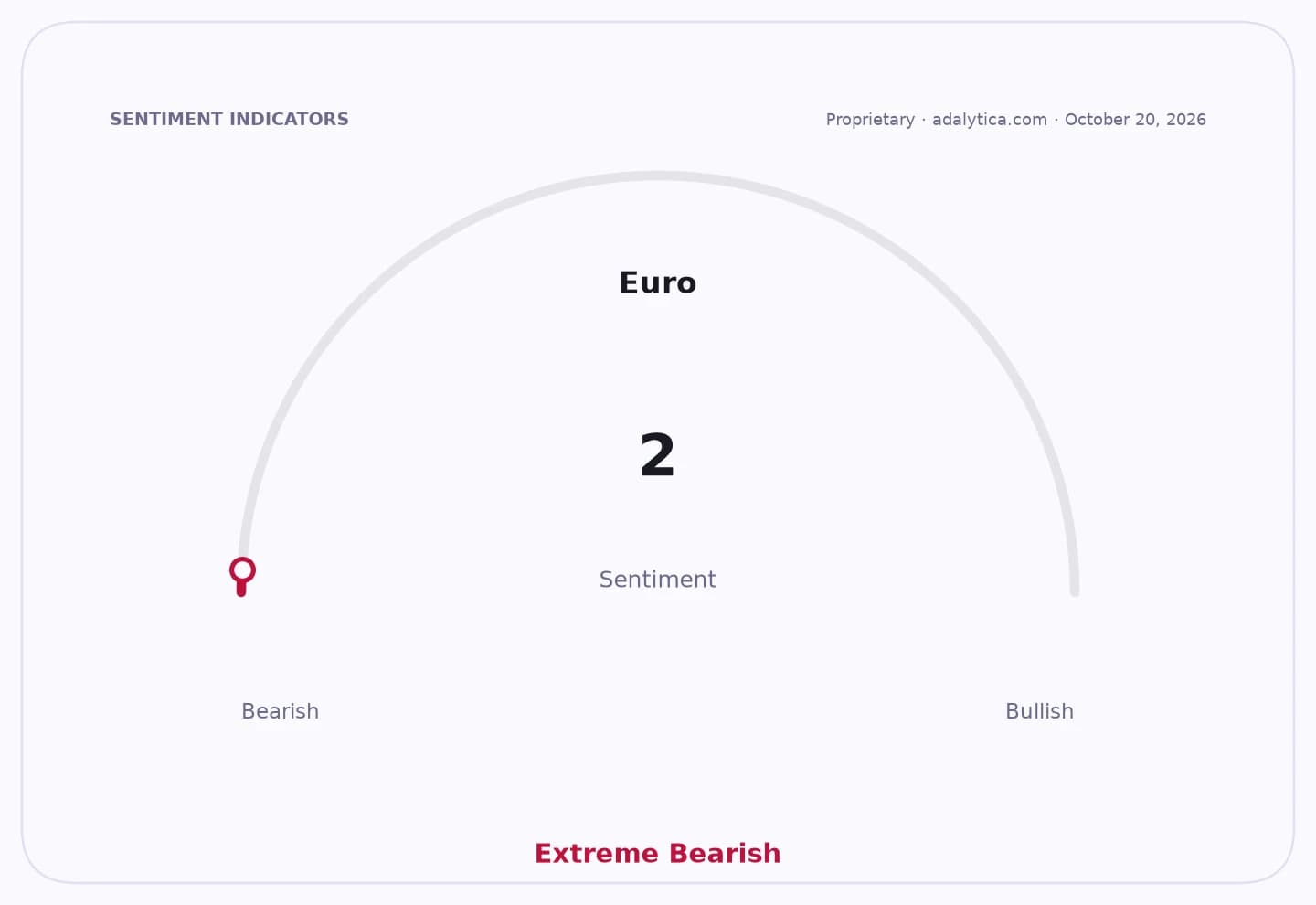
Euro — 30-day sentimentadalytica.com
Explore this data interactively — full history, time series and cross-market comparisons.Open AlphaPulse
That is why the political stakes are so high. Merz took office in May 2025 but has struggled to connect with voters, with his approval rating around 10%, while CDU/CSU trails AfD by 11 percentage points in national polls. In an ARD-DeutschlandTrend survey, just 1% of AfD voters said they were satisfied with the government, underlining how little goodwill the chancellor currently commands among the opposition’s base.
The narrative for Merz is clear: stronger growth could buy time, but it may not be enough on its own to reverse political drift. Economists including DIW’s Marcel Fratzscher say Berlin needs faster deregulation, tax relief and the delivery of promised public investment equal to about 1% of GDP a year if it wants to lift business confidence and blunt support for nationalist parties.
The next real test comes in April 2027, when state elections will show whether better economic numbers translate into political damage control. Until then, Germany’s recovery — if it holds — is likely to be measured as much in polling trends as in GDP.
| Entity | Gains | Losses |
|---|---|---|
| German exporters | ▲Stronger demand, better revenues | ▼Tariff and China pressure |
| Merz government | ▲Chance to rebuild credibility | ▼AfD momentum if recovery stalls |
| AfD | ▲Protests benefit if economy weakens | ▼Voter anger eases as growth returns |
| EWG / Germany equities | ▲Recovery trade, cyclical upside | ▼If growth disappoints, valuations stay capped |