Ferrari, Italy’s famous car company, has turned a history of financial strain into one of the strongest scarcity-driven business models in luxury autos — and investors are again testing how much that resilience is worth.
Ferrari Rebound Tests Luxury Scarcity Premium
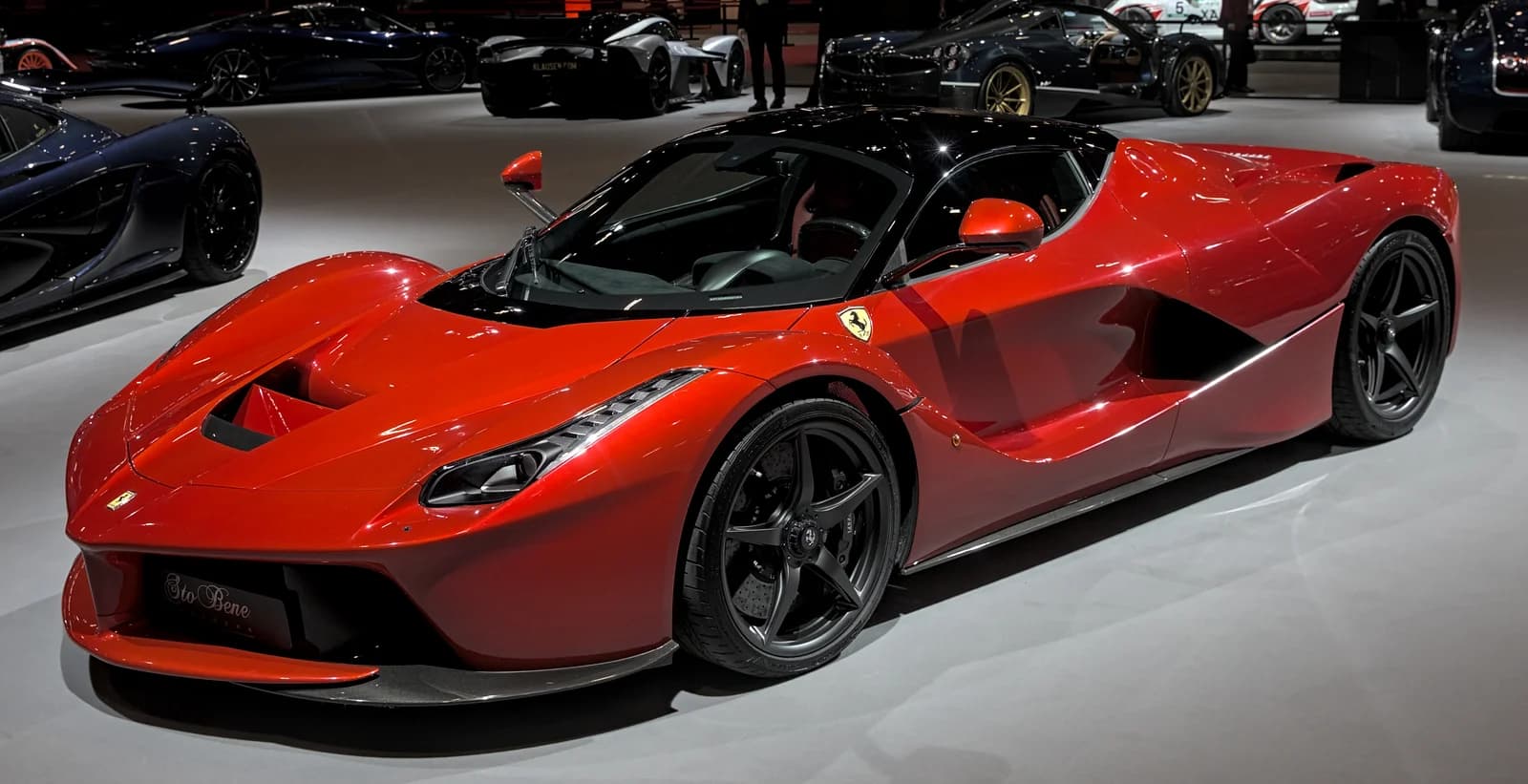
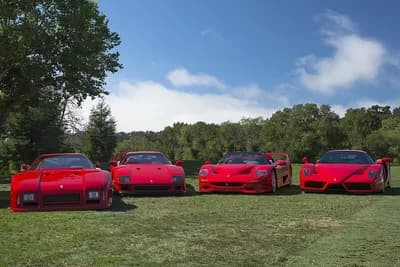
The economic point is not nostalgia. Ferrari’s survival through two serious financial crises helped forge the model that now separates it from ordinary carmakers: limited supply, high prices, racing prestige and a customer base wealthy enough to absorb economic shocks. In an auto industry wrestling with electrification costs, regulation and softer consumer demand, Ferrari’s value rests on whether it can keep behaving more like a luxury house than a manufacturer.
That distinction is showing up in markets. Ferrari N.V. shares, traded under the ticker RACE, closed at $376.64 on July 10, up about 21% from a March low of $311.04. The stock has moved back above both its 50-day moving average of $350.65 and 200-day moving average of $367.24, conventional technical markers that investors often use to judge whether a recovery has staying power. The rebound is still incomplete: RACE remains well below its September 2025 close of $464.67, a reminder that even luxury scarcity does not make the stock immune to valuation resets.
Ferrari’s current narrative is being reinforced on the track. Charles Leclerc’s victory at the British Grand Prix in Silverstone, alongside technical upgrades and input from figures including Lewis Hamilton, has given the Formula 1 team renewed credibility in a season of intense competition. For Ferrari, racing is not a side project. It is the engine of the brand story that allows the company to sell fewer cars at richer prices than almost any rival.
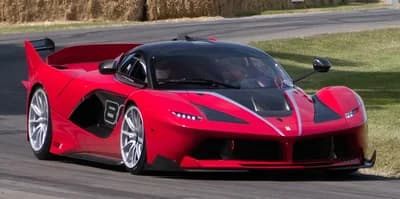
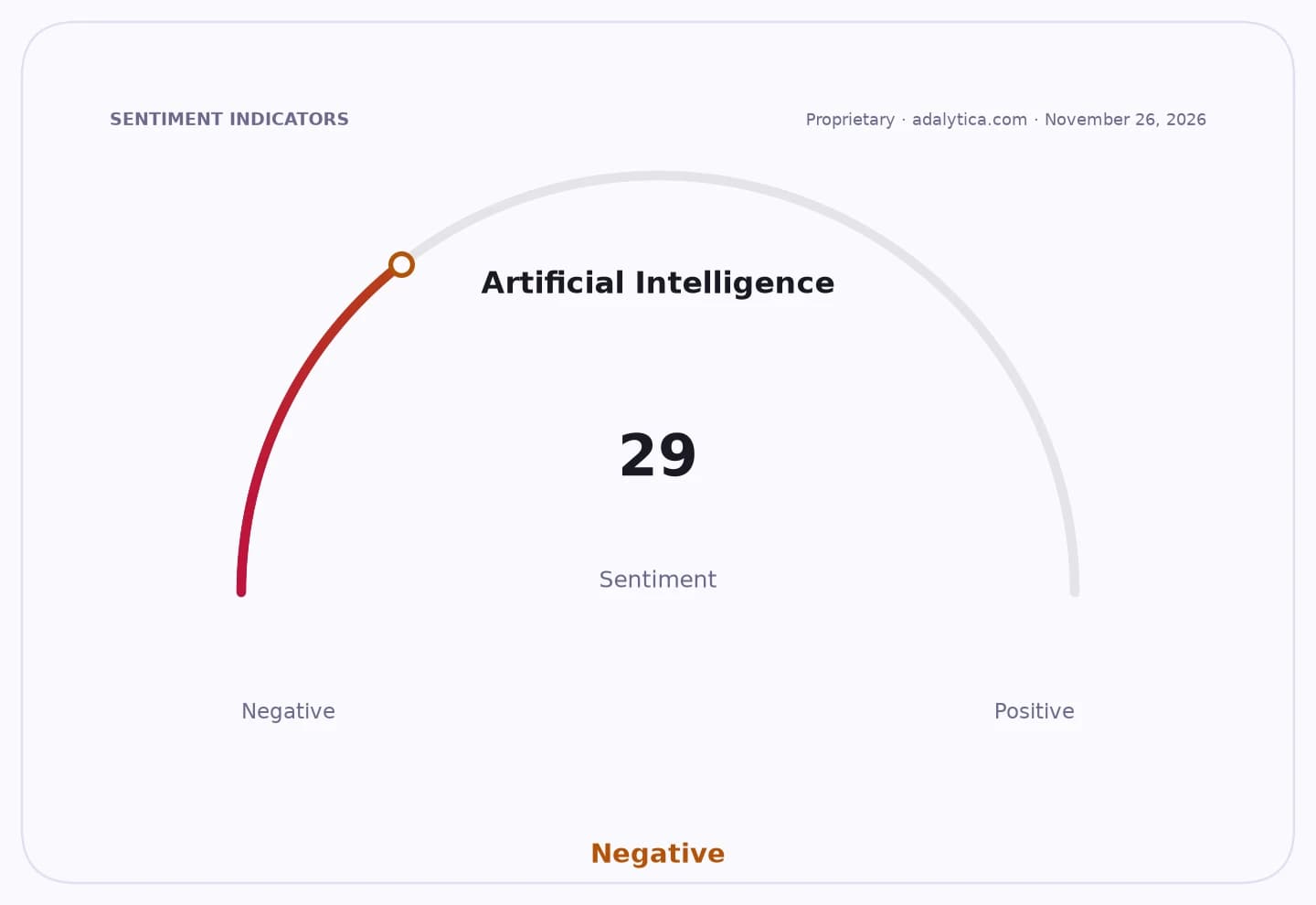
That is why sporting momentum can matter to shareholders. A winning Ferrari team strengthens the mythology around the road cars, supports demand from collectors and helps justify premium pricing. Adalytica.com’s proprietary sentiment reading of 0.45 points to a mildly positive backdrop around the brand, consistent with the market’s recovery but not yet a full return to last year’s enthusiasm.
The risks are equally clear. Ferrari’s stock is priced for exceptional execution, and investors are less forgiving when growth companies trade on brand power rather than volume expansion. The July 10 close came on volume of 250,100 shares, lighter than several earlier selloff and rebound sessions, suggesting the recovery has not been accompanied by a decisive surge in trading conviction. RSI readings around 58.7, another conventional technical indicator, show improving momentum without the extreme conditions seen during the March rout.
Ferrari’s transformation from crisis-prone Italian racing company to global supercar benchmark remains one of the strongest stories in luxury manufacturing. The next test is whether that history can keep supporting a premium valuation as markets demand proof that scarcity, Formula 1 success and affluent demand can still overcome a tougher macro backdrop.
| Entity | Gains | Losses |
|---|---|---|
| Ferrari shareholders | ▲Recovery above key averages | ▼Still below 2025 peak |
| Ferrari customers and collectors | ▲Stronger brand cachet | ▼Less bargaining power |
| Rival supercar makers | ▲More attention on the segment | ▼Ferrari racing momentum |
| RACE short sellers | ▲Valuation concerns remain | ▼Rebound pressure |