Ferrari’s collapse in Las Vegas qualifying, capped by Charles Leclerc’s elimination in Q2, sharpened concerns that the team is still losing critical time in the fastest parts of the lap and not extracting enough from a car that remains second in the constructors’ standings.
Ferrari shares slip after Las Vegas F1 qualifying
The result matters because in Formula 1, qualifying on a street circuit like Las Vegas is often the difference between salvaging points and spending the race stuck in traffic. Ferrari’s pain was not just Leclerc’s exit. The team’s broader weekend underlined a persistent performance gap, with Hamilton’s Ferrari only managing seventh in the race and the squad again unable to match Max Verstappen’s benchmark pace. Mercedes, meanwhile, protected its lead in the World Constructors’ Championship, leaving Ferrari to defend second place rather than threaten for the title.
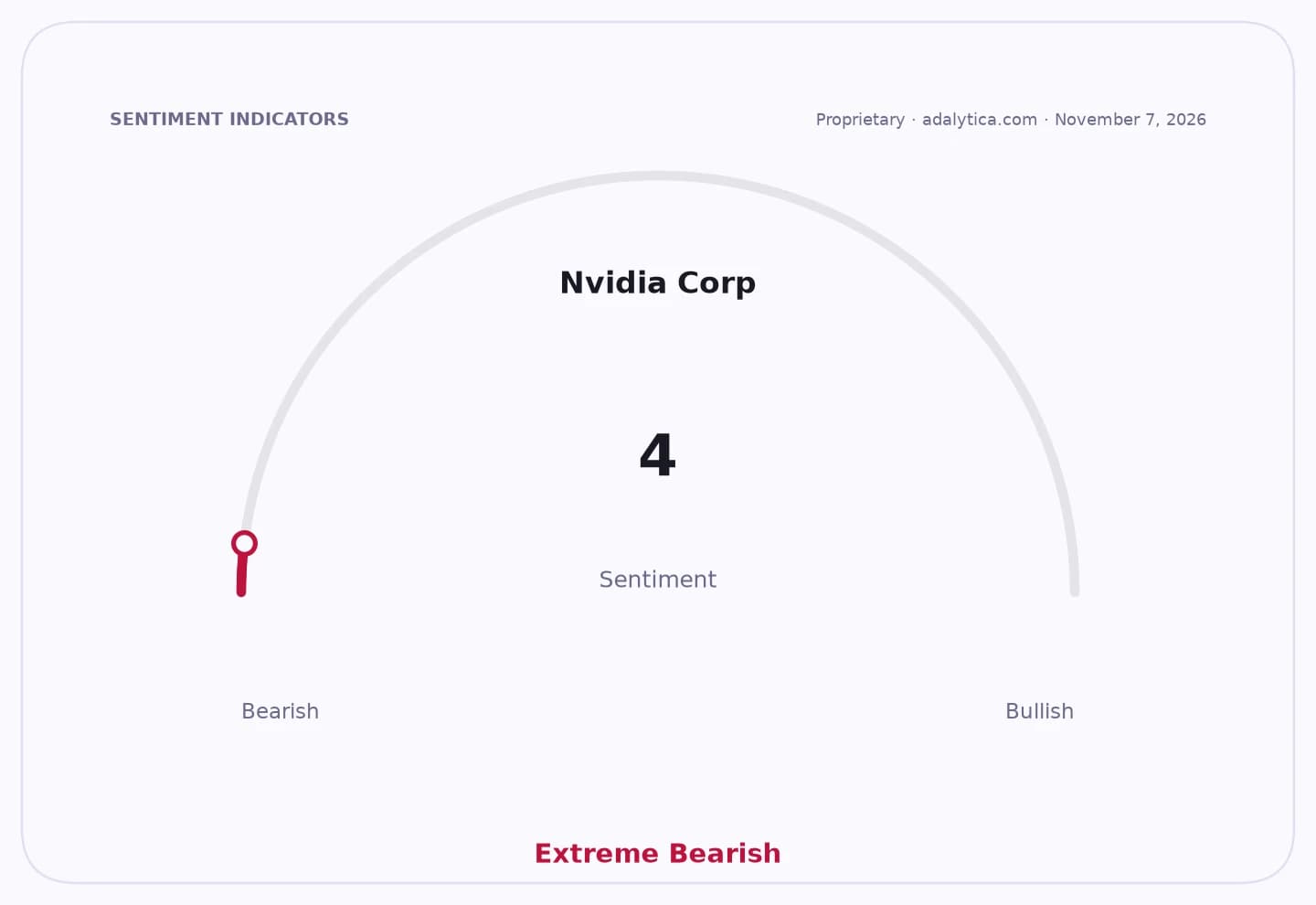
Sentiment Indicators
For investors in Ferrari N.V. — whose shares have been volatile but still trade well above their 50-day moving average — the sporting setback matters because the brand’s equity story depends on winning visibility, margin discipline and sustained premium appeal. The stock closed at $392.47 on Friday, below its 50-day average of $402.10 and down from $436.54 in August, a sign that momentum has cooled even as the broader long-term trend remains intact above the 200-day moving average of $373.67. RSI at 45.2 points to a stock that is neither deeply oversold nor in clear breakout territory, while the MACD has slipped below its signal line, reflecting fading near-term momentum.
The market backdrop is also poor. Adalytica’s S&P 500 trade signals show “Extreme Fear” in sentiment even as awareness remains elevated, a reminder that investors are already more cautious about cyclicals and high-multiple consumer names. In that setting, Ferrari needs proof that its racing program can still justify the scarcity premium and global marketing value that comes from competing at the front. A weekend that amplifies internal frustration inside the garage does the opposite: it raises questions about execution, driver harmony and whether the current package can consistently convert brand strength into track results.
There is still a bull case. Ferrari remains second in the championship and one bad qualifying session does not reset the longer-term franchise value. Brand power, pricing power and limited-volume luxury exposure continue to support the investment case. But the bear case is harder to ignore after Las Vegas: if Ferrari cannot solve straight-line inefficiency and qualifying inconsistency, it risks drifting into a pattern of podiums too infrequent to satisfy fans and too weak to sustain momentum in the shares.
What matters next is whether Ferrari can turn frustration into upgrades and cleaner execution in the remaining races. If the team cannot close the gap to Red Bull and Mercedes soon, the sporting narrative will keep weighing on investor confidence, even if the business itself remains structurally stronger than the weekend results suggest.
| Entity | Gains | Losses |
|---|---|---|
| Red Bull / Verstappen | ▲Win and momentum | ▼Less competition pressure |
| Mercedes | ▲Championship lead preserved | ▼Ferrari challenge eased |
| Ferrari N.V. | ▲Brand visibility from F1 remains | ▼Track credibility and investor momentum |
| Ferrari shareholders | ▲Long-term luxury brand support | ▼Near-term sentiment and stock momentum |