Ford has temporarily halted production of its F-150 pickup at the Dearborn Truck Plant, a disruption that matters because the full-size truck is the company’s most important profit engine and one of the biggest sources of earnings in US autos.
Ford F-150 Production Halt Hits Dearborn Plant
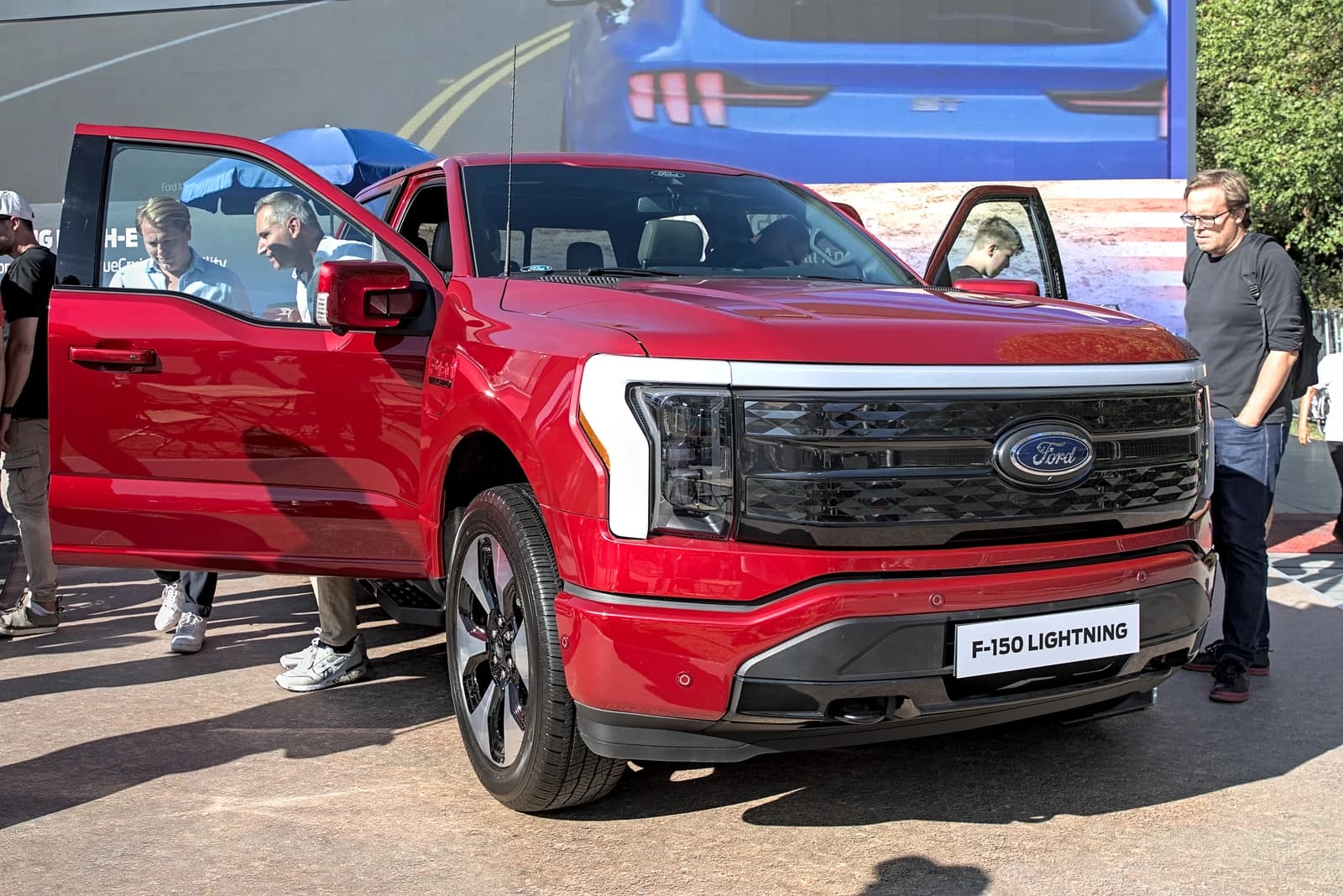
The shutdown, which began Thursday and is not expected to end before Sept. 29, affects about 3,500 to 4,000 workers, according to an internal memo seen by Reuters. Ford has also cut production of F-Series trucks at its Kansas City Assembly plant, suggesting the problem is not confined to a single line but is instead hitting a core part of the automaker’s North American truck network. Ford has not disclosed the cause.
For investors, the immediate issue is not just lost output but the margin sensitivity of Ford’s truck franchise. Full-size pickups generate a disproportionate share of automotive profits, so even a short interruption can pressure quarterly volumes, working-capital flow and dealer inventories. Ford has already warned in recent filings that supplier disruptions can force stockpiling of components or raw materials and create cash outflows during shutdown periods. A prolonged stoppage would raise the odds of higher costs from overtime, logistics rerouting and expedited parts sourcing once production resumes.
The timing is awkward for Ford because its shares have already weakened recently, reflecting investor concern over execution and cyclical demand. The stock closed at $12.10 on Oct. 2, well below its 50-day moving average of $13.75, while its relative strength index of 19.9 points to deeply oversold conditions. That leaves room for a relief rebound if the outage proves brief, but it also leaves Ford exposed if the disruption turns out to be a deeper supply issue.
The problem also carries broader implications for the US auto sector, where tight supply chains and plant stoppages can quickly ripple through parts suppliers and dealer lots. Related supplier filings this year have pointed to restructuring actions and customer-driven production changes across the industry. If Ford’s outage stems from a component bottleneck, the impact could spread beyond Dearborn and Kansas City to suppliers already operating on thin schedules.
By contrast, rivals such as General Motors and Toyota are insulated for now, but any sustained Ford downtime could hand them a short-term advantage in the lucrative full-size truck market. The main question for investors is how quickly Ford can restore production and whether management must follow with a larger disclosure about a supplier, labor or quality issue. Until then, the outage is a reminder that Ford’s most valuable product is only as resilient as the chain that feeds it.
| Entity | Gains | Losses |
|---|---|---|
| Ford dealers with available inventory | ▲Short-term scarcity pricing | ▼F-150 production volume |
| Ford suppliers tied to the outage | ▲Potential rush orders later | ▼Near-term plant demand |
| GM and Toyota truck rivals | ▲Relative market share opportunity | ▼None immediate |
| Ford shareholders | ▲Possible oversold rebound if brief | ▼Earnings and cash flow |