Ford Motor is adding 3.0-liter V6 versions of the Everest and Ranger Platinum in Indonesia, a move that signals it wants a bigger share of the region’s highest-margin utility vehicle buyers rather than chase volume with cheaper models.
Ford Pivots to Higher-Margin V6 Models in Indonesia
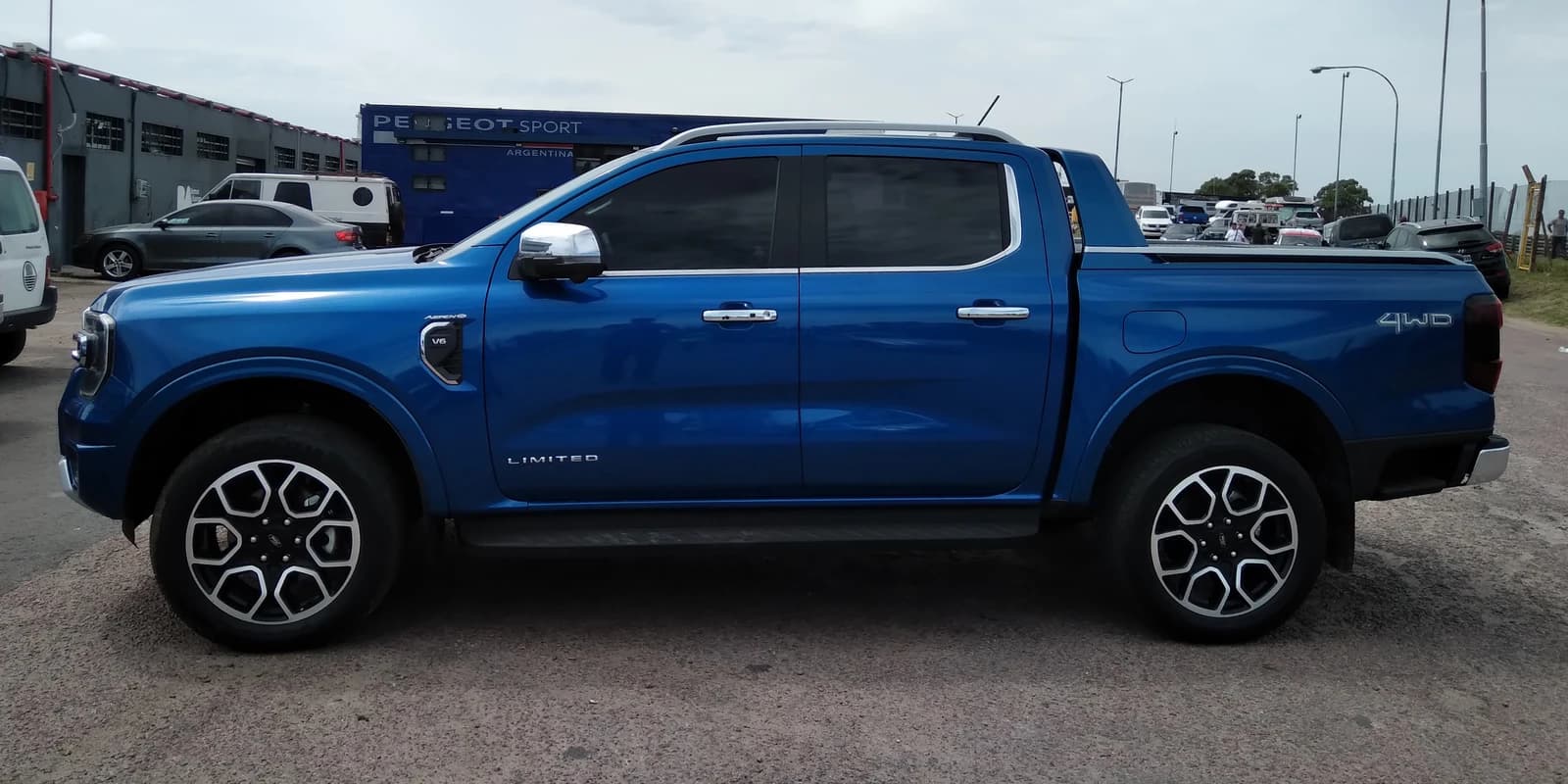
The significance is less about the launch itself than about where Ford is placing its bets. Indonesia remains one of Southeast Asia’s largest and most competitive auto markets, and premium SUVs and pickups are among the few segments still offering meaningful pricing power. By introducing larger-engine, higher-trim variants, Ford is targeting customers willing to pay for performance, towing capability and status — the mix that supports better margins even when broader vehicle demand is uneven.
Sentiment IndicatorsⓘProprietary · adalytica.com · July 16, 2026
This is a snapshot — live sentiment, awareness and momentum for 130+ markets update continuously in the dashboard.Open AlphaPulse
That matters because the Indonesian market has become more demanding for imported and semi-niche brands. Ford does not have the mass-market scale there that Japanese rivals enjoy, so its strategy has long depended on differentiated products that can command higher transaction prices. The Ranger, in particular, is central to that playbook globally, and the Platinum trim pushes it further upmarket. The Everest serves a similar role in the SUV lane, appealing to buyers who want off-road credibility with family use.
For investors, the key question is whether Ford can convert product interest into profitable, sustained sales rather than one-off showroom attention. A V6 launch can lift the brand’s image and improve revenue per unit, but it also increases exposure to fuel-cost sensitivity, import duties and consumer appetite for larger displacement engines in a market where affordability still matters. If the premium pitch works, it supports Ford’s effort to extract more value from a relatively small presence in Asia. If it does not, the company risks adding complexity without enough scale to justify the bet.
The move also fits a broader industry pattern: automakers are leaning on higher-content trims and specialized variants to offset softer volumes and protect returns. That is especially relevant as investors continue to scrutinize whether legacy carmakers can maintain pricing discipline after years of supply constraints. Ford’s Indonesian launch suggests the company sees room to keep using product mix as a lever, even as competition intensifies and buyers become more selective.
What to watch next is whether Ford pairs the launch with stronger regional marketing, dealer expansion and sales data that show demand for the V6 versions is more than symbolic. If the new models gain traction, Indonesia could become a useful example of Ford’s broader strategy: fewer cars, higher value, better economics.
| Entity | Gains | Losses |
|---|---|---|
| Ford | ▲Higher-margin mix | ▼Higher market risk |
| Indonesian premium buyers | ▲More choice | ▼Higher price point |
| Japanese rivals | ▲N/A | ▼More competition |
| Fuel-conscious buyers | ▲N/A | ▼Larger-engine appeal |