GAC’s partnership with Slovenia-based SEEAG to enter Croatia is another sign that Chinese automakers are pushing deeper into Europe, where buyers want more choice and lower-priced electric and hybrid vehicles. For investors, the deal matters because it shows how quickly Chinese brands are building distribution networks outside their home market — and how local partners are becoming the fast track into a fragmented but promising region.
GAC Partners With SEEAG to Enter Croatia
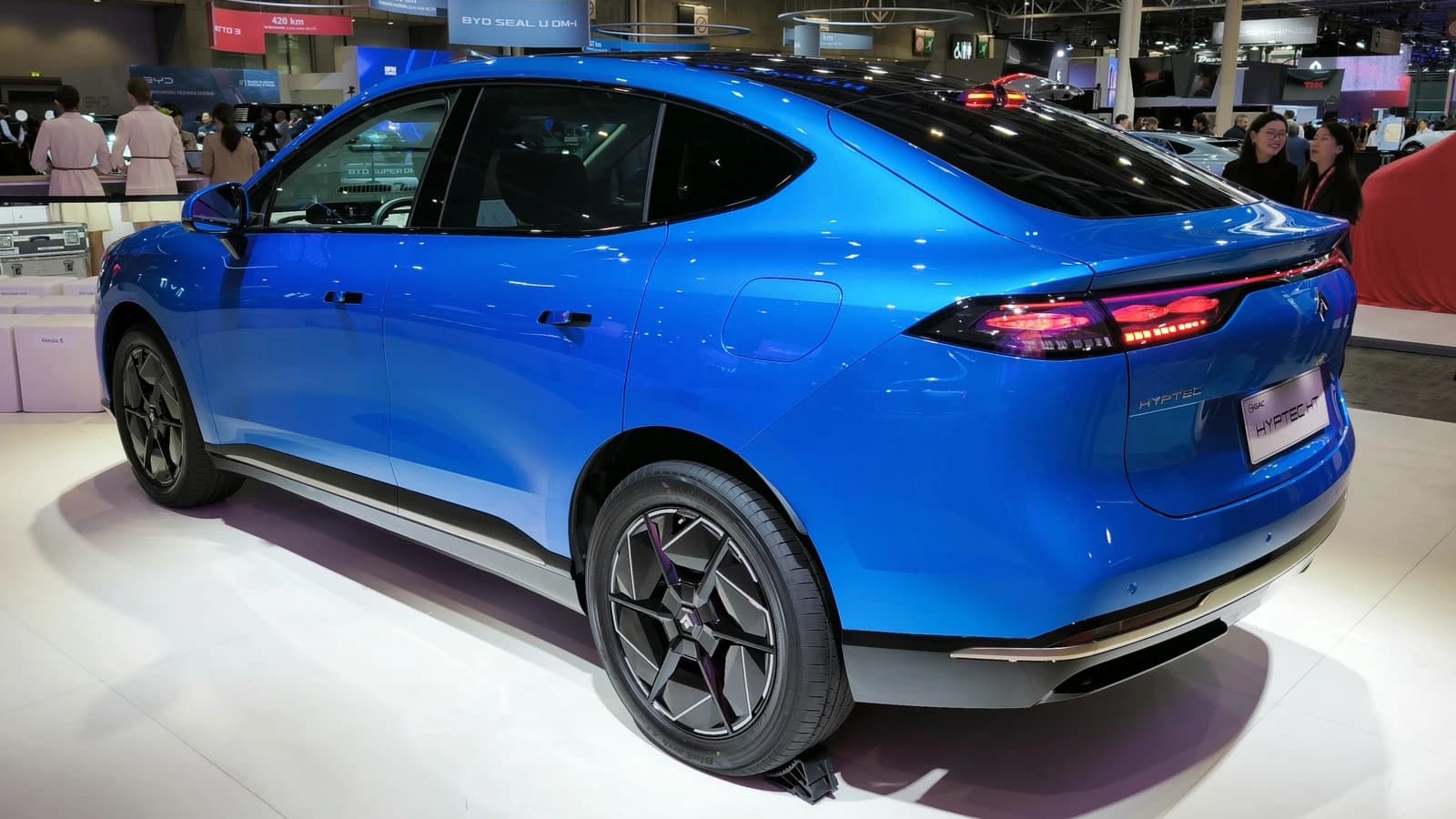
The move is important economically because car sales are never just about one model or one country. They depend on dealers, service networks, financing, and brand trust. By linking up with SEEAG, GAC is trying to solve the hardest part of European expansion: getting physical access to customers without the delay and cost of building everything from scratch. Croatia is a relatively small market on its own, but it sits inside a broader southeast European opportunity where imported brands can gain share if they offer the right price and equipment mix.
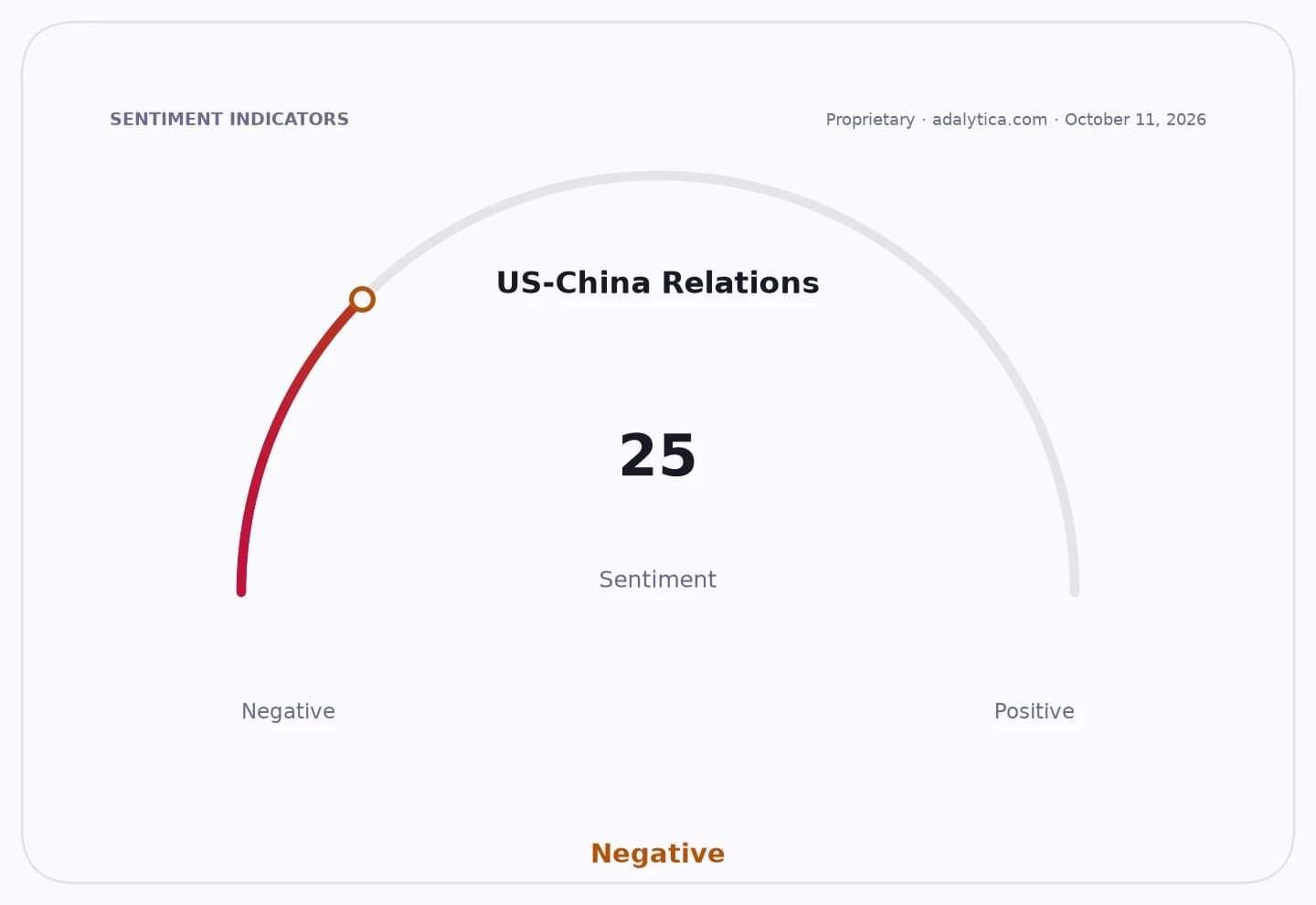
Sentiment IndicatorsⓘProprietary · adalytica.com · October 5, 2026
This is a snapshot — live sentiment, awareness and momentum for 130+ markets update continuously in the dashboard.Open AlphaPulse
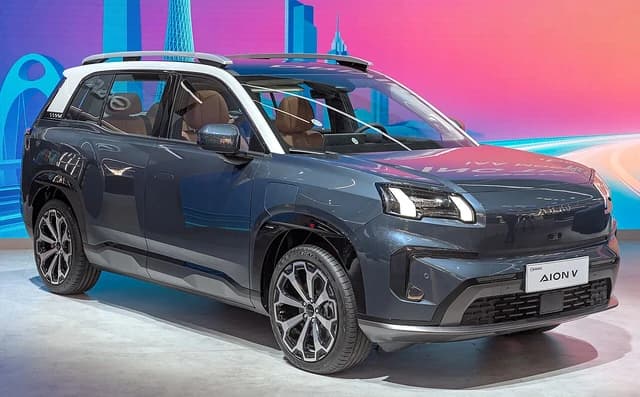
For investors, the key question is whether this is a one-off export arrangement or the start of a longer European push. Chinese automakers have been looking for ways around their reliance on domestic demand, and Europe remains one of the few major markets large enough to move the needle. A local partnership can help GAC limit execution risk, speed up sales, and test consumer appetite before committing more capital. It also puts pressure on established European and Japanese brands that are already fighting for margin in a market where price competition is intensifying.
The timing also fits a broader market backdrop in which investors are rewarding companies that can expand efficiently while preserving cash flow. That is especially true in autos, where scale and distribution matter almost as much as product. If GAC can use SEEAG to build a foothold in Croatia and potentially nearby markets, it would strengthen its long-term case as a regional growth story rather than just a domestic Chinese manufacturer.
The bigger risk is that Europe remains a tough regulatory and political environment for Chinese carmakers. Tariffs, local sourcing demands, and consumer skepticism can all slow adoption. Still, deals like this show how the industry is evolving: not through splashy headline launches, but through practical partnerships that give new entrants access to customers one market at a time. For long-term investors, that makes GAC worth watching, especially if it can turn this Croatia entry into a repeatable European playbook.
| Entity | Gains | Losses |
|---|---|---|
| GAC | ▲European market access | ▼Upfront expansion costs |
| SEEAG | ▲New product lineup | ▼Dependence on partner success |
| Croatian buyers | ▲More vehicle choices | ▼Greater price competition for local dealers |
| European incumbents | ▲— | ▼Share pressure from new entrants |