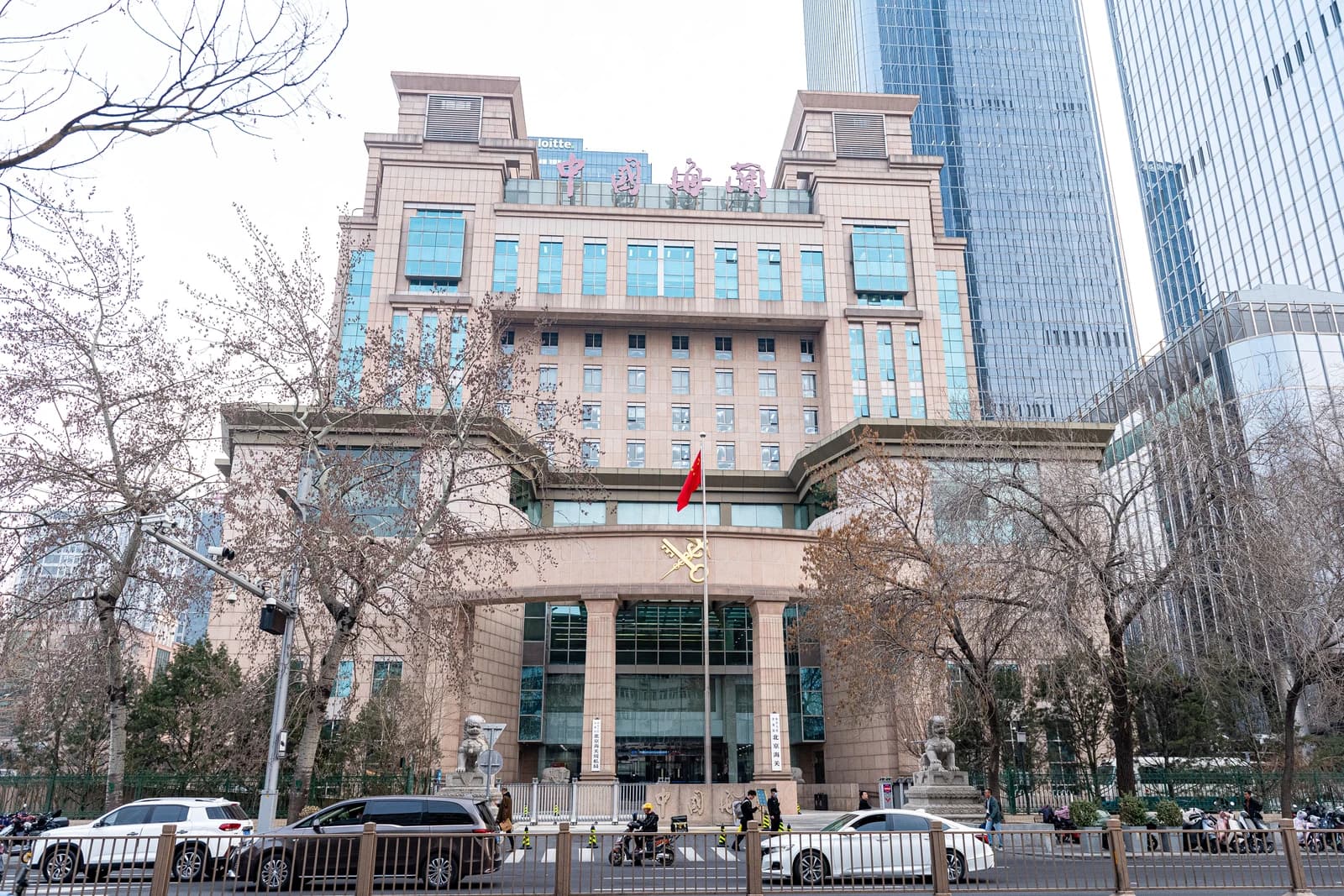
China has moved to tighten requirements for companies seeking licenses to export cars and motorcycles, a step that could close a workaround used to ship re-labeled vehicles into markets such as Russia while leaving Kazakhstan’s official import channels largely unchanged.
China tightens auto export licensing rules
The Ministry of Commerce now requires would-be exporters to prove they have overseas service networks, not just promise one. Applicants must submit documents showing partnerships with service centers, evidence of licensing bases and proof of actual repair capacity, and first-tier manufacturers must provide information on at least 50 service points.
The rules go further for firms that modify vehicles for export. They must show last year’s export volume, production capacity, chassis and special-equipment purchases and a list of models they plan to ship abroad. Modified vehicles must also comply with Chinese law, with extra confirmation needed from the original automaker for specialist categories such as patrol, training or tool vehicles.
For investors, the change matters because it targets a channel that allowed brands not formally selling into sanctioned or restricted markets to reach buyers indirectly. The new licensing burden, including access to additional documents available only to official representatives of modification plants, makes that route much harder to use, according to Kazakhstan-based export expert Dinmukhammed Suleymenov.
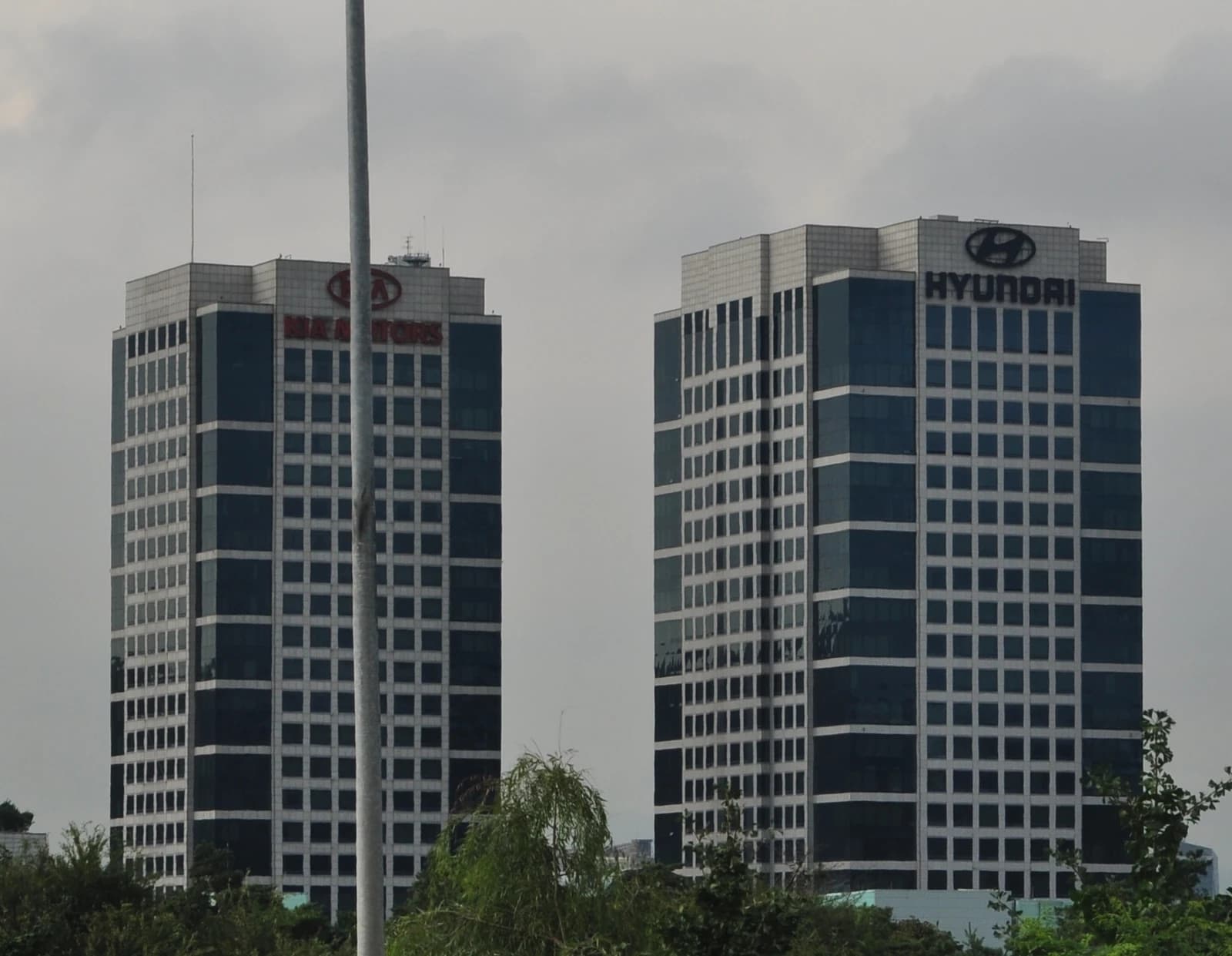
Suleymenov said the move is aimed primarily at schemes used to export modified vehicles popular in Russia, where brands including Audi, Toyota, Honda, Hyundai, Kia, Mazda, BMW, Mercedes, Volkswagen and others could be bought in China and converted into special-purpose vehicles before export. He said the practice became more relevant in 2026 as sanctions and manufacturer restrictions limited direct shipments to Russia.
The timing also reinforces Beijing’s broader effort to exert more control over outbound vehicle trade after earlier moves to tighten standards in the auto sector, including safety rules for electric vehicles. A new online application system will open on Sept. 30, 2026, meaning the tougher regime is not immediate but gives exporters a long runway to adjust.
Kazakhstan appears less exposed, at least in the near term. Suleymenov said the Chinese cars Kazakh buyers actually want are usually sold through official manufacturer-approved exporters or dealers that buy directly from the factory and ship abroad with the automaker’s consent. In that channel, he said, the new rules should not create major problems.
The market implication is a cleaner split between formal export routes and gray channels. That may reduce opportunistic shipments and help Chinese brands better control after-sales service abroad, while also narrowing the supply options for buyers in Russia and other restricted markets.
For automakers and traders, the next test is how strictly Beijing enforces the service-network requirements once applications begin under the new system and whether exporters can adapt by expanding official dealer and repair footprints overseas.
| Entity | Gains | Losses |
|---|---|---|
| China’s regulators | ▲More control over exports | ▼Less gray-market activity |
| Official Chinese exporters | ▲Clearer rules | ▼More compliance costs |
| Russian gray-market importers | ▲— | ▼Harder access to vehicles |
| Kazakhstan official dealers | ▲Largely insulated | ▼Limited upside from direct disruption |