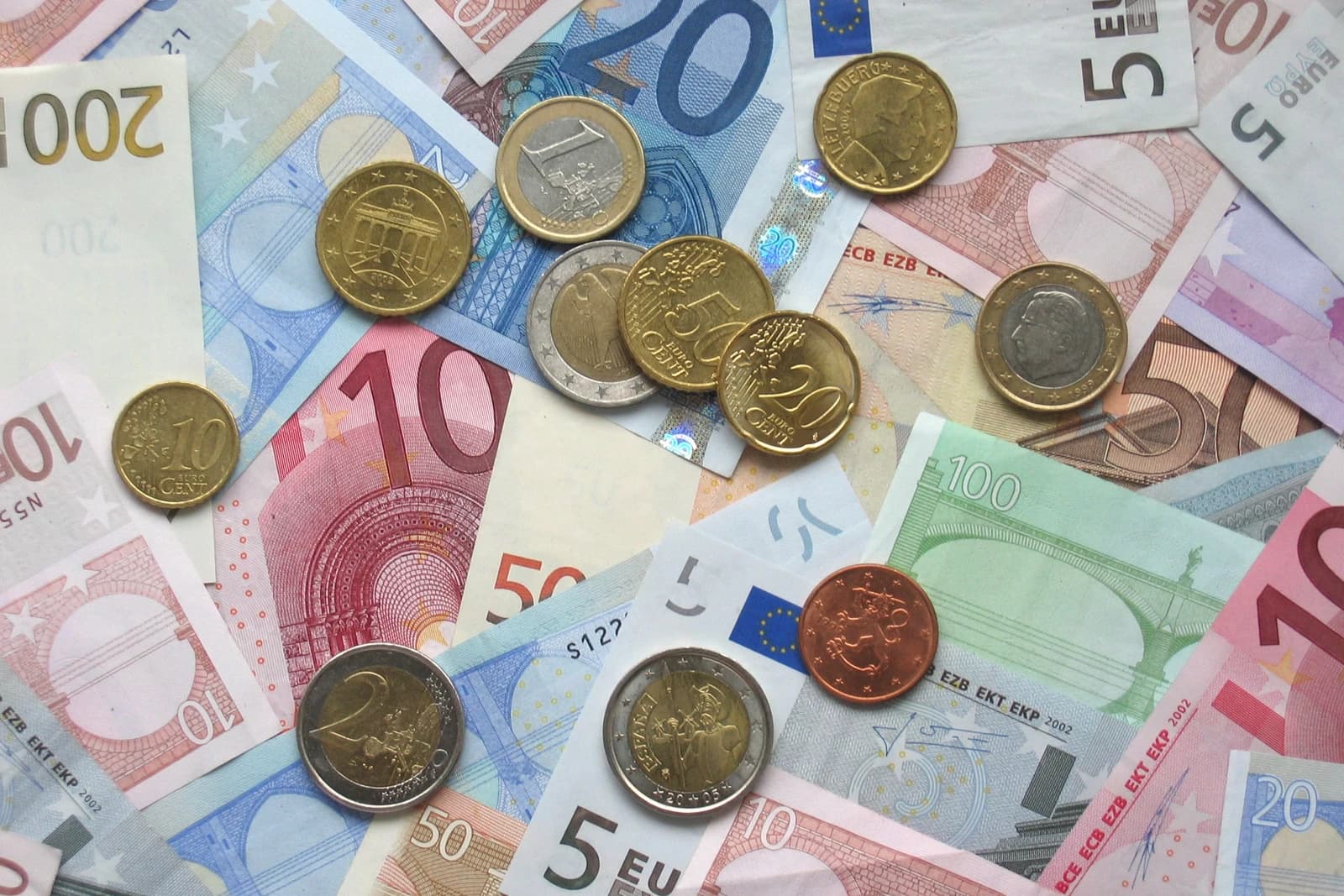
The European Union is moving to add a 2-euro handling fee on each small package entering the bloc from outside the EU, a step that would raise the cost of ultra-cheap cross-border e-commerce and hit China-linked sellers and platforms first.
EU plans 2-euro fee on small imports

The proposal comes on top of a temporary 3-euro customs charge on low-value parcels under 150 euros, which is scheduled to take effect from July 1, 2026. Together, the measures show Brussels is no longer treating the flood of small packages as a paperwork nuisance, but as a structural customs problem that needs pricing, enforcement and data infrastructure.
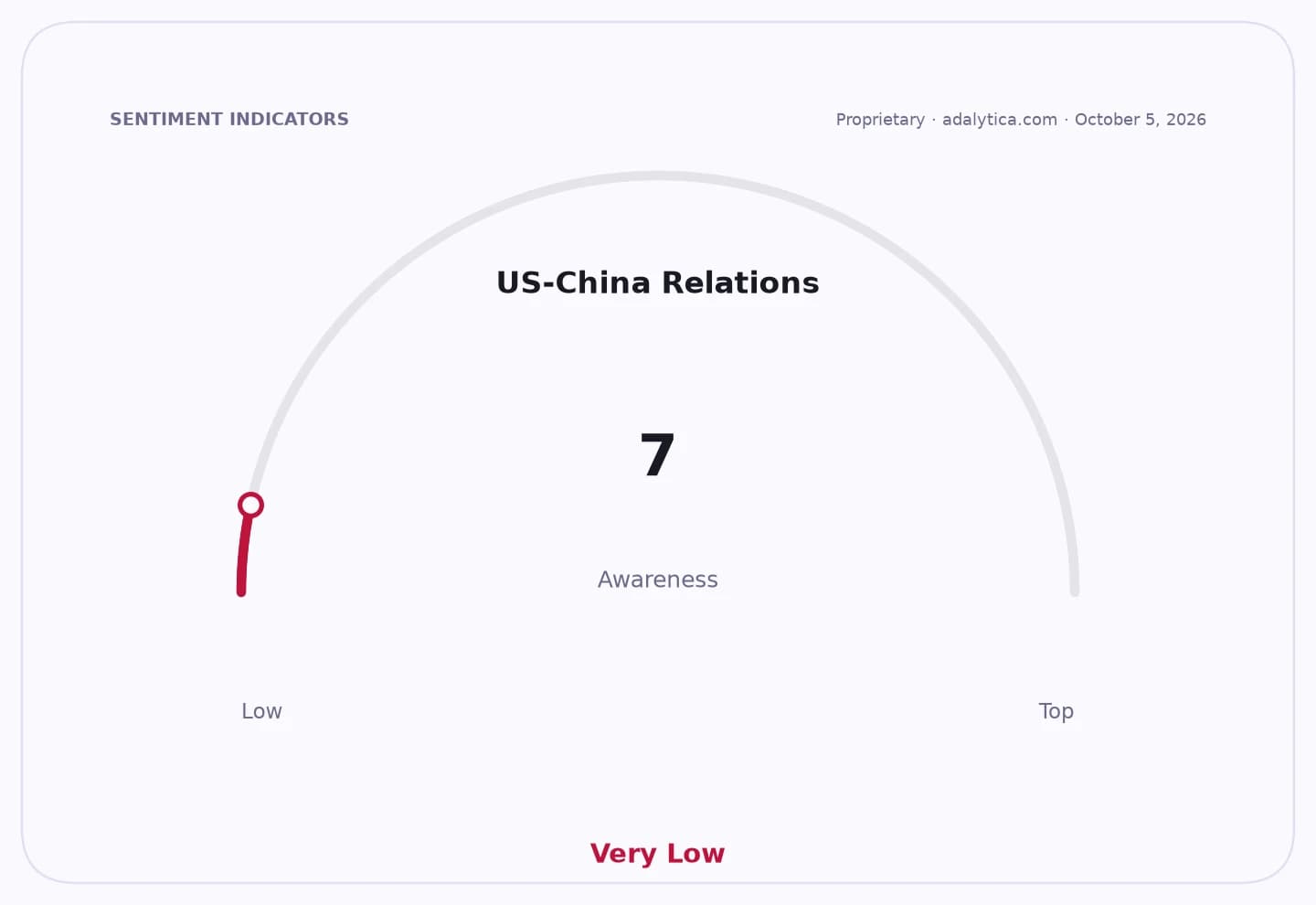
Sentiment IndicatorsⓘProprietary · adalytica.com · October 7, 2026
This is a snapshot — live sentiment, awareness and momentum for 130+ markets update continuously in the dashboard.Open AlphaPulse

For investors, the significance is twofold. First, the EU is directly attacking the economics of direct-to-consumer import models that have powered the rise of Chinese marketplaces and merchants selling into Europe. Second, it is broadening the compliance burden on e-commerce platforms outside the bloc, shifting responsibility away from end consumers and toward the sellers and intermediaries that have benefited from fragmented enforcement.
That matters because even small per-parcel charges can have outsized effects in a business built on very low average order values and thin margins. For platforms such as PDD Holdings and Alibaba, any extra friction on low-ticket exports into Europe risks compressing conversion rates, forcing higher prices or subsidized shipping, and weakening the volume advantage that made those channels competitive in the first place.
The policy also carries wider implications for European retailers and customs authorities. Brussels is trying to close loopholes that allowed millions of sub-150-euro shipments to move with limited scrutiny, while creating a single EU customs data center in Lille to centralize declarations and monitoring. That suggests the bloc is preparing for a more industrialized customs regime, with better visibility on imports and stronger leverage over overseas marketplaces.
The shift lands at a sensitive time in US-China and Europe-China trade relations, where tariff policy and parcel controls have become part of a broader effort to rebalance competition against Chinese e-commerce. It also fits a pattern of regulators moving to recapture tax revenue and enforcement from digital platforms that have scaled faster than customs systems designed for bulk trade, not billions of small parcels.
Markets have already been pricing in some of that pressure. Shares of Alibaba, PDD Holdings and JD.com have been under strain in recent sessions, with Alibaba closing at $106.99 on Oct. 7, well below its 50-day and 200-day moving averages, while PDD traded at $78.53 and JD at $27.00. Technical readings on all three point to caution rather than momentum, reflecting the market’s sensitivity to policy headwinds around Chinese consumer-facing internet names.
The broader message is that low-value parcel trade into Europe is getting more expensive, more regulated and more visible. For consumers, the impact may be modest on a single order. For the business model built on scale, speed and regulatory arbitrage, the cumulative effect could be material — especially if other jurisdictions follow the EU’s lead.
| Entity | Gains | Losses |
|---|---|---|
| EU retailers | ▲Fairer competition | ▼Cross-border parcel sellers |
| EU customs authorities | ▲Better enforcement | ▼Low-value import volumes |
| Chinese e-commerce platforms | ▲Limited benefit from scale | ▼Higher compliance and shipping costs |
| European consumers | ▲Stronger product oversight | ▼Cheaper ultra-low-cost imports |