The euro is edging toward 59 Egyptian pounds on Saturday, underscoring how fragile the currency market remains for importers, households and businesses that rely on foreign currency.
Euro Nears 59 Pounds in Egyptian FX Market
Latest bank quotes put the euro at about 58.81 pounds for purchase and 58.98 pounds for sale, just shy of the 59-pound threshold that is likely to heighten attention from Egyptians watching the cost of foreign travel, goods and debt payments. The dollar was quoted around 51.75 pounds for purchase and 51.85 pounds for sale, while sterling fetched about 68.40 pounds to buy and 68.61 pounds to sell.
Sentiment IndicatorsⓘProprietary · adalytica.com · October 2, 2026
This is a snapshot — live sentiment, awareness and momentum for 130+ markets update continuously in the dashboard.Open AlphaPulse

That matters because the pound’s weakness feeds straight into inflation pressures through imported food, fuel, machinery and consumer goods. The wider basket of rates shows the same strain: the Swiss franc was around 62.49 pounds, the Chinese yuan 7.70 pounds, and Gulf currencies remained expensive for travelers and companies settling regional obligations.
For investors, the key issue is not the euro alone but what a steeper local currency slide means for earnings, margins and policy. Import-heavy businesses face higher input costs, while firms with dollar-linked revenues or pricing power are better insulated. In FX terms, the market is still treating hard currency as scarce, with the dollar trading well above 51 pounds across banks and a noticeable spread between buy and sell quotes that reflects persistent demand.
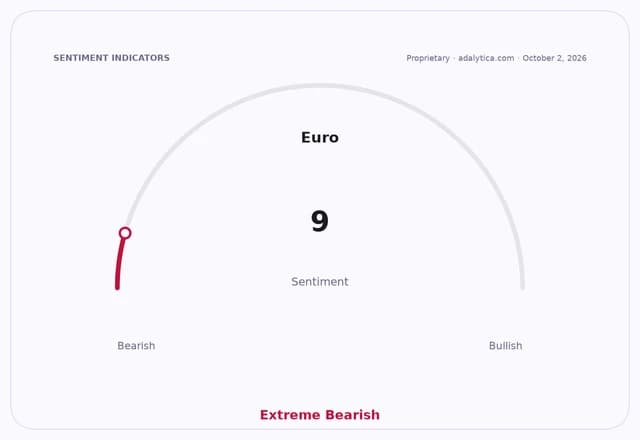
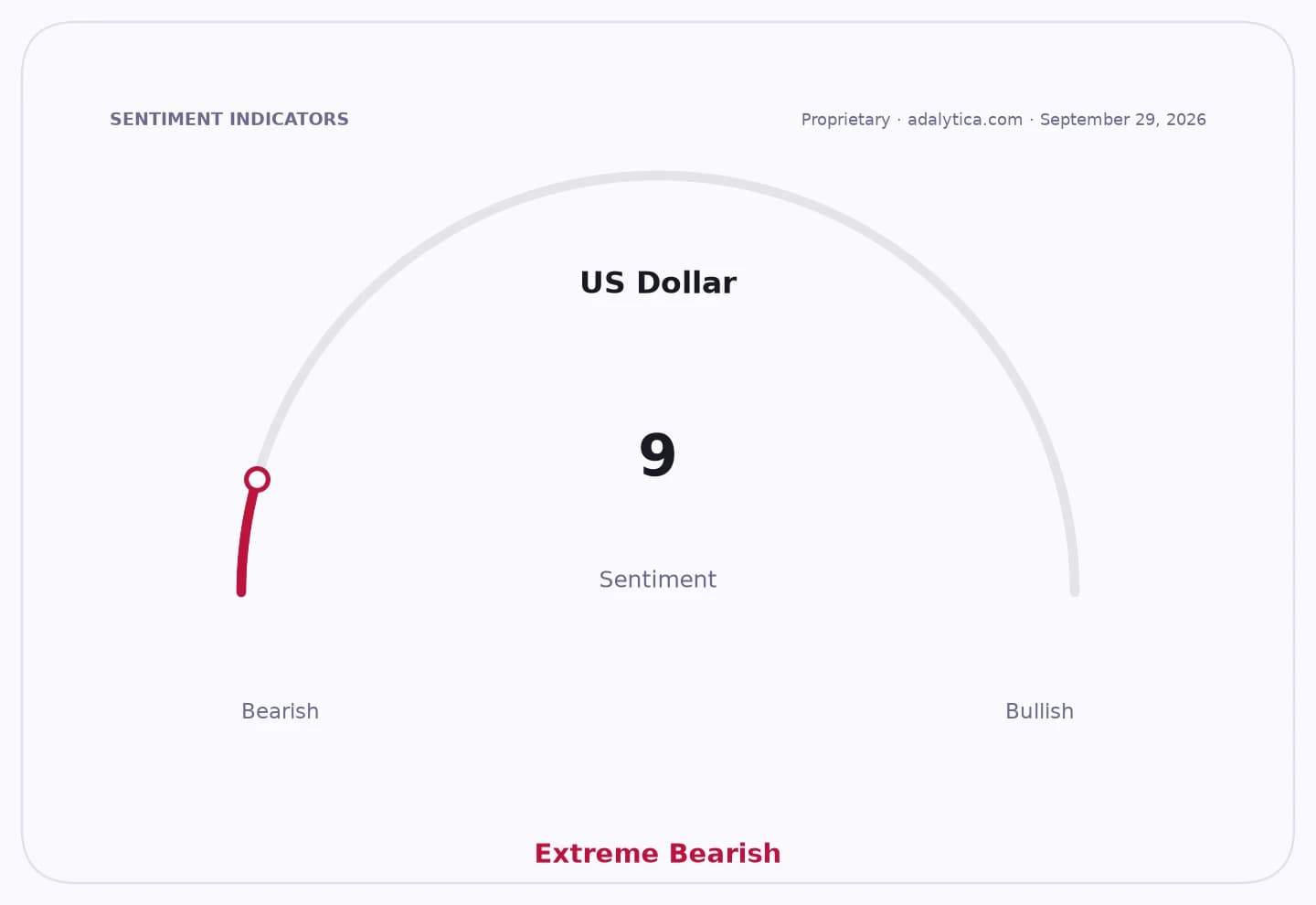
Adalytica’s euro trade signals show extreme fear, while its U.S. dollar trade signals also point to extreme fear, suggesting the market is deeply cautious rather than comfortably balanced. Standard technical indicators on the euro-dollar pair also show the euro under pressure versus its 50-day and 200-day moving averages, reinforcing the view that recent weakness has not yet been fully reversed.
The investment takeaway is straightforward: the market underestimates how quickly foreign exchange stress can reshape cash flows, inflation and valuations. Until dollar and euro liquidity improve, winners will be exporters, dollar earners and hard-currency hedges; losers will be importers, retailers and any business forced to absorb a weaker pound.
| Entity | Gains | Losses |
|---|---|---|
| Exporters with hard-currency revenue | ▲Stronger local-currency receipts | ▼— |
| Importers and retailers | ▲— | ▼Higher input costs |
| Dollar-earning businesses | ▲FX translation tailwind | ▼— |
| Egyptian pound consumers | ▲— | ▼Costlier imports and travel |