Europe’s move to build a digital euro and a continent-wide payments system is shaping up as the clearest challenge yet to Visa and Mastercard’s grip on one of their most profitable markets, even if the overhaul will take years and faces political resistance from Brussels to Washington.
Europe Digital Euro Could Challenge Visa and Mastercard

The economic stakes are large because card networks still sit at the center of consumer spending across Europe, collecting fees on transactions that a domestically controlled rail could eventually redirect. For policymakers, the digital euro is not just a payments project but a bid to cut reliance on U.S.-based infrastructure and give the euro zone more control over money movement in a fragmented market.
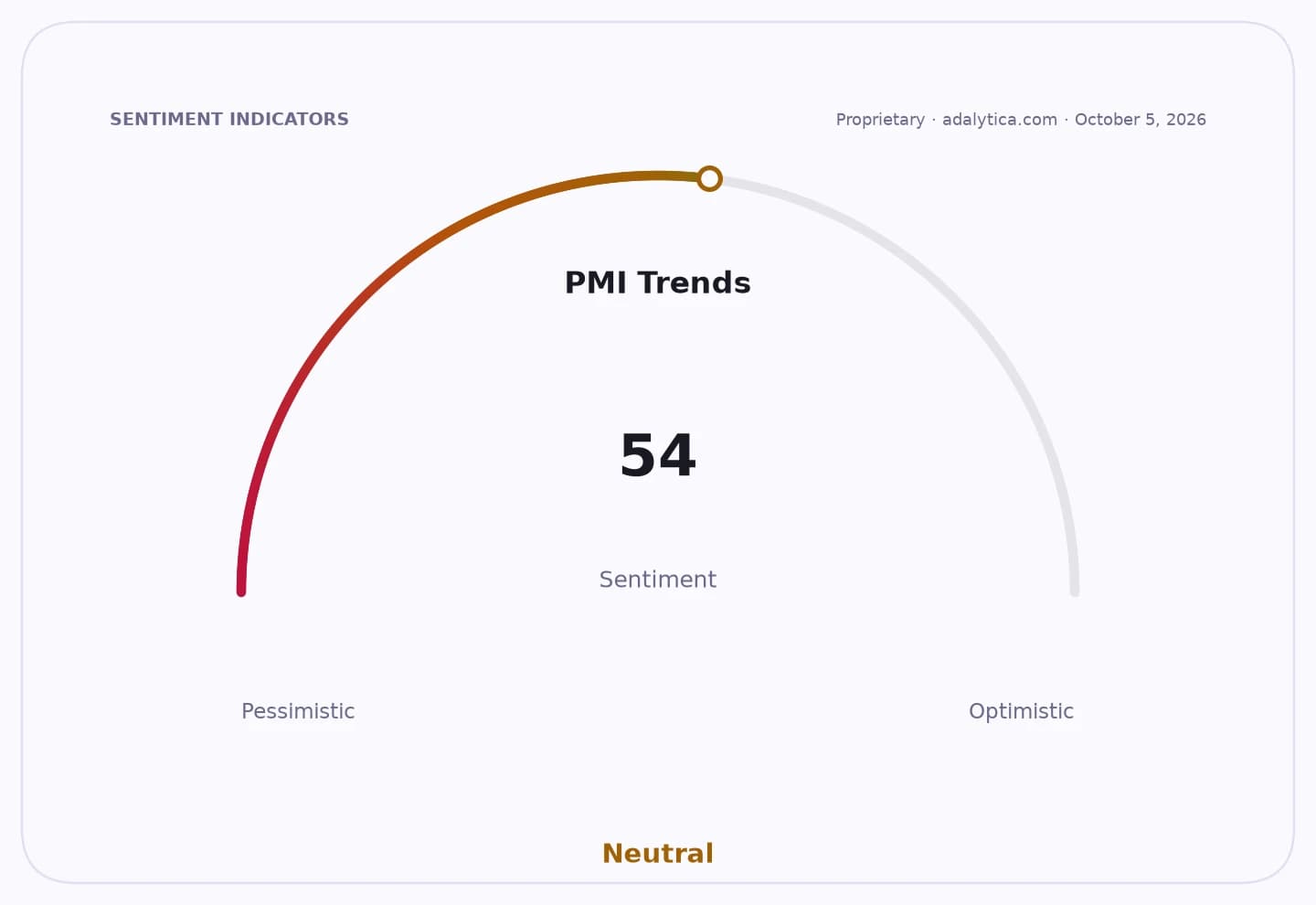
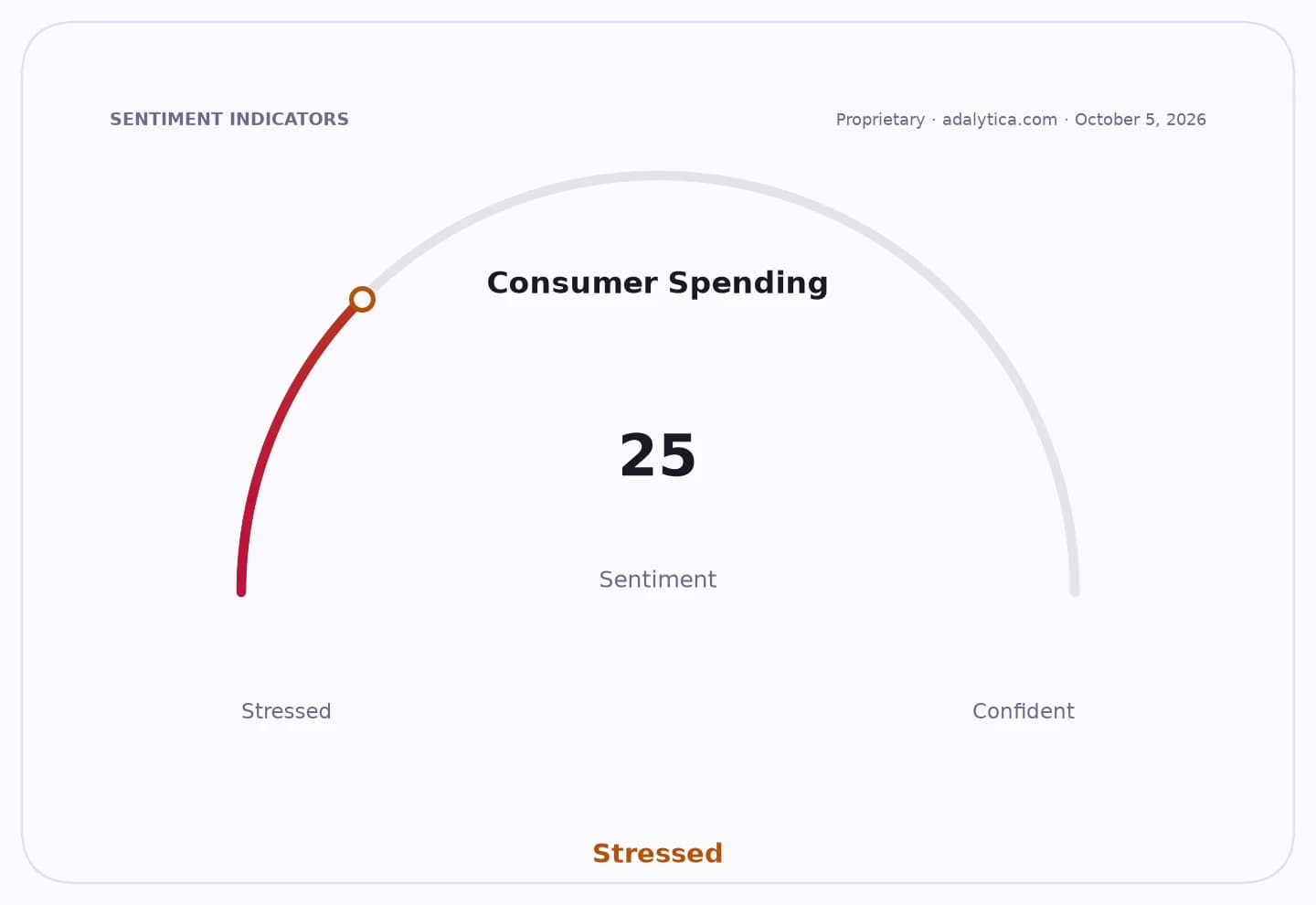
Sentiment IndicatorsⓘProprietary · adalytica.com · October 4, 2026
This is a snapshot — live sentiment, awareness and momentum for 130+ markets update continuously in the dashboard.Open AlphaPulse
European payment groups now say they are jointly building a cross-border platform designed to serve 130 million people, a sign that the region is trying to turn policy ambition into operating infrastructure. The effort runs alongside work on SEPA integration and euro-linked stablecoin initiatives, all aimed at making payments cheaper, faster and less dependent on foreign networks.
That makes the issue material for investors in Visa, Mastercard and PayPal, whose European volumes and cross-border flows are a key part of the earnings story. Mastercard’s latest filing said payment-network revenue rose 10% in the July quarter, while Visa’s growth has similarly leaned on resilient spending and international processing; any shift toward native European rails would pressure long-term fee growth, even if adoption is gradual.
The timing also matters because Europe is trying to harden financial sovereignty at the same moment global trade and politics are getting more volatile. The U.S. has shown it is willing to use leverage over energy and export policy, underscoring why EU leaders want payment rails they control in a crisis.
For now, the digital euro remains more of a strategic roadmap than an immediate earnings threat to the card majors. But as Europe pushes to unify fragmented domestic systems into a single payments layer, investors will be watching for signs that policy support turns into merchant adoption, regulatory deadlines and, eventually, lost transaction share for U.S. networks.
| Entity | Gains | Losses |
|---|---|---|
| European payment groups | ▲More domestic control | ▼Reliance on U.S. rails |
| Visa | ▲Status quo fees, scale | ▼Long-term market share risk |
| Mastercard | ▲Cross-border volume, pricing power | ▼Long-term fee compression |
| EU consumers and merchants | ▲Potential lower costs | ▼Transition and adoption friction |