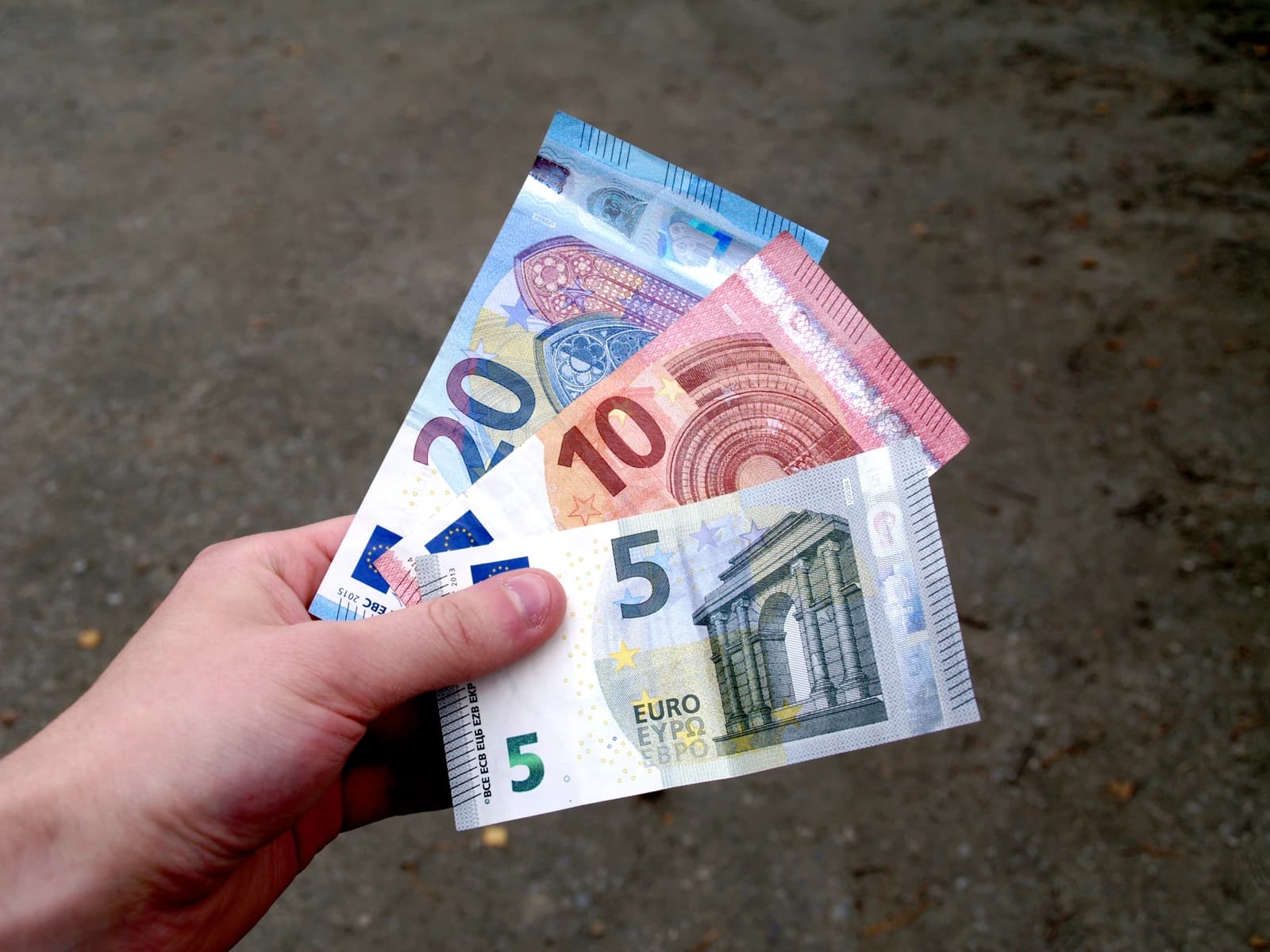
The European Central Bank is preparing to put new euro banknotes into circulation from the beginning of the 2030s, a long-run redesign that matters less for the timing than for what it says about the bloc’s efforts to modernize its currency, harden it against counterfeiting and reinforce the euro’s identity.
ECB Plans New Euro Banknotes for 2030s

The ECB said the final design decision should come by year-end, after nearly 10 million people took part in an online consultation on themes for the next series of notes. For investors, the economic significance is modest in the immediate sense — this is not a policy-rate move or a shift in liquidity — but the redesign still touches core issues for a currency area that spans 21 countries and about 358 million people: trust in cash, the durability of payment infrastructure and the resilience of the euro as a public good.
Sentiment IndicatorsⓘProprietary · adalytica.com · September 28, 2026
This is a snapshot — live sentiment, awareness and momentum for 130+ markets update continuously in the dashboard.Open AlphaPulse
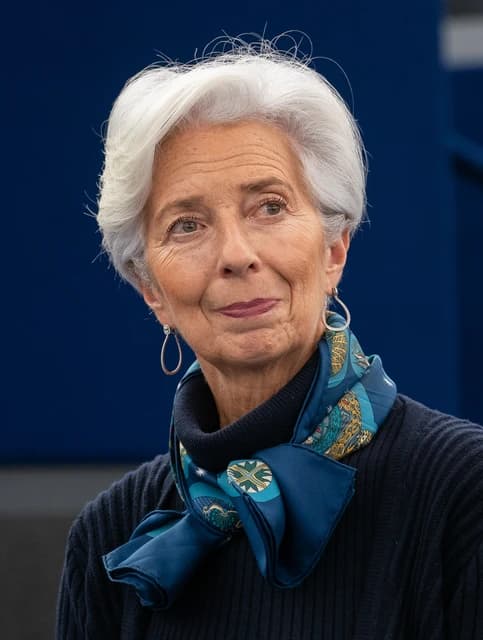
The central bank has narrowed the process to two themes. One, “European culture,” would feature figures such as Ludwig van Beethoven, Marie Curie and Leonardo da Vinci. The other, “Rivers and birds,” is meant to emphasize the diversity and resilience of Europe’s natural ecosystems. ECB President Christine Lagarde framed the public participation as a meaningful step in preparing the next banknote series, underscoring that the notes are intended to reflect both shared European heritage and practical design priorities.
Those practical priorities are important for the monetary authority. The ECB said the new notes will include additional security features to make counterfeiting harder, while also aiming to extend their lifespan and improve recognition for people with visual impairments. That combination matters economically because banknotes remain the most visible piece of the euro’s state-backed infrastructure: if cash is harder to counterfeit, cheaper to maintain and easier to use, the currency’s credibility and operating efficiency improve at the margin.
The design process also carries a political and symbolic dimension. Cash remains one of the few physical representations of European integration, and the choice between cultural icons and nature-themed imagery is a way for the ECB to shape how the euro is perceived across a bloc where monetary unity often runs ahead of political unity. A banknote refresh is unlikely to move markets on its own, but it does speak to continuity at a time when Europe is trying to defend monetary sovereignty amid geopolitical fragmentation, digital payment competition and persistent questions over the euro’s long-term role alongside the dollar.
For investors, the main takeaway is that the ECB is signaling institutional stability rather than urgency. New notes will not reach wallets for years, and the project is unlikely to affect near-term growth, inflation or bond yields. But the process reinforces the ECB’s broader message that the euro is being maintained, renewed and made more resilient — a useful backdrop for markets that continue to price European assets against a mix of low growth, uneven fiscal policy and a still-fragile inflation outlook.
The next catalyst is the ECB Governing Council’s final design decision later this year. After that, the market impact should remain limited, but the rollout will be worth watching for what it says about the bloc’s ability to modernize a basic part of its financial architecture without undermining confidence in the cash itself.
| Entity | Gains | Losses |
|---|---|---|
| ECB | ▲Stronger currency branding | ▼Higher redesign costs |
| Euro users | ▲Better security and usability | ▼Need to adapt to new notes |
| Counterfeiters | ▲— | ▼Harder forgery environment |
| Cash handlers | ▲Longer-lasting banknotes | ▼Transition and replacement burden |