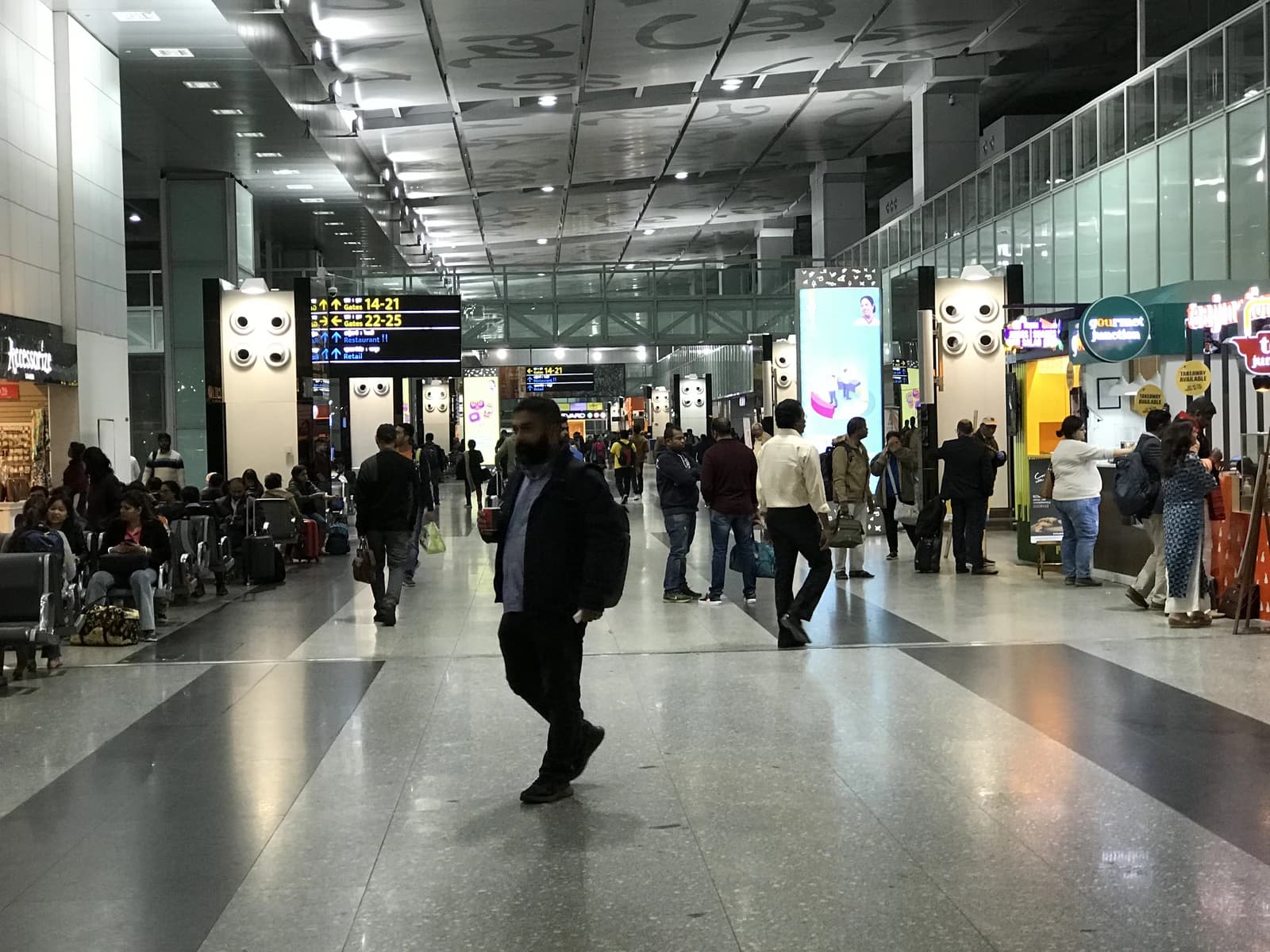
Digital payments are moving from a convenience feature to the default way many consumers expect to pay, but bank cards are more likely to evolve than disappear.
Visa, CIB Bank on tokenized payments and AI checkout
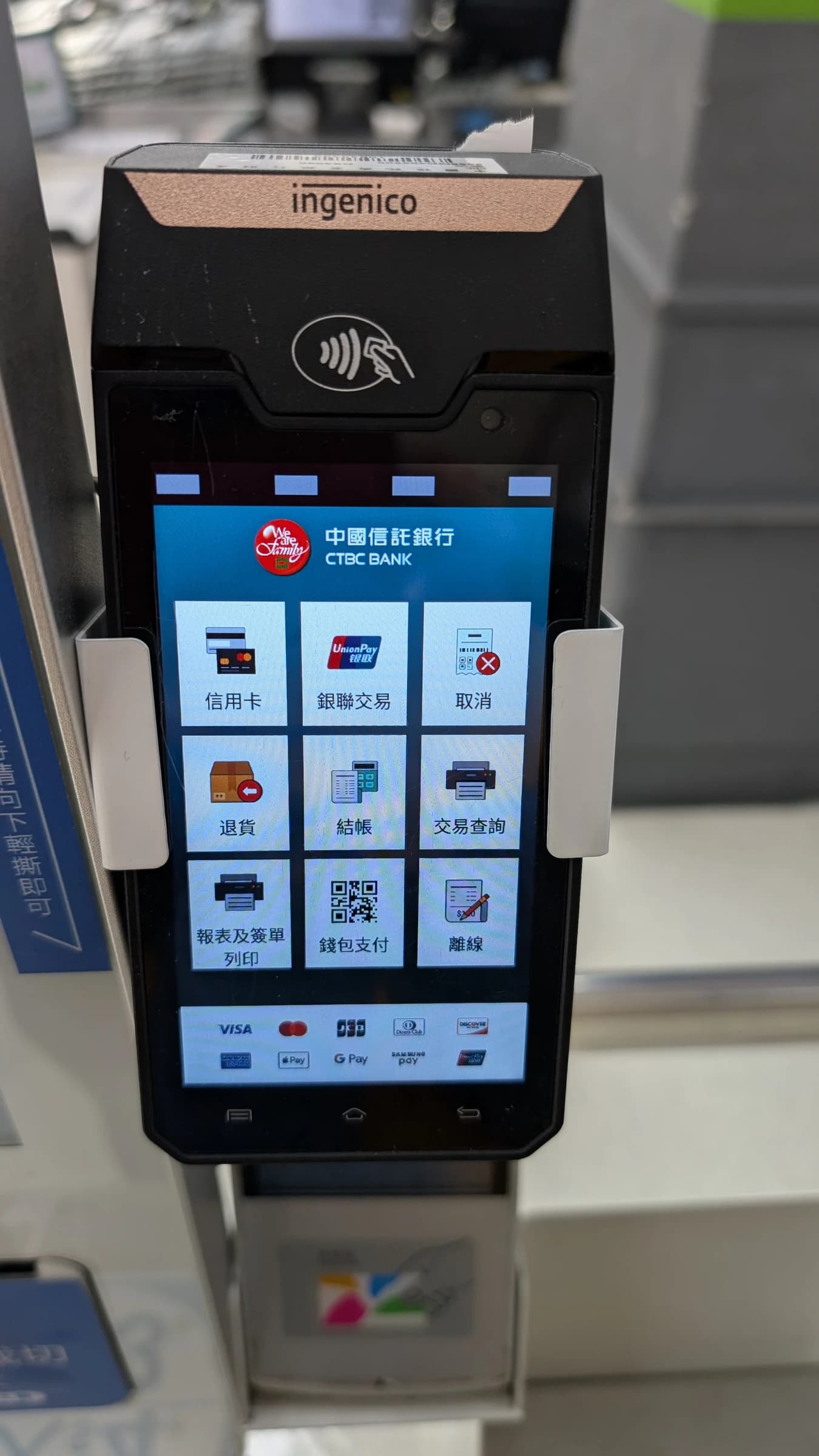
That is the core message from CIB Bank and Visa, which say wearables, mobile wallets and, increasingly, AI-assisted purchasing are changing the role of the physical card from the primary payment instrument into one option among several. For banks and payment networks, the shift matters because the valuable part of the transaction is no longer the plastic card itself but the tokenized payment credential and the network rails behind it.
Sentiment IndicatorsⓘProprietary · adalytica.com · October 4, 2026
This is a snapshot — live sentiment, awareness and momentum for 130+ markets update continuously in the dashboard.Open AlphaPulse
The case is clearest among younger users, where Visa and CIB Bank said awareness of wearable payment devices such as smartwatches and payment rings is near-universal, with strong willingness to use them. In practice, these devices work like a card stored in a mobile wallet: the real card data are replaced by a token, reducing exposure of account details at the merchant terminal and allowing contactless payment even without a phone or internet connection. That combination of convenience and security is why payment rings and watches are gaining traction for use cases such as travel, sport, festivals and everyday shopping.
The broader economic significance is that digital and wearable payments help push more commerce onto secure, low-friction rails, supporting transaction volumes and deepening customer lock-in for banks and networks. That is positive for Visa, whose franchise depends on keeping payment activity within its network, and for issuers such as CIB, which can monetize card relationships even as the form factor changes. It is also a competitive warning for firms tied to legacy card usage: as the user interface changes, the winners will be the companies that control identity, authentication and authorization, not just the piece of plastic.
Visa’s own market position reflects that transition. The stock has rebounded sharply from spring lows and, despite recent softness, still trades well above its 200-day moving average, underscoring investor confidence in the network’s resilience. Mastercard has followed a similar pattern, while PayPal has been far more volatile, a reminder that investors are rewarding businesses with direct exposure to card-network economics and punishing those still fighting for relevance in consumer payments. Standard technical indicators such as the relative strength index and MACD on those stocks also show the sector has moved through stretched and corrective phases as the market weighs secular growth against valuation.
The biggest change ahead may not be another device but AI. CIB Bank and Visa argue that future payment flows could increasingly be initiated by AI assistants or “agentic” systems that book flights, hotels or other purchases within preset limits and rules. That creates a new requirement for payment systems: they must be fast and convenient, but also reliably identifiable and secure enough to let an algorithm act on a consumer’s behalf. If that model scales, the payment network becomes even more embedded in daily life, but the customer relationship becomes less visible.
Still, physical cards are not disappearing in the near term. CIB Bank said there are still situations and customer groups where a plastic card remains important, and that the likely outcome is coexistence rather than replacement. For investors, that means the opportunity is less about betting on the death of cards and more about identifying which players can convert the shift to cardless, tokenized and AI-enabled payments into higher transaction volumes, stronger retention and lower fraud risk.
| Entity | Gains | Losses |
|---|---|---|
| Visa | ▲More tokenized transactions | ▼Plastic-card dependence |
| CIB Bank | ▲Deeper customer engagement | ▼Legacy-only payment usage |
| Consumers using wearables | ▲Faster checkout, convenience | ▼Reliance on physical wallets |
| Card-centric rivals | ▲— | ▼Share in cardless payments |